
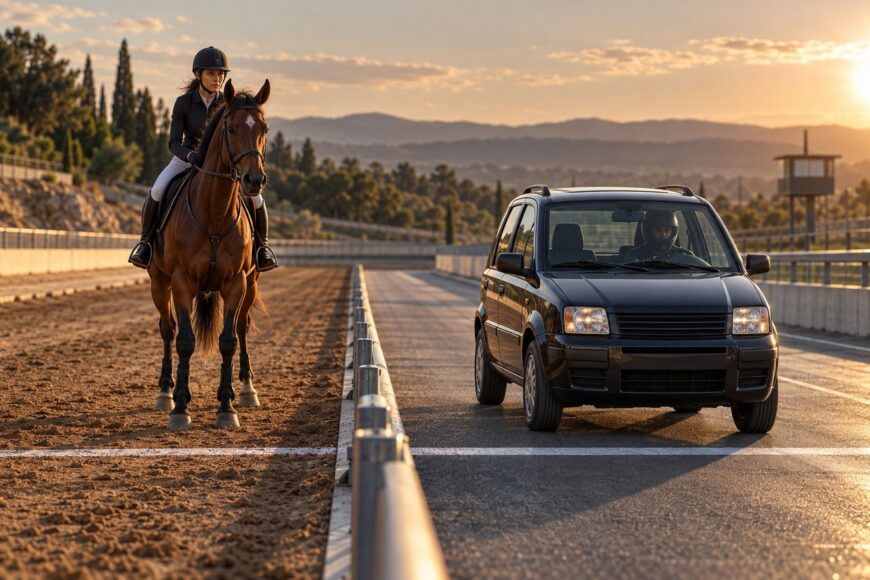
A galloping horse and a modest Fiat Panda seem mismatched from the start: one is a powerful animal built for explosive movement, while the other, in 1.0 Mild Hybrid form, is a small city car with a stated 70 hp. The likely winner changes, however, once you define the distance, surface, and exact Panda version.
Over the first 10–20 metres, a well-prepared horse may get ahead on suitable ground. On dry, level asphalt over a longer run, a functioning Panda is the more plausible winner because its tires, gearing, and drivetrain can sustain acceleration. That is a conditional judgment, not a recorded head-to-head result.
No controlled, like-for-like horse-versus-Panda race measurements are provided. Any firm conclusion must identify the horse’s condition, the Panda variant, the distance, and the surface before treating the outcome as more than an informed comparison.
- So Who Wins Off the Line?
- Why a 0–62 mph Time Cannot Decide the Launch
- Grip, Ground, and the First Few Strides
- Why a Slow-Feeling Panda May Still Launch Well
- A Fair Comparison Is Not a Roadside Race
- Frequently asked questions
- What should I check before trusting a horse-versus-Panda race video?
- What are some common problems with a Fiat Panda 4×4?
- What car is similar to Fiat Panda?
- Which is better, Fiat 500 or Panda?
- Which is a better car, the Fiat Grande Panda or the Renault 5?
So Who Wins Off the Line?
For a very short launch, the horse has a credible advantage if the ground gives its hooves a secure purchase and the animal is fit, calm, and properly prepared. Its first strides are an explosive biological effort, so the first few metres do not resemble a car’s standard acceleration test.
The answer becomes more favorable to the Panda as the run gets longer on dry, level asphalt. A functioning car can apply torque through its driven tires, maintain a consistent line, and continue accelerating after the horse’s initial burst. This makes the Panda the more plausible winner over a longer run, although no controlled comparison confirms that result.
Surface can reverse the expected order. Suitable firm ground may allow the horse to launch cleanly, while wet grass or loose earth can reduce hoof grip; the car may also struggle if its tires are poor or the surface is slippery. Declaring a winner without specifying those conditions turns a technical comparison into guesswork.
The Panda itself is not one fixed performance package. Different engines, generations, transmissions, and loads produce different results, so a Panda 100 HP should not be treated as representative of every Panda. The sensible conclusion is conditional: a horse leading over a short distance on suitable ground is plausible, while a Panda winning over a longer run on dry asphalt is more likely.
Why a 0–62 mph Time Cannot Decide the Launch
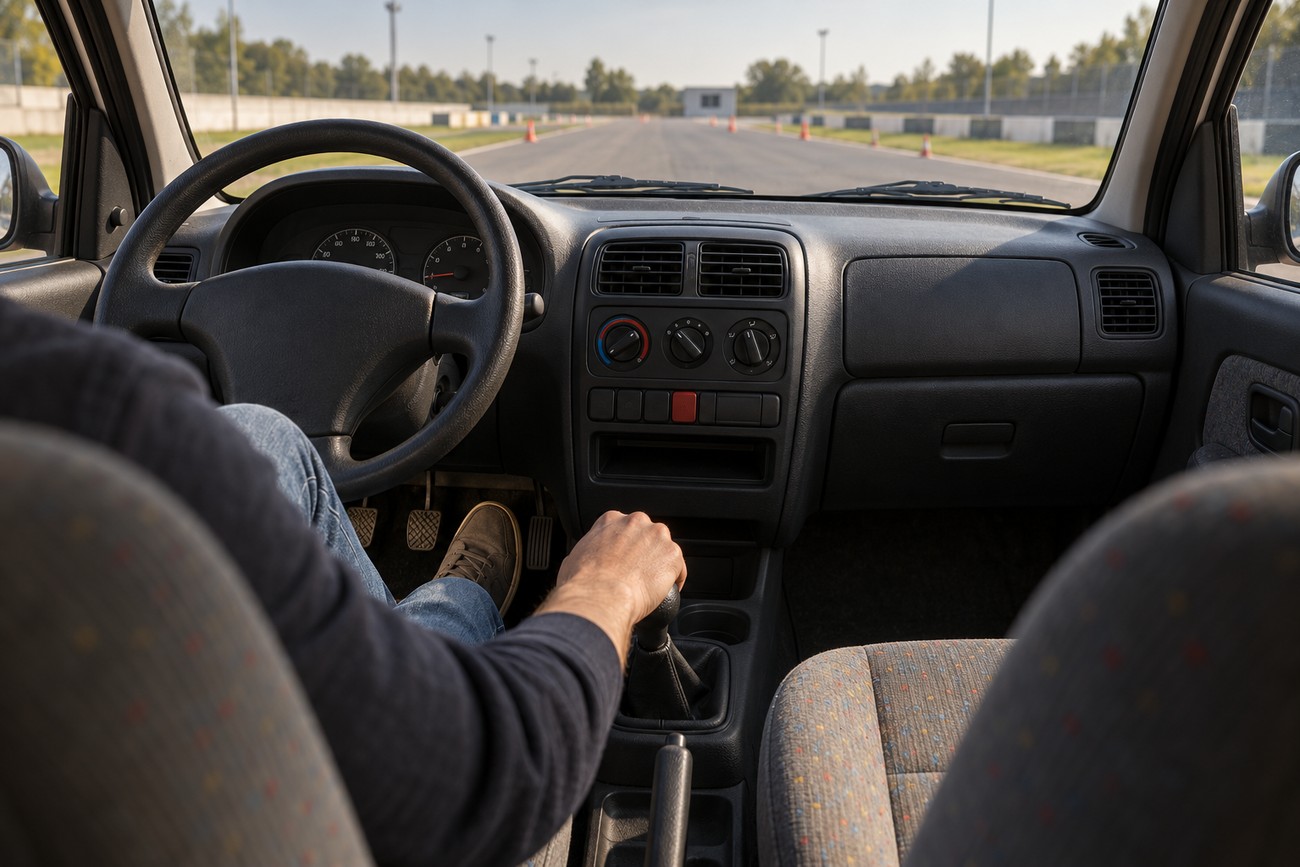
The Fiat Panda 1.0 Mild Hybrid has a stated output of 70 hp. Its official 0–62 mph time is 13.9 seconds for the Cross and 14.7 seconds for the Italia. Those figures describe the complete acceleration run to 62 mph, not the first 10–20 metres.
A standing launch depends on more than peak engine output. Gear selection, clutch engagement, tire grip, vehicle load, and the driver’s procedure determine how much force reaches the road when the car starts moving. The engine’s stated power is therefore not constant power delivered at the wheels throughout the launch.
The Panda 100 HP belongs in a separate category. It is a distinct, quicker version quoted at approximately 9.5 seconds for 0–100 km/h, and that figure should not be attributed to every Panda. Conversely, the 1.0 Mild Hybrid’s official times should not be used as if they measured a short sprint.
The phrase “one horsepower” also causes confusion. Horsepower is a unit of power, not a fixed measure of what a horse produces; an animal’s output varies with effort, speed, movement, fitness, and duration. Comparing a peak engine rating directly with a biological athlete’s short burst leaves out the mechanisms that create acceleration.
Grip, Ground, and the First Few Strides
A horse accelerates by pushing against the ground through its hooves. The quality of that footing, the horse’s fitness, and hoof condition all affect how effectively it can turn muscular effort into forward motion. A calm, fit animal on suitable ground is a different competitor from a tired horse on an uncertain surface.
The Panda’s launch depends on gearing, tires, and surface as well. Its quoted engine output does not describe the complete traction event. A suitable gear can multiply torque at the driven wheels, while worn tires, excess load, or a gradient can reduce acceleration.
Dry, level asphalt generally gives the car a predictable surface for maintaining traction. Wet grass, mud, or loose earth can change the balance, although neither competitor has an automatic advantage on every imperfect surface. The horse may lose hoof purchase, while the Panda may struggle for tire grip or suffer from wheelspin.
No matched surface tests are provided, so the outcome remains conditional. A short burst on suitable ground may favor the horse; a longer run on dry asphalt more plausibly favors the Panda. Temperature, wind, gradient, and starting procedure would also matter in any serious comparison.
Why a Slow-Feeling Panda May Still Launch Well
Some owners describe certain Pandas as sluggish, especially outside a useful rev range, on steep climbs, or under load. That complaint helps explain the driving experience, but it does not establish who leads during the first few metres from rest.
Owners also describe a short first gear and a third gear that can feel too long for brisk acceleration. A short first gear can help the initial launch before an early shift, while an unhelpful higher gear may make the car feel flat when the driver asks for acceleration. The sensation from the cabin is therefore shaped by gearing as well as by the engine’s stated 70 hp output.
Hills and a full load expose limited power because the engine must accelerate more mass and, on a climb, work against gravity. That is why a Panda can feel reluctant in one situation yet maintain useful speed once moving on level ground. A single owner’s motorway account, including an unusually high-speed claim, should not be treated as a universal performance measurement.
The Panda 100 HP remains a separate comparison. Its approximately 9.5-second 0–100 km/h figure belongs to that quicker version, not to every Panda wearing the same model name. Identifying the engine and generation is essential before using any acceleration claim.
A Fair Comparison Is Not a Roadside Race
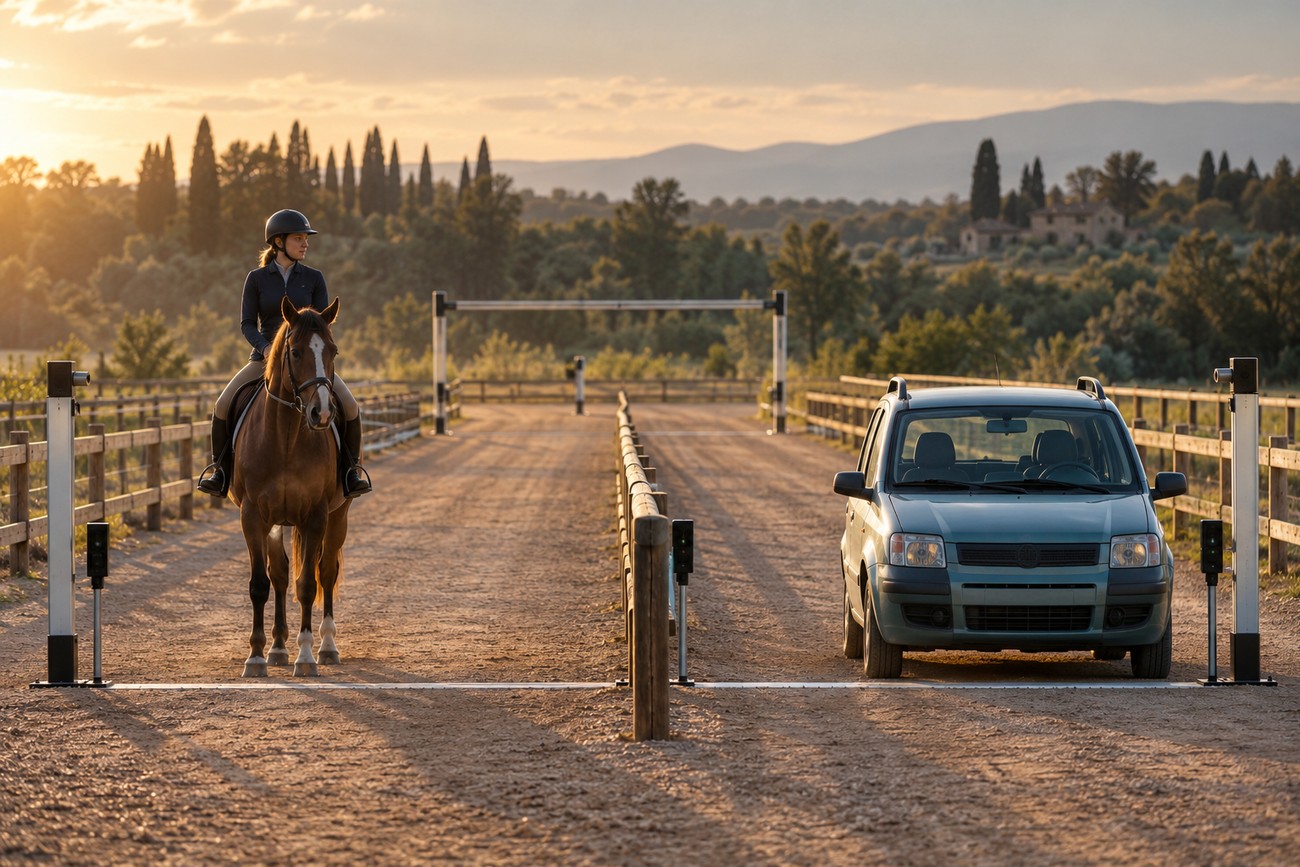
A meaningful comparison would hold the main variables constant: the horse’s condition, the exact Panda variant, the distance, the surface, the gradient, and the starting procedure. It would also need a clear timing method and an uninterrupted run. Without those controls, a result may reflect a better start or a more favorable patch of ground rather than a genuine performance difference.
The official Panda figures illustrate the problem. The 1.0 Mild Hybrid Cross is listed at 13.9 seconds for 0–62 mph, while the Italia is listed at 14.7 seconds. Neither figure establishes what happens over the first 20 metres, and neither accounts for passengers, luggage, wind, temperature, tire condition, or an incline.
A horse introduces additional variables that cannot be standardized as easily. Age, fitness, hoof health, rider weight, confidence, and fatigue can all alter a short burst. Even a well-prepared animal may react unpredictably to engine noise, movement, or a nearby vehicle.
An improvised car-versus-horse race should therefore be avoided. It creates avoidable risks of stress, injury, and unpredictable animal behavior. Existing controlled evidence and clearly labeled theoretical comparisons are safer and more honest than staging a roadside contest.
Frequently asked questions
Race footage is only useful if the car, distance, and starting conditions are clear. Questions about Panda variants also depend on their tires, drivetrains, and mechanical condition. The same attention to exact versions matters when comparing the Panda with other small cars.
What should I check before trusting a horse-versus-Panda race video?
Identify the exact Panda variant, engine, drivetrain, and load, then check the stated distance. The video should make the surface, gradient, starting signal, and camera position clear. A race described only as “horse versus Panda” leaves out variables that determine the result.
Look for an uninterrupted run with no hidden rolling start, editing, obstruction, or timing gap. Even a genuine video may show an unusual horse, surface, or starting reaction, so it cannot automatically represent every Panda or horse.
What are some common problems with a Fiat Panda 4×4?
Concerns depend on the generation and drivetrain. Tire condition, drivetrain maintenance, added load, and gradients are all worth checking on a Panda 4×4. Those factors can affect traction and acceleration, particularly on slippery ground or when the vehicle is heavily loaded.
Do not use a 4×4 badge as proof of superior launch performance in every situation. The exact transmission, tires, surface, and mechanical condition still determine how effectively the car moves off the line.
What car is similar to Fiat Panda?
Cars similar to the Fiat Panda are small, practical city cars designed around compact dimensions, modest running costs, and easy urban maneuvering. Comparisons should focus on the specific generation, engine, transmission, interior space, and availability in the market concerned.
For this horse-versus-car comparison, a similar city car would still need its own acceleration figures and traction conditions. Model size alone does not establish how it would perform over the first few metres.
Which is better, Fiat 500 or Panda?
The Fiat 500 generally suits buyers prioritizing compact urban style, while the Panda is typically the more practical choice for flexible everyday use and a taller, utility-focused layout. The better option depends on passenger needs, cargo space, road conditions, and the exact engine and trim.
Neither model name identifies one uniform performance level. A fair comparison should match equivalent versions rather than using a quicker 500 or Panda against a slower variant of the other car.
Which is a better car, the Fiat Grande Panda or the Renault 5?
The Fiat Grande Panda and Renault 5 target different priorities within the small-car market, so the better choice depends on space, powertrain, charging or fueling needs, equipment, and local pricing. A practical buyer should compare the exact versions available in their country.
Neither newer model provides evidence for the original horse-versus-Panda question. Their specifications, tires, mass, and drivetrain would require a separate comparison rather than being inferred from the older Panda’s launch behavior.







