
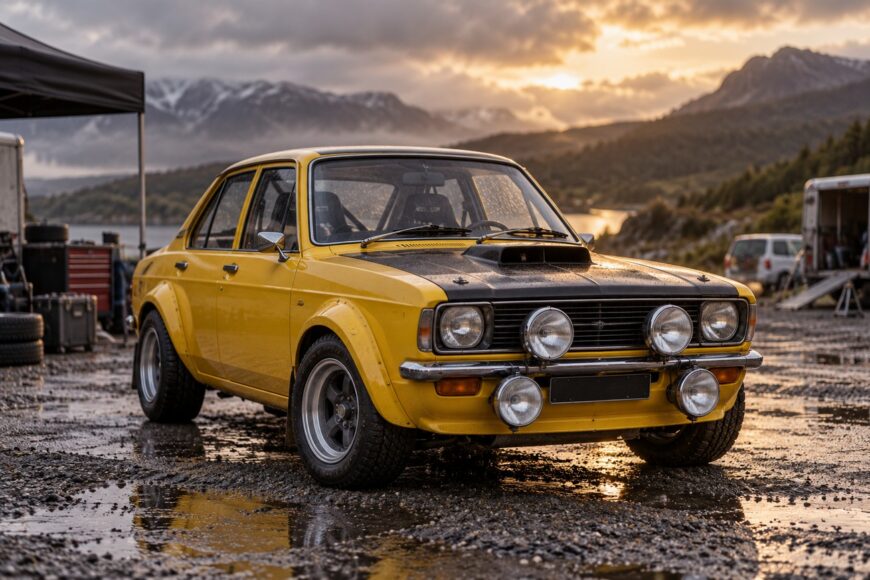
The Hillman Avenger Tiger is one of Britain’s more elusive rally homologation specials: a limited, competition-minded derivative of the Avenger, with a lowered roofline, widened arches, a lightened body, and distinctive bonnet treatment. Its appeal rests on factory competition intent rather than a headline power figure.
That appeal creates a serious buying problem. A genuine, period-correct Tiger can be historically significant, while a car wearing Tiger badges may be a converted Avenger with ordinary-car identity and specialist-car repair costs. The difference is found in documentation, body structure, and surviving details, not in a photograph or an emblem.
- What the Hillman Avenger Tiger Actually Was
- Engineering: Lightness, 1.5-Litre Power, and Chassis Setup
- How Rare Was the Tiger—and What Does the Number Prove?
- Authenticity First: How Clones and Misidentified Cars Happen
- Restoration Reality: Why the Body Matters More Than the Engine
- Driving a Real Tiger: Rally Credibility Beyond the Badge
- What Determines a Tiger’s Value Today?
- Frequently asked questions
- How much is a Hillman Avenger Tiger worth?
- How many Hillman Avenger Tigers are left?
- Was the Hillman Avenger a good car?
What the Hillman Avenger Tiger Actually Was
The Hillman Avenger Tiger was a limited rally homologation special based on the Hillman Avenger. It was developed for a period when manufacturers needed road-legal cars that reflected their competition programs, rather than simply adding equipment to an otherwise standard family saloon.
Its lowered roofline, widened arches, lightened body, specific bonnet or air-intake treatment, and revised suspension separated it from the regular Avenger. These changes affected the car’s proportions and its mechanical priorities, giving the Tiger a more purposeful platform for gravel and tarmac competition.
Calling it merely the most powerful production Avenger misses the point. The Tiger’s importance comes from the relationship between its body, weight, suspension, and intended use. Factory preparation was aimed at producing a credible competition base, while the ordinary Avenger had to remain practical, quiet, and usable as a road car.
That makes the Tiger an early homologation special in the meaningful sense: a scarce road-going derivative shaped by competition requirements. Its historical value therefore depends on evidence of that identity, rather than on how aggressively a later owner has modified the engine.
Engineering: Lightness, 1.5-Litre Power, and Chassis Setup
Power came from a 1.5-litre inline-four from the Avenger/Rootes family, using carburetors and sports-oriented tuning. Rally specifications are commonly quoted at approximately 100–125 hp, depending on specification and source. That range should not be treated as a single universal factory figure.
Published figures vary because rally preparation, engine build, and period specification were not necessarily identical. A competition engine could have different tuning from a road-registered example, while later rebuilds may also have changed the output. A claimed peak figure is therefore less useful than evidence that the engine matches the intended specification.
The Tiger’s hardware worked as a system. The lowered roofline changed the car’s visual proportions, the widened arches accommodated its purposeful stance, and revised suspension helped control the lighter body. On loose surfaces and asphalt, mass, traction, chassis durability, and setup mattered as much as peak power.
This explains why a mechanically standard-looking car can still be valuable if it retains the right structure and period details. Conversely, a powerful engine cannot compensate for a tired shell, incorrect suspension geometry, or a body that was never a Tiger in the first place.
How Rare Was the Tiger—and What Does the Number Prove?
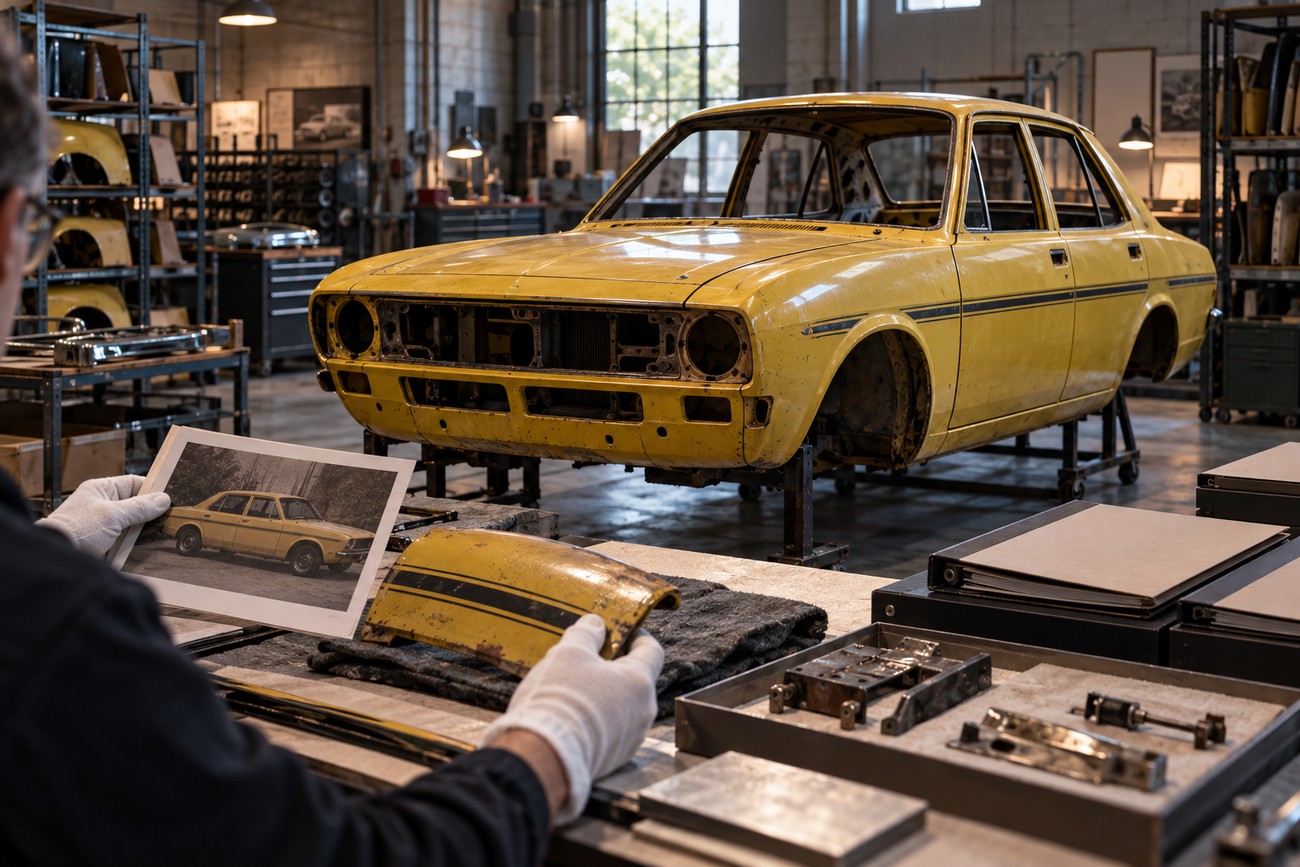
Club and archive sources commonly cite approximately 250 Tigers built for homologation. The exact public figure varies, so that number should be used as a qualified production estimate rather than as a definitive factory census.
Production rarity and survival are separate questions. No authoritative public census establishes how many Tigers survive today, and a club register or known-car list will usually represent documented examples rather than every surviving or abandoned shell.
The often-cited figure also proves nothing about an individual car. A scarce model can produce replicas, converted Avengers, cars with lost identity, and vehicles carrying incomplete documentation. Rarity makes authentication more important; it does not make authentication unnecessary.
For a buyer, the useful question is whether the specific car can be connected to the original production story. Chassis evidence, period records, and physical features carry more weight than repeating an approximate total from a sales description.
Authenticity First: How Clones and Misidentified Cars Happen
An emblem alone does not prove Tiger authenticity. Badges can be reproduced, transferred from another car, or fitted to an attractive Avenger conversion. Photographs can also conceal altered roof sections, repaired arches, missing identification tags, and incorrect interior or mechanical details.
Authentication should combine VIN or chassis evidence, identification tags, body features, component specification, and documented history. The inspection should begin with the identity of the shell, then test whether the physical car is consistent with that identity. Avoid relying on an unverified universal identification number or a single visual clue.
Old registrations, period photographs, rally records, and matching component numbers can be particularly valuable. A car with imperfect paint but a continuous, credible history may deserve more confidence than a fresh cosmetic restoration with no clear identity trail.
Engine numbers are useful evidence, although they should be considered alongside the body and records rather than treated as conclusive on their own. Engines can be replaced, rebuilt, or changed during competition use, while the shell and its documented history often provide the stronger link to the original car.
A converted Avenger may still be an enjoyable classic and a well-executed competition replica. Its description should remain accurate, however. Paying genuine-Tiger money for a conversion creates a different ownership proposition from deliberately buying a replica with honest disclosure.
Restoration Reality: Why the Body Matters More Than the Engine
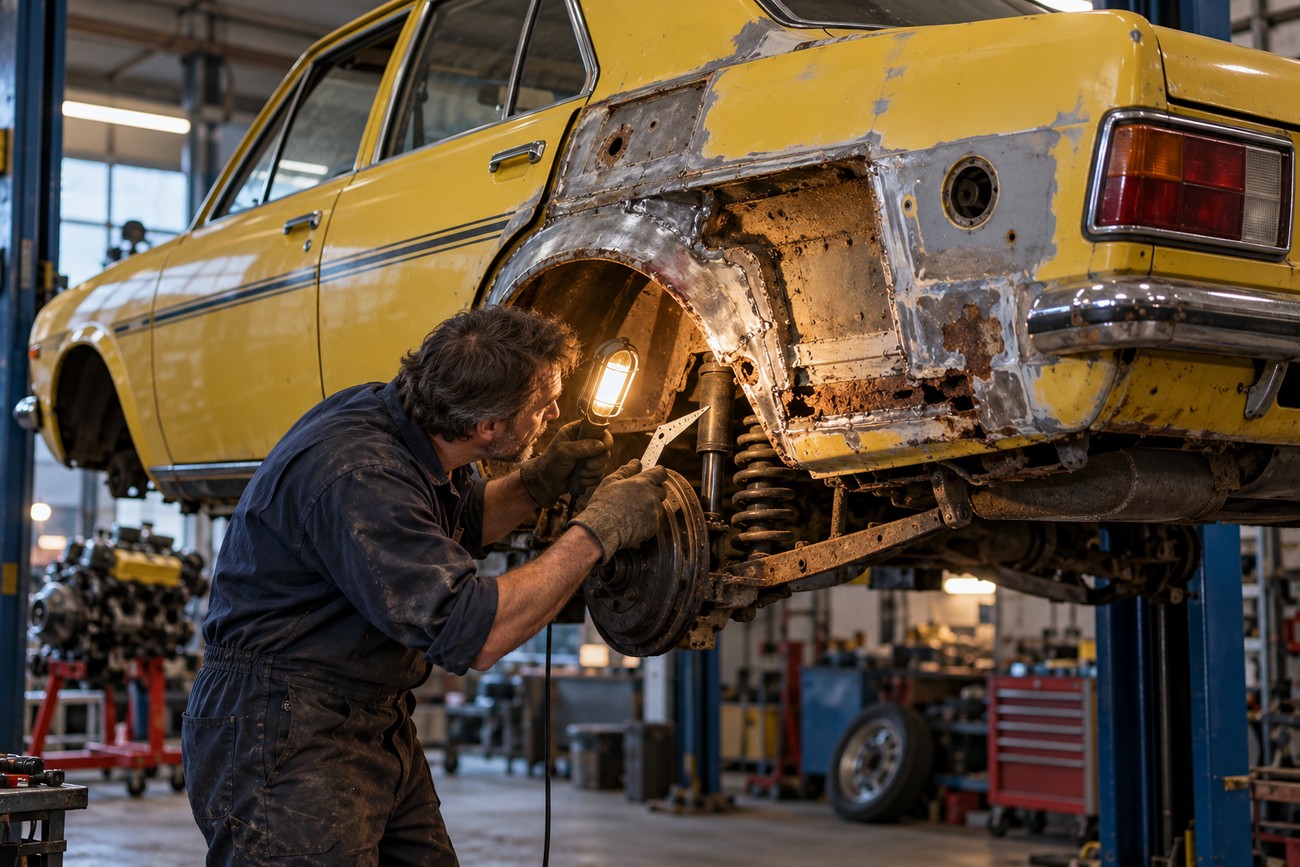
Unique bodywork and trim are the main parts shortage, not the engine. Tiger arches, panels, interior pieces, and finishing details may require club sourcing, specialist fabrication, or careful repair. Mechanical components are often easier to rebuild or replace than an obscure piece of original bodywork.
Hidden corrosion can affect cavities, floors, and suspension mounting points. These areas may look acceptable under paint or underseal while carrying the structural cost of the project. A cheap purchase can become an expensive restoration once rare components, metalwork, alignment, and specialist labor are properly priced.
Original Tiger metal can be more valuable than a cleaner-looking reproduction. Repairing an imperfect factory panel may preserve evidence of the car’s identity, while an attractive replacement can remove that evidence and introduce uncertainty.
Modern upgrades also require judgment. Improved brakes, dampers, wiring, or engine parts may make a car easier to use, yet extensive changes can reduce period correctness and collector value. The sensible approach is to record every modification and preserve reversible options wherever possible.
For restoration planning, inspect the shell before commissioning an engine rebuild. A freshly rebuilt motor cannot rescue a structurally poor body, missing Tiger panels, or an identity that cannot be established.
Driving a Real Tiger: Rally Credibility Beyond the Badge
The Tiger’s rally character depends on coherent setup. Suspension condition, spring and damper choices, wheel alignment, tire selection, and carburetor tuning all influence whether the car feels responsive or merely old. The correct combination matters more than fitting one conspicuous competition part.
Owners report that a poorly set-up car can drive like an ordinary classic rather than a rally special. That is unsurprising: decades of worn bushes, altered ride height, mismatched tires, weak brakes, and uncertain carburetor settings can erase much of the intended balance.
Age-related faults deserve equal attention. Electrical problems, corrosion, deteriorated rubber components, and brake issues can undermine reliability before any serious driving begins. Cooling should also be checked as part of the whole system, without assuming that a competition-looking engine bay guarantees dependable running.
A credible road or rally-style Tiger should therefore show a consistent approach to its preparation. Period-correct components, sensible maintenance, and properly adjusted suspension create a more convincing driving experience than a badge, loud exhaust, or isolated engine modification.
What Determines a Tiger’s Value Today?
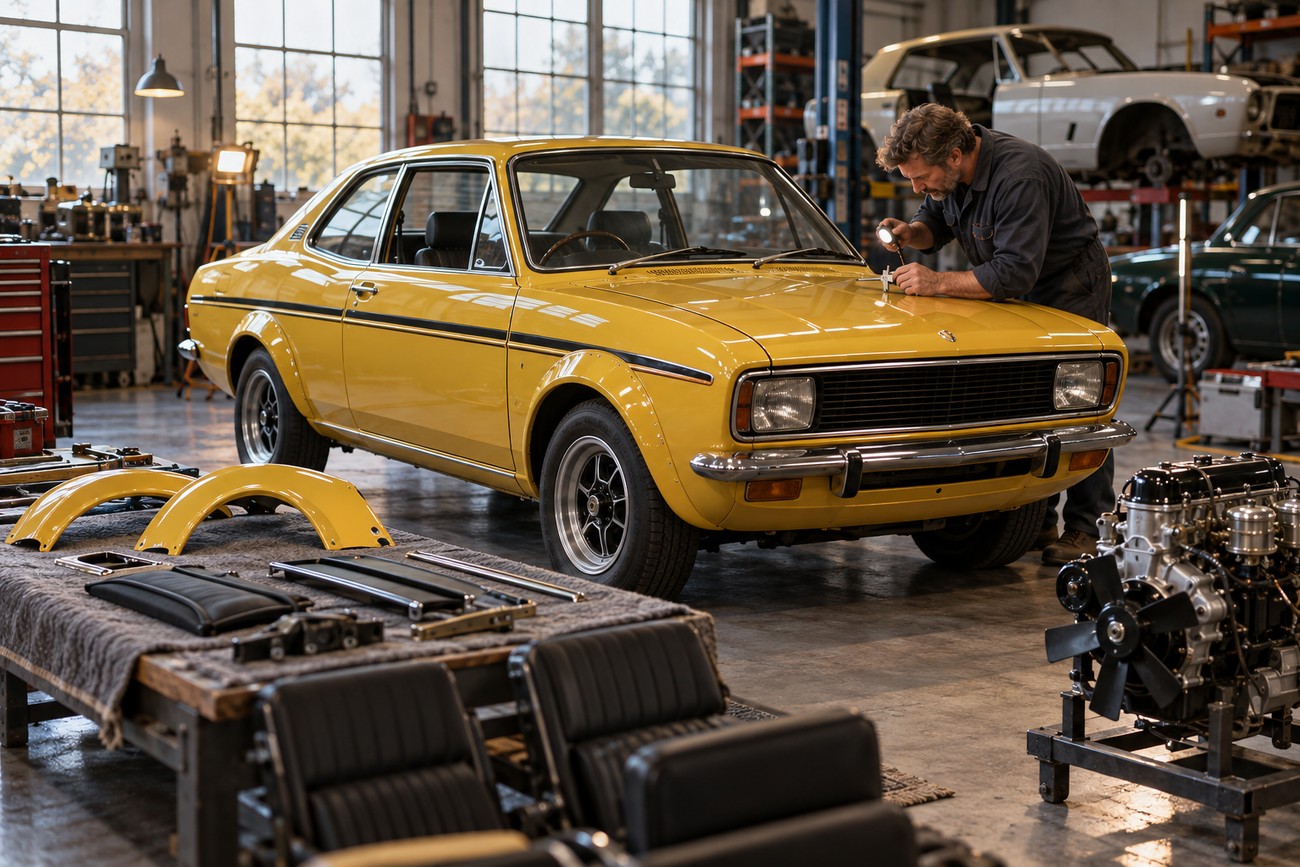
A Tiger’s value is driven by verified identity, body condition, originality, period correctness, and documented provenance. These factors should be considered together rather than reduced to paint quality or engine output.
The rare Tiger body generally matters more than a freshly rebuilt engine. Mechanical work can be repeated by a competent specialist, while an original shell, correct arches, and scarce trim may be difficult or impossible to replace without losing historical credibility.
Restoration stage also changes the calculation. An untouched but structurally sound car may offer a credible basis for careful work, while a dismantled project with missing panels and uncertain identity can absorb substantial money before it becomes usable.
Documented history can outweigh the appearance of a recent restoration. Rarity increases collector interest, but it also increases the cost of finding parts and expertise. A buyer should pay for evidence and sound structure, not simply for the story attached to a yellow car.
Frequently asked questions
The Tiger’s value and identity depend on evidence rather than appearance alone. Production estimates do not establish how many cars survive or confirm an individual example. The following answers focus on valuation, surviving cars, and the relationship between the Tiger and the ordinary Avenger.
How much is a Hillman Avenger Tiger worth?
There is no universal price for a Hillman Avenger Tiger. A practical valuation starts with verified identity, then considers body condition, provenance, originality, period correctness, and restoration stage.
A documented, structurally sound car with original Tiger features may justify a strong valuation even if it needs mechanical work. An attractive conversion, incomplete project, or car with uncertain identity should be assessed as a different proposition, regardless of its paint, badges, or rebuilt engine.
How many Hillman Avenger Tigers are left?
No authoritative public census establishes how many Tigers survive today. Club and archive sources commonly cite approximately 250 cars built for homologation, but the exact public figure varies and cannot be converted into a reliable survivor count.
Known cars in club registers are documented survivors, not necessarily the complete population. Some vehicles may be unrestored, misidentified, dismantled, or held privately without public records. The number of confirmed examples is therefore more useful than an unsupported claim about every surviving car.
Was the Hillman Avenger a good car?
The ordinary Avenger was a lightweight family saloon with a different design brief from the Tiger. Its strengths and weaknesses as a practical classic should not be judged by the specialist version’s rally reputation.
The Tiger used the Avenger’s basic relationship while adding competition-oriented body and chassis preparation. That makes the two cars related but different ownership propositions: an Avenger may offer simpler classic-car use, while a genuine Tiger brings greater historical interest alongside harder parts sourcing and stricter authenticity concerns.







