
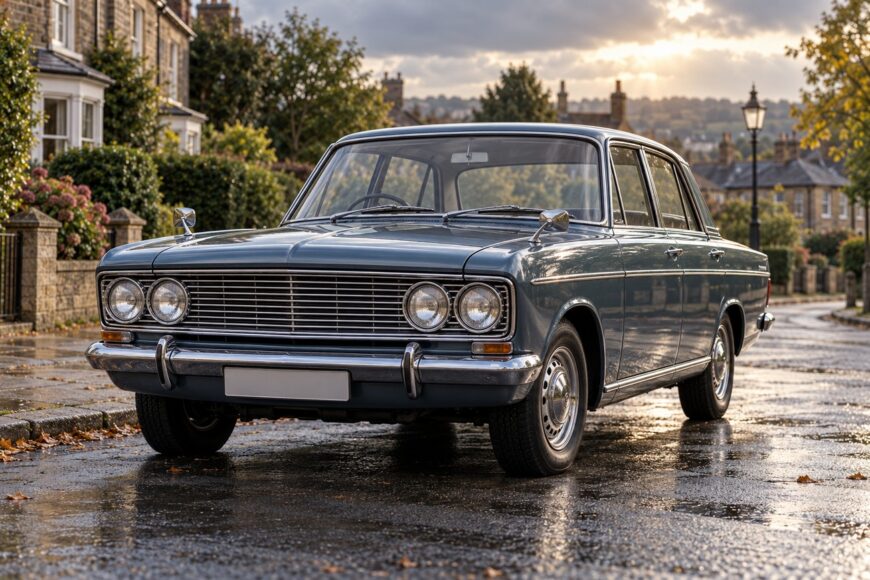
The Ford Zodiac Mk III was Britain’s big, upmarket Ford from 1962 to 1966: the flagship of the Zephyr/Zodiac Mk III family, with the presence and finish to match its place in the range. Its six-cylinder engine and spacious saloon body still make a strong case for it as a touring classic. Treating it as merely a Zephyr with extra chrome, however, misses why buyers chose the Zodiac in the first place.
Ownership turns on a less glamorous balance. The car’s steel body can hide expensive corrosion, correct trim is difficult to replace, and its steering, noise levels, and braking belong to the 1960s. Even the familiar 109 bhp power figure is not universal: published Zodiac figures range from 103 to 109 bhp, while a worn or poorly tuned survivor may feel a long way from either number. The condition of the car in front of you matters more than its brochure performance.
- What the Ford Zodiac Mk III Was
- Engine, Gearbox and Chassis
- How Fast Is a Zodiac Mk III on the Road?
- The Bodywork Is the Real Buying Test
- Restoration, Originality and Parts Availability
- What the Myths Get Wrong About the Mk III
- Frequently asked questions
- What was the top speed of a Ford Zodiac Mk III?
- Why do Ford Zodiac Mk III power figures range from 103 to 109 bhp?
- What was the British Ford Zodiac?
What the Ford Zodiac Mk III Was
Produced from 1962 to 1966, the Ford Zodiac Mk III sat at the top of the Zephyr/Zodiac Mk III family. It was the most prestigious version of Ford’s large British saloon, aimed at buyers who wanted more equipment and a richer finish than a Zephyr offered. Approximately 77,709 examples were built, making it a recognizable period car without making a sound, complete survivor easy to find.
The family resemblance is obvious, and the cars shared much of their underlying engineering. Yet the Zodiac had its own position in the range, along with distinctive exterior and interior details. Calling one a “luxury Zephyr” is useful shorthand only until you need to identify a car accurately or replace missing Zodiac trim.
That distinction matters at purchase time. A tidy large Ford may be appealing on sight, but its identity, specification, and surviving fittings deserve checking against its paperwork and the physical car. An altered example can still be enjoyable to drive; it should simply be valued as the car it is, rather than as an unquestionably original Zodiac.
The Mk III also captures a particular moment in Ford’s British history: a large, traditionally British saloon with generous proportions and a clear hierarchy of Zephyr and Zodiac models. Its appeal rests as much in that character as in its performance figures. Preserving the details that mark it out as a Zodiac is therefore part of preserving the car’s identity.
Engine, Gearbox and Chassis
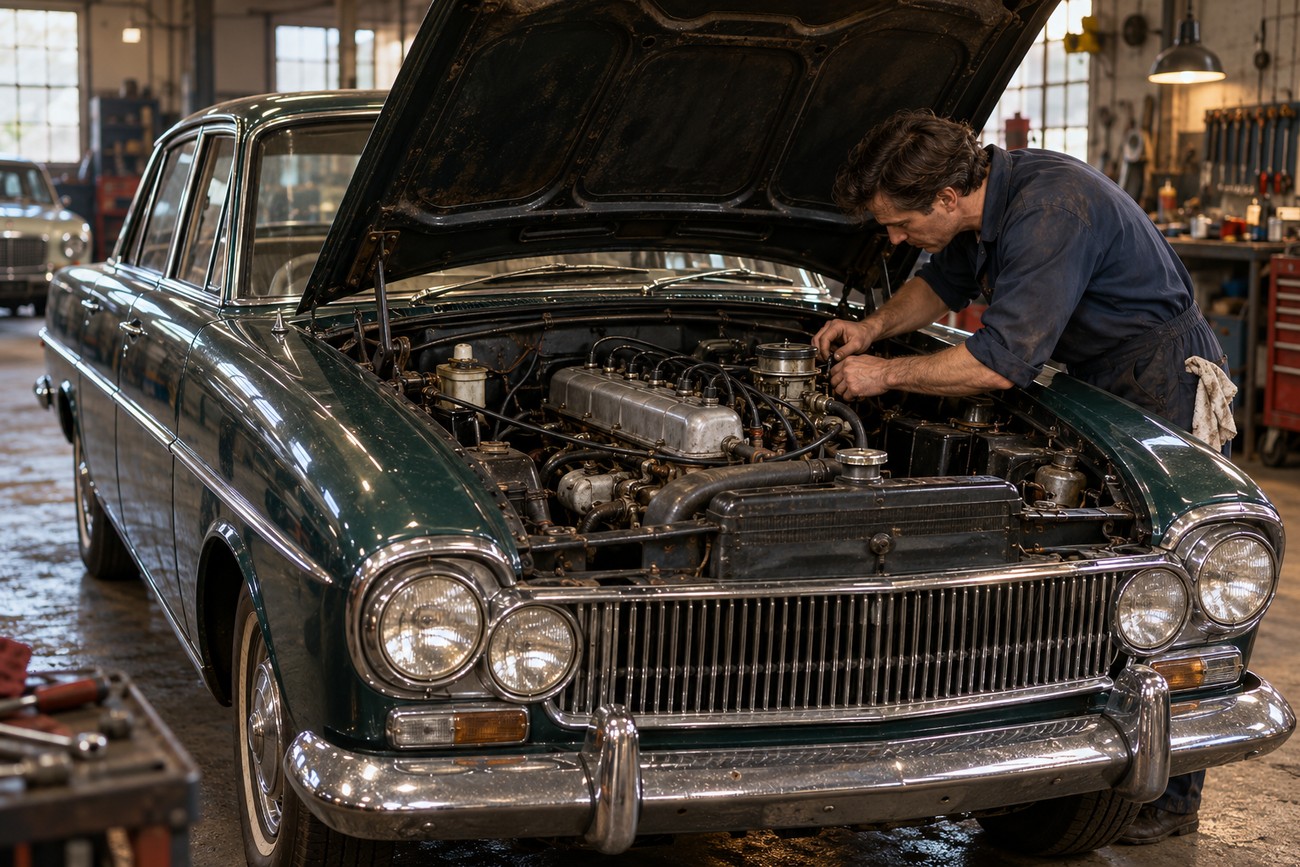
The Zodiac Mk III uses a 2,553 cc overhead-valve inline-six mounted at the front, driving the rear wheels. It gives the car the measured, six-cylinder character expected of a large saloon of its era. Engine condition matters more than the simplicity of the layout might suggest: poor ignition or carburetor setup can make a sound basic design feel flat.
The standard manual arrangement was a four-speed gearbox with synchromesh on all gears. Overdrive and automatic transmissions were also available, so it is worth establishing which setup a particular car actually has before judging its driving feel or planning repairs. Check the operation of the fitted transmission on the road rather than relying solely on a description in an advertisement.
Independent front suspension helps the front wheels cope with uneven roads, while a live rear axle on leaf springs keeps the rear layout straightforward. In use, the car still feels substantial, especially during slow maneuvers. Its size and weight distribution are part of the experience, not faults that a suspension refresh can entirely remove.
Front disc brakes and rear drums provide the stopping power; source descriptions also mention assisted braking. On an individual car, confirm the equipment present and assess how consistently it works. Good adjustment and maintenance make a substantial difference, although even a properly sorted system calls for more anticipation than a modern driver may expect.
How Fast Is a Zodiac Mk III on the Road?
Published figures commonly put the Zodiac Mk III at about 13.5 seconds from 0–60 mph, with a top speed of approximately 100–104 mph, depending on the source and vehicle condition. The most frequently quoted output is 109 bhp, although published Zodiac figures range from 103 to 109 bhp; some other period references give lower numbers. None of these figures guarantees how a surviving car will perform.
A healthy six should pull steadily and make the Zodiac a plausible distance car by the standards of its time. A tired carburetor, incorrect ignition timing, or engine wear can erode that impression without producing an obvious roadside failure. If a car feels unusually reluctant, investigate its state of tune before deciding that all Mk IIIs drive that way.
Low-speed steering can feel heavy, and the nose is less eager to change direction than that of a smaller classic. Noise and vibration also become more noticeable if you arrive expecting modern refinement. These are reasons to take a meaningful test drive on varied roads, rather than form a verdict during a short run around a yard.
Braking deserves the same attention as acceleration. A car that gathers speed reasonably well but pulls, hesitates, or feels inconsistent under braking is telling you about its present condition, not simply its age. Judge the Zodiac as a period large saloon, while still expecting every safety-critical system to work properly.
The Bodywork Is the Real Buying Test
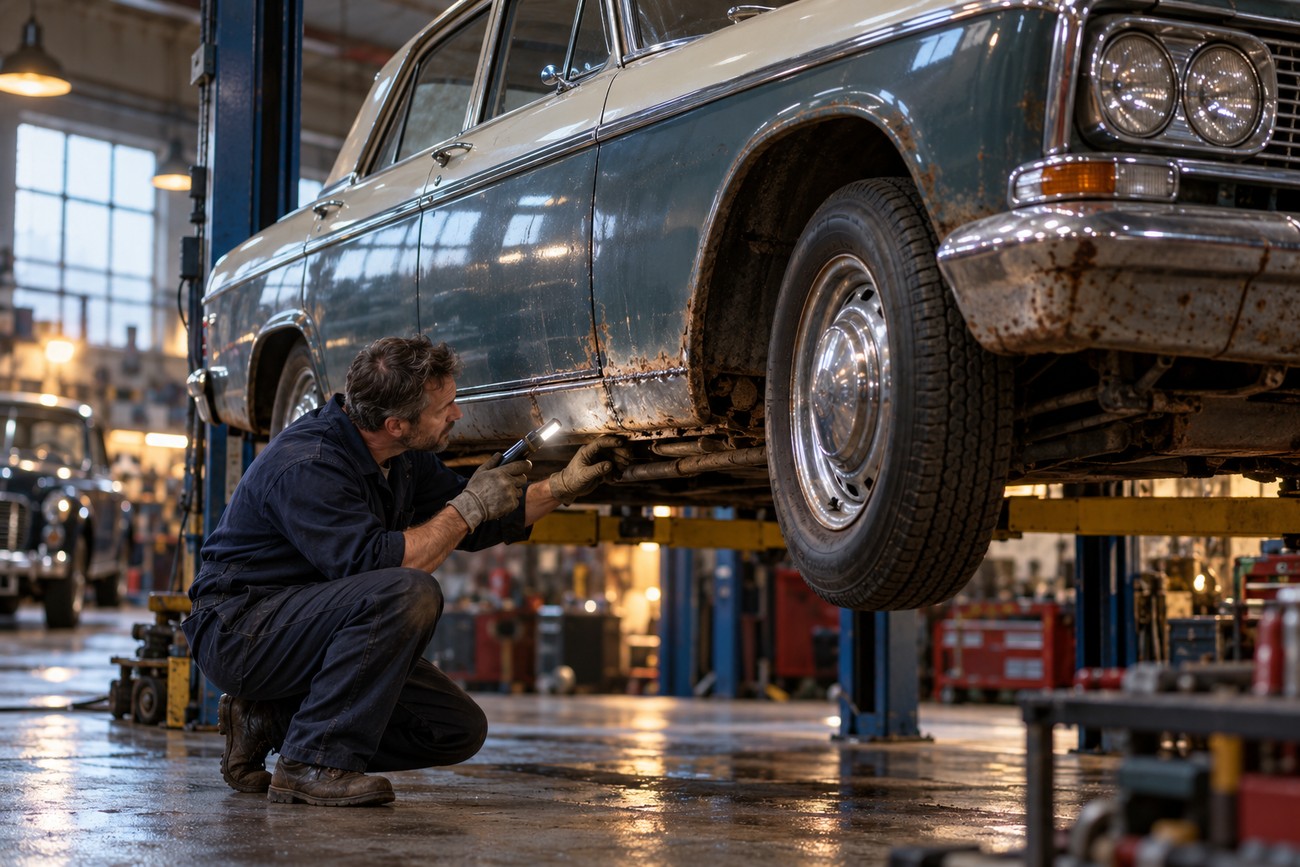
The Zodiac Mk III has a load-bearing steel body, so corrosion is more consequential than a blemish on an outer panel. Rust or poor repairs can affect the structure that carries the suspension and keeps the body aligned. A smooth engine and fresh paint offer little reassurance if the shell underneath has been weakened or badly rebuilt.
Start with the sills, wheel arches, floors, lower door edges, and front-end structures. Inspect both the visible surfaces and the areas behind or beneath them where access allows, looking for corrosion and the edges of past repairs. Rust at a lower door edge may be principally a panel problem; deterioration in a sill, floor, or front structure demands a closer assessment of the surrounding metal.
Fresh paint can conceal a repair that looks tidy from outside yet leaves weak welds or altered body geometry. Probing the sills, floors, and front structures, and assessing how repairs join sound metal, tells an inspector more than the gloss of the finish.
Check the consistency of panel gaps and how doors open and close, then compare those clues with what is visible beneath the car. Neither an uneven gap nor an old weld proves that a shell is beyond repair, but each warrants an explanation. Where substantial work has been done, photographs and invoices are more useful than an assurance that the rust was “sorted.”
Bright chrome can draw attention away from the costliest questions. Allow time for a careful inspection in good light, ideally with safe access to the underside, and seek specialist assessment if the quality of structural repairs is unclear. Buying an honest car with visible defects can be more manageable than discovering hidden corrosion after paying for a polished one.
Restoration, Originality and Parts Availability
Making a Zodiac roadworthy and making it correct are different undertakings. General mechanical faults may be easier to diagnose and address than missing Zodiac-specific chrome, interior decoration, or body components. Those details are part of what distinguishes the flagship, and sourcing or restoring them can absorb more time and money than a buyer expects.
Completeness therefore deserves a place alongside body condition in any inspection. Look closely at the cabin, exterior brightwork, and model-specific fittings, noting what is present, damaged, or substituted. A cheaper shell missing distinctive trim may be a harder project than a more complete car needing ordinary mechanical attention.
Some surviving cars are composite restorations assembled from more than one project. Such work can keep a car on the road, but it complicates claims of originality. Compare the documented history with the fitted engine, gearbox, and trim, and establish whether an advertised overdrive or automatic installation matches the evidence available for that car.
Budgeting should reflect the actual specification rather than a generic assumption that old Fords are cheap to rebuild. A six-cylinder Zodiac is generally more expensive to keep than a Zephyr, and scarce correct parts add another constraint. A complete, documented example gives you a clearer starting point, even if it still needs maintenance.
What the Myths Get Wrong About the Mk III
The first persistent claim is that every Zodiac Mk III made 109 bhp. That is the most commonly cited figure, but published Zodiac figures range from 103 to 109 bhp, with lower values appearing in some other period references. Check which specification a source describes before using its number to judge an individual car.
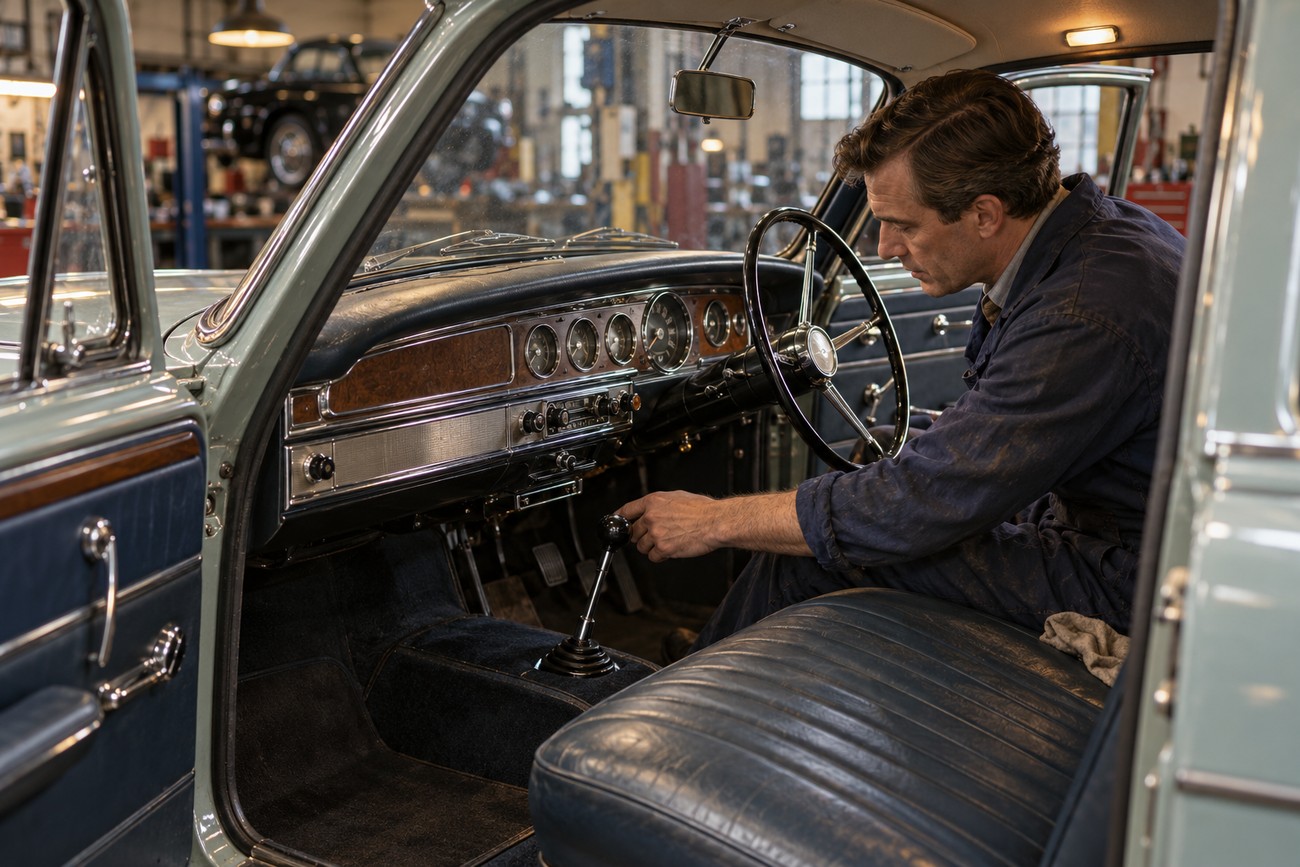
Another assumption is that all Mk IIIs have the same gearbox and equipment. The four-speed all-synchromesh manual, available overdrive, and automatic option make that unsafe, even before differences between years and markets are considered. Confirming the equipment fitted is more useful than ordering parts or estimating value from a model name alone.
The Zodiac was also more than a Zephyr dressed in extra chrome. It occupied the flagship position, with a richer specification and trim, although that does not mean every mechanical component was exclusive to it. Equally, a straightforward 1960s drivetrain does not make a rusty, incomplete Zodiac an inexpensive restoration; body repairs and missing decorative pieces can dominate the work.
Finally, an old large Ford need not feel as sluggish as a neglected example suggests. Correct tuning, sound mechanical, and properly maintained brakes can reveal a more capable car than its age-related reputation implies. That is a reason to seek a well-kept Zodiac, rather than assume every survivor will deliver the published figures.
Frequently asked questions
What was the top speed of a Ford Zodiac Mk III?
The commonly quoted top speed is approximately 100–104 mph, depending on the source and the vehicle’s condition. That range describes period capability rather than a speed every surviving car can reach today. Engine tune, wear, and the fitted transmission can all affect what an individual example delivers.
Why do Ford Zodiac Mk III power figures range from 103 to 109 bhp?
Published Zodiac figures range from 103 to 109 bhp because sources do not always describe the same year, market, specification, or measurement convention. The 109 bhp figure is the one most often quoted for the Zodiac, but it should not be treated as an absolute for every car. Lower numbers in other period references call for the same check of what, precisely, was being measured.
What was the British Ford Zodiac?
The British Ford Zodiac was the upmarket large-car model in the Zephyr/Zodiac family; the Mk III was its 1962–1966 flagship version. The name identifies a substantial saloon with a richer position in Ford’s range, rather than a separate type of sports car. In particular, the Ford Zodiac Mk III and Ford GT40 Mk III are unrelated models despite sharing the “Mk III” designation.







