
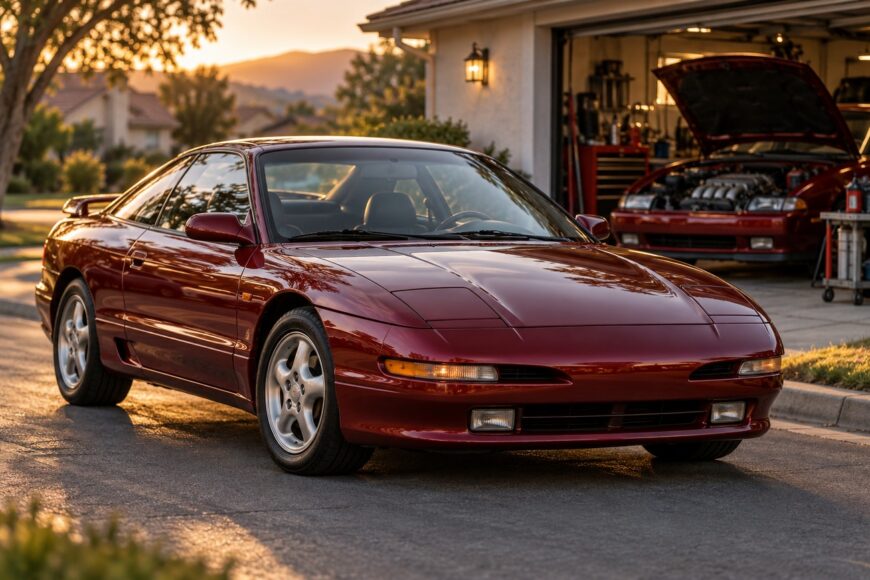
Ford placed the Probe close enough to the Mustang conversation to create a lasting misunderstanding. The second-generation Probe GT was a front-wheel-drive, Mazda-based grand-touring coupe rather than a traditional muscle car, with its engineering shaped by the Ford–Mazda alliance instead of a rear-wheel-drive V8 formula.
Its appeal remains clear: a 2.5-liter V6, independent rear suspension, aerodynamic bodywork, and the involvement of a manual transmission. The ownership challenge is equally clear. A sound, mostly original car matters far more than a low asking price, a dramatic exhaust, or the Ford badge on the nose.
- The Mazda Engineering Behind the Ford Probe GT
- What Made the GT Special on the Road
- The Mustang Replacement Myth, Explained
- Why Probe GT Ownership Becomes a Project
- How to Buy a Ford Probe GT Without Buying Someone Else’s Problems
- Is the Ford Probe GT Still Worth the Trouble?
- Frequently asked questions
- Was the Ford Probe supposed to replace the Mustang?
- What was the Mazda equivalent of the Ford Probe GT?
- How much is a Ford Probe GT worth today?
The Mazda Engineering Behind the Ford Probe GT
The second-generation Ford Probe GT was produced from 1993 through 1997 as part of Ford’s broader engineering relationship with Mazda. Its architecture was based on Mazda G-series/GE engineering, and the Probe shared major mechanical development with the Mazda MX-6 and Mazda 626. That relationship explains much of the car’s layout, ride, and parts-sourcing reality.
The Probe GT was front-wheel drive, with its engine and transmission mounted transversely. This immediately separated it from the traditional Mustang formula, which centered on rear-wheel drive and a more distinctly American performance identity. Ford’s involvement was real, yet the GT’s underlying character came from a Mazda-developed coupe platform rather than from the Mustang’s mechanical lineage.
Shared engineering can make ownership easier, especially for suspension and drivetrain research, but it does not make every component interchangeable. Parts can vary by generation, specification, body style, and production detail. A Mazda MX-6 reference may lead to the correct component, while another part carrying a similar model description may fit poorly or not at all.
That distinction matters more today because Probe-specific trim, body panels, interior pieces, and small fittings are difficult to source. The platform gives the car useful mechanical commonality, yet the body and cabin remain tied to a relatively uncommon model. Buyers should therefore treat the Probe GT as a Mazda-based Ford coupe with a Ford identity, rather than as a Ford muscle car with a few Mazda parts.
What Made the GT Special on the Road
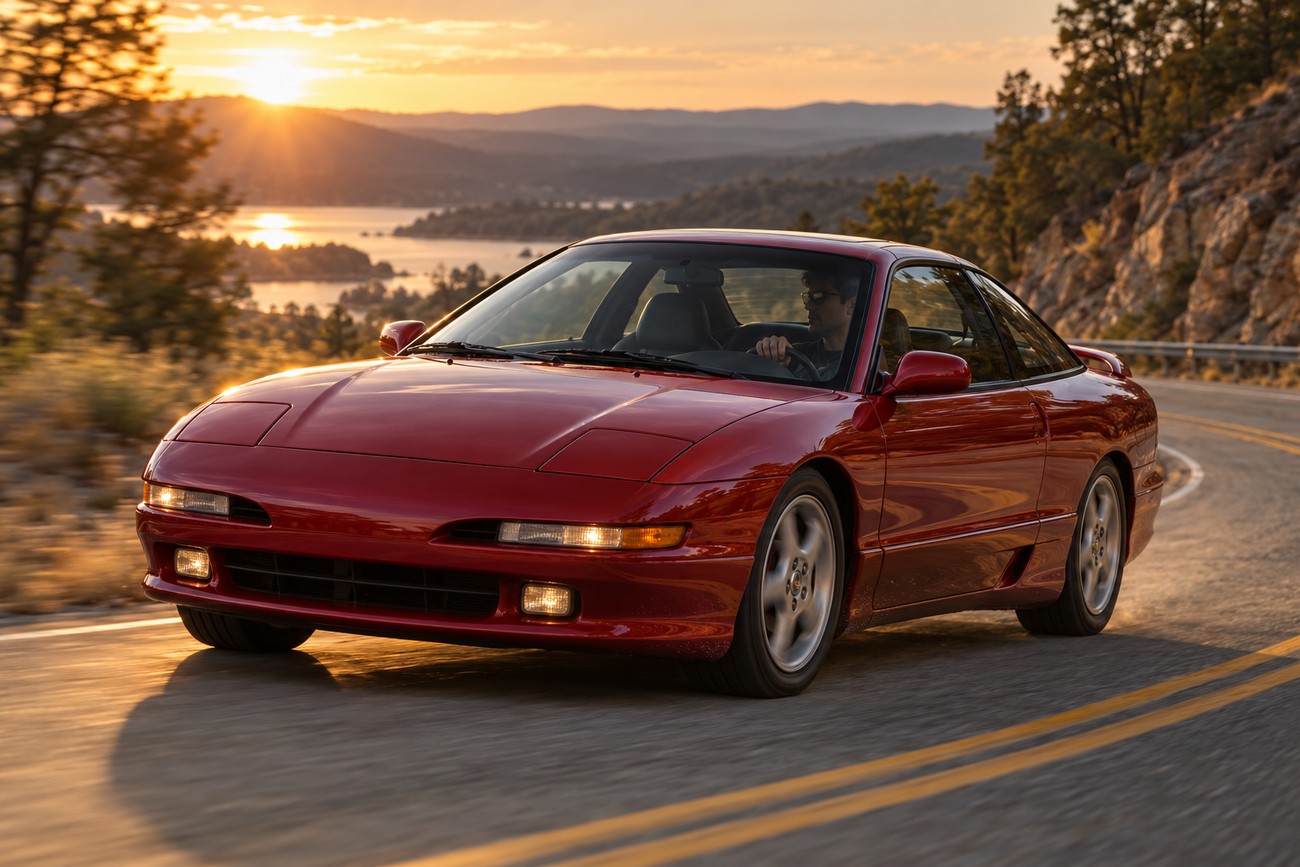
In U. S. specification, the Probe GT used a 2.5-liter KL-DE V6 producing approximately 164 hp and 217 N·m. Market and model-year specifications could vary, but the engine gave the coupe a smoother and more substantial power delivery than the four-cylinder versions. It was well suited to covering distance quickly, especially once the engine was operating cleanly and the cooling and vacuum systems were in good order.
Buyers could choose a 5-speed manual or a 4-speed automatic transmission. Enthusiasts generally prefer the manual because it gives the V6 sharper response and makes better use of the chassis. The automatic can make an aged GT feel slow, particularly if the engine is neglected or the transmission is no longer shifting as it should.
Period testing commonly placed the GT’s 0–60 mph performance in approximately the mid-to-high 7-second range. That is useful context rather than a promise for every surviving car. Transmission choice, maintenance, vehicle condition, tire quality, and accumulated modifications can move the real-world result substantially in either direction.
The chassis helps explain the car’s character. McPherson struts were used at the front, while the rear employed an independent Mazda multi-link or double-link design. Combined with the aerodynamic body, that layout gives the Probe GT stability and composure at speed. It feels more like a front-wheel-drive grand-tourer than a low-speed muscle coupe built around strong rear-wheel-drive thrust.
The Mustang Replacement Myth, Explained
The Probe became associated with replacing the Mustang because Ford was exploring a new sporting-coupe direction during the period when the Mustang’s future was uncertain. That association survived even though the Probe did not share the Mustang’s rear-drive layout, engine philosophy, or cultural role. The historical connection is important, but it should not be mistaken for a mechanical one.
Its front-wheel-drive Mazda-based architecture placed the Probe in a different category. The GT emphasized aerodynamic stability, predictable chassis behavior, and efficient grand-touring manners. Its V6 delivered useful performance, yet the car did not provide the low-rpm shove or rear-drive attitude associated with a traditional V8-style muscle car.
Ford ended Probe production in 1997 and returned its primary sporting-coupe focus to the Mustang. That outcome confirmed the limits of the replacement idea. The Probe had a legitimate appeal of its own, but it could not occupy the same role as the Mustang because the two cars were designed around different priorities.
The fairest description is a 1990s front-wheel-drive grand-touring coupe with Mazda engineering and Ford styling. Calling it a “Mustang replacement” works as a piece of history; using the phrase to set performance or ownership expectations creates disappointment.
Why Probe GT Ownership Becomes a Project
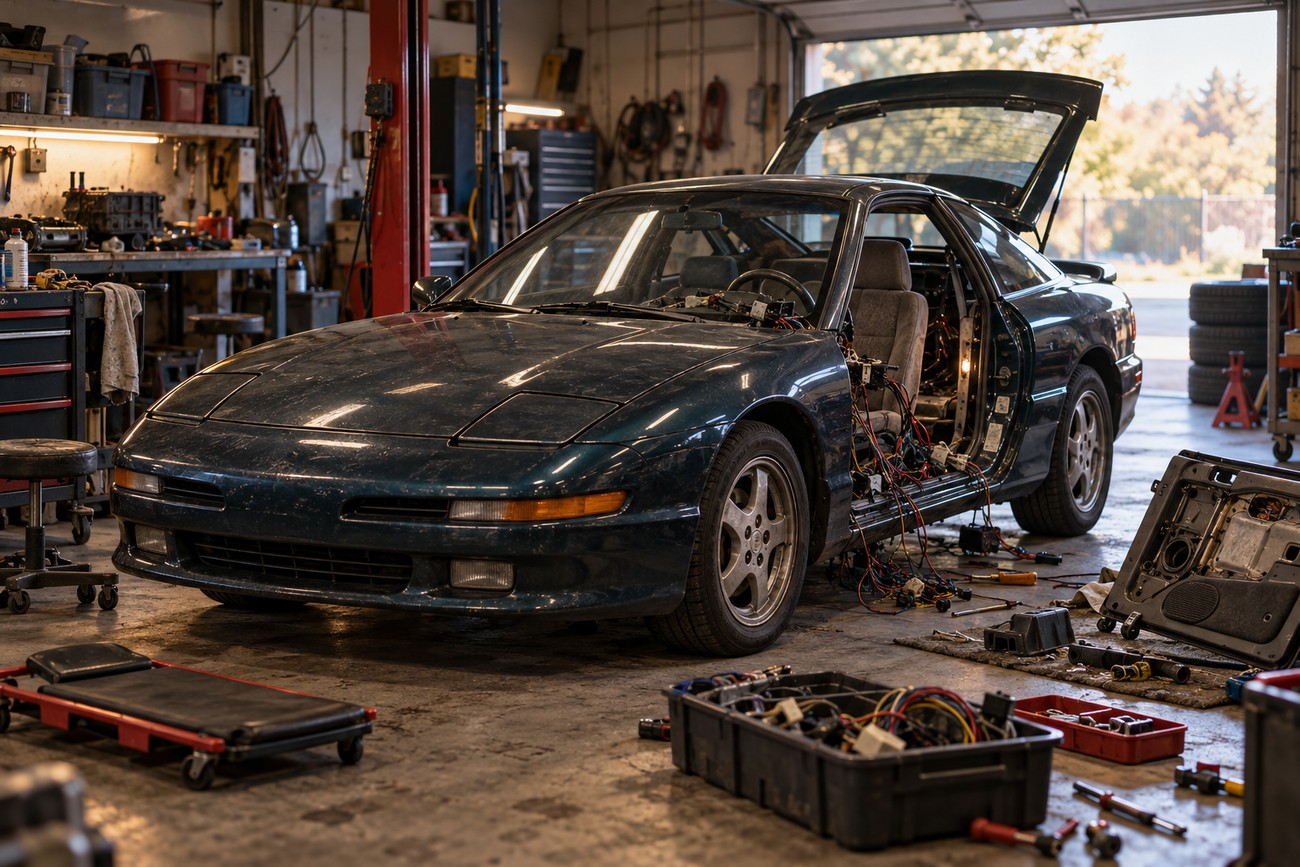
The major drivetrain can remain healthy while the rest of the car steadily turns into a collection of smaller jobs. Electrical faults, aging sensors and switches, worn plastics, tired cables, and damaged trim often affect daily use more than the headline engine specification. A clean test drive does not prove that the interior systems, wiring, and body structure are ready for regular service.
Many surviving cars have been modified over the years. Non-factory wiring, altered intake and exhaust systems, suspension changes, and improvised repairs can make diagnosis slower and parts selection less certain. Some modifications are reversible, while others leave damaged connectors, poorly supported wiring, or unclear changes to the original system.
The cabin is a particular weakness on neglected examples. Buttons fade, plastics become brittle, cables lose their smooth operation, and trim pieces may only be available from another used car. Probe-specific body and interior parts are harder to find than common service components, so a complete but mechanically average car can be a better restoration candidate than a flashy example missing basic pieces.
Parts research is often more productive through Mazda MX-6 or Mazda 626 catalogs, especially for chassis components. The search still requires care: verify the exact generation, specification, and catalog part number before ordering. “Mazda-based” describes the engineering relationship, not a blanket guarantee of interchangeability.
How to Buy a Ford Probe GT Without Buying Someone Else’s Problems
Start with service evidence rather than appearance. The KL-DE V6 requires documented timing-belt, tensioner, and water-pump service, and an owner’s verbal assurance is a weak substitute for records or clear inspection evidence. If the history is unknown, price the car as though this work is due rather than treating the missing documentation as a minor gap.
Inspect the cooling system and vacuum lines before judging the exhaust note or cosmetic presentation. Cooling-system condition affects the engine’s survival, while vacuum leaks can create poor running that is easily misdiagnosed as a more serious fuel or ignition problem. Look for evidence of overheating, neglected hoses, questionable repairs, and brittle or disconnected vacuum plumbing.
Cooling-system pressure, vacuum leaks, belt-service evidence, and wiring quality reveal more about a Probe GT’s future than an aftermarket exhaust or freshly polished engine bay.
Examine the lower body, wheel arches, floor areas, and previous collision repairs with the same seriousness as the engine. Corrosion and poorly repaired structural damage can make restoration impractical even when the V6 starts easily. Panel gaps, mismatched paint, damaged mounting points, and concealed rust deserve more attention than a low odometer reading.
Test the transmission thoroughly. The 5-speed manual is generally preferred for response and involvement, while the 4-speed automatic can make the GT feel unusually subdued and represents a significant age-related inspection point. Check engagement, shifting, clutch operation, noises, and signs of fluid neglect rather than assuming that a short drive has cleared the gearbox.
Finish with the electrical system, interior controls, and tires. Confirm that switches, instruments, lighting, windows, climate controls, and warning systems work without intermittent behavior. Tire condition can substantially change the car’s steering and grip, so a GT on poor or mismatched tires may give an unfair impression of an otherwise sound chassis. Owner reports also often describe higher real-world city fuel consumption than expected, particularly with an automatic or neglected engine; that tendency is not a universal specification.
Is the Ford Probe GT Still Worth the Trouble?
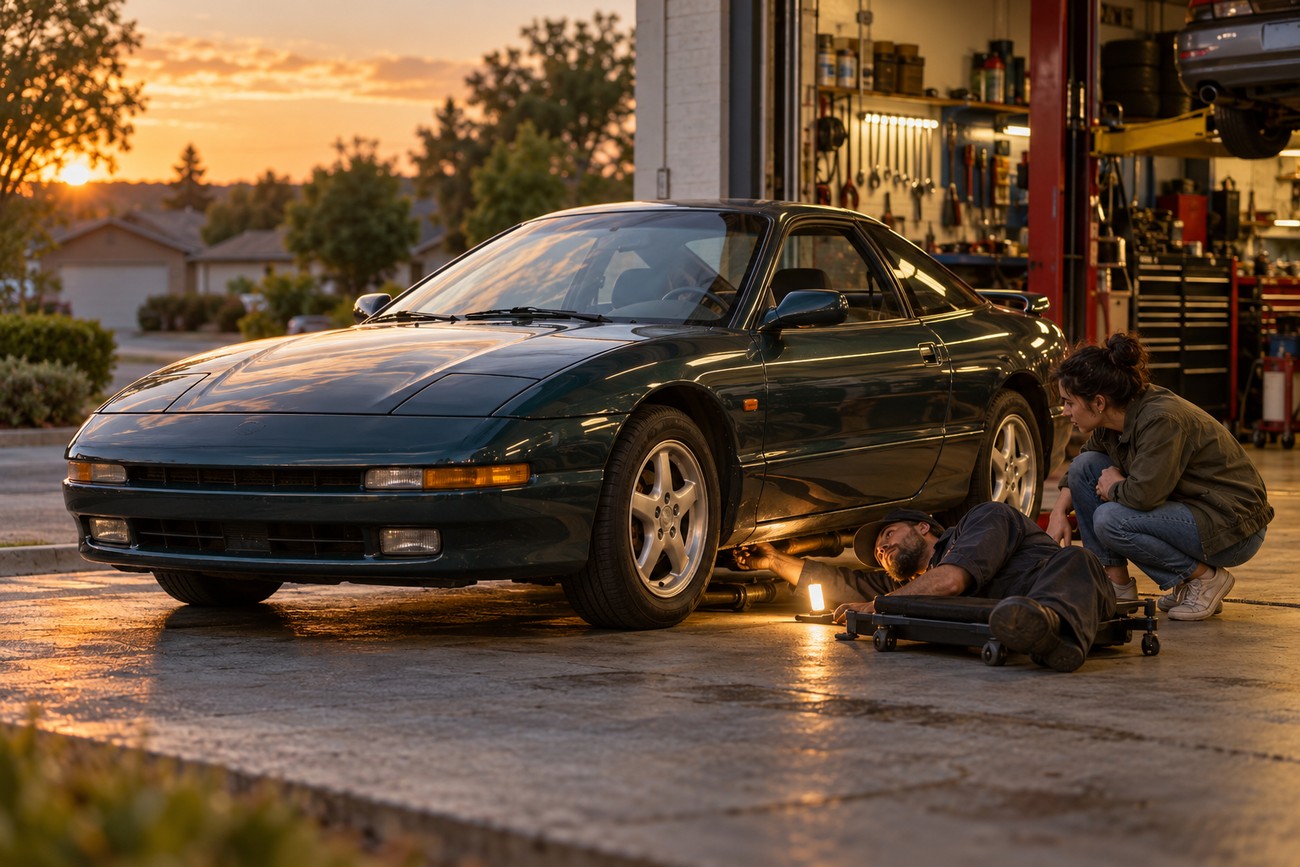
The Probe GT is worth considering for someone who values an unusual 1990s coupe and is prepared to research Mazda parts, inspect old wiring, and tolerate occasional restoration work. It suits a buyer seeking a distinctive grand-tourer with a V6 and an independent rear suspension. It is poorly suited to anyone expecting a cheap Mustang substitute that can be maintained with generic Ford parts.
A documented, mostly stock manual GT is the strongest ownership proposition. When the transmission, chassis, cooling system, and tires are properly sorted, the car can feel lively and composed. A cheap automatic or heavily modified example may cost less to acquire, yet its accumulated electrical, interior, body, and drivetrain work can quickly exceed the initial saving.
Current worth depends primarily on condition, originality, maintenance evidence, completeness, rust, transmission, and modification quality rather than mileage alone. A low-mileage car with neglected belt service and damaged trim is not automatically a better purchase than a higher-mileage example with careful records and a solid body.
The Probe GT makes sense as a Mazda-based 1990s grand-touring coupe with its own identity. Its appeal is strongest when expectations match the engineering: front-wheel drive, V6 smoothness, aerodynamic stability, and manual-transmission involvement instead of bargain V8 Mustang performance.
Frequently asked questions
The Probe GT’s history and present-day value make simple labels unreliable. These answers separate its historical positioning from its mechanical identity and ownership requirements.
Was the Ford Probe supposed to replace the Mustang?
The Probe was associated with the idea of replacing the Mustang, but it was not a direct successor in mechanical layout or character. The Probe used front-wheel drive and Mazda G-series/GE-based architecture, while the Mustang represented a traditional rear-wheel-drive sporting coupe with a stronger muscle-car identity.
Ford ended Probe production in 1997 and returned its main sporting-coupe focus to the Mustang. The Probe therefore became an alternative branch of Ford’s performance history, rather than the next mechanical generation of the Mustang.
What was the Mazda equivalent of the Ford Probe GT?
The Mazda MX-6 and Mazda 626 are the most useful equivalent references for many parts searches because they shared major engineering with the Probe. Chassis and drivetrain research can therefore be easier under Mazda catalog listings than under Ford-only searches.
Compatibility still must be verified by generation, specification, and catalog part number. Similar model names do not guarantee identical fitment, and Probe-specific body or interior pieces may have no direct Mazda replacement.
How much is a Ford Probe GT worth today?
There is no single reliable current value for every Ford Probe GT. The practical valuation depends on rust, originality, service records, transmission, completeness, body condition, and the quality of modifications.
A documented manual GT with a solid body and complete interior deserves a different assessment from a cheap automatic with unknown belt service, wiring changes, corrosion, or missing trim. Mileage helps describe the car, but condition and evidence of proper maintenance should lead the valuation.







