
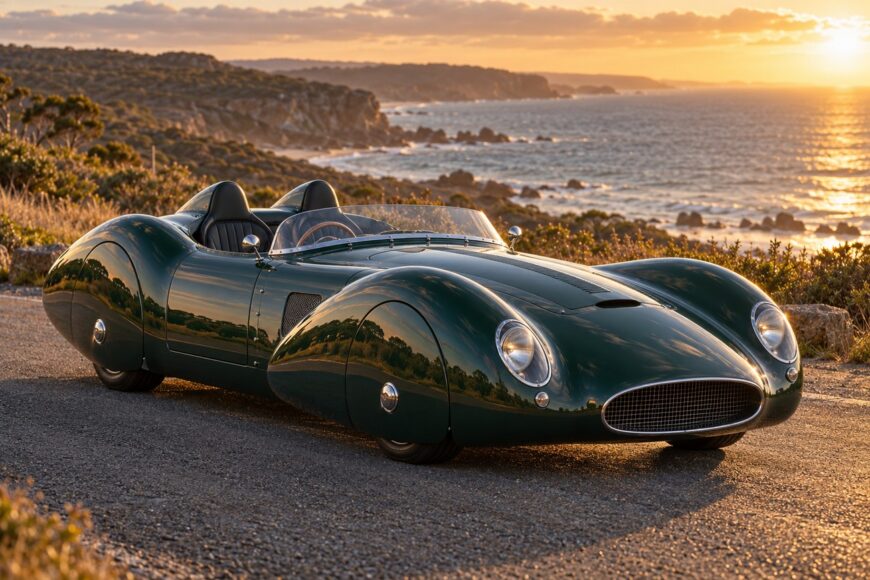
The Elfin MS8 Streamliner has the visual presence of a serious exotic, yet its place in the market is far less obvious. It is a rare Australian sports car built in small series, with a distinctive body and low-volume manual assembly. That combination gives it genuine character while making every individual car more important than the badge on its nose.
Rarity alone does not make an MS8 valuable. A neglected example can consume more money than a sound, documented car because body panels, trim, wiring details, and specialist labor are difficult to replace. The useful buying question is whether the particular chassis has credible records, healthy unique components, legal paperwork, and a supportable ownership path beyond the first enthusiastic drive.
- What the Elfin MS8 Streamliner Actually Is
- HSV-Based Hardware, Performance Claims, and Lightweight Ambition
- How It Feels to Drive—and Where the Compromises Show
- The Real Cost of Owning a Rare Elfin
- What to Check Before Buying an MS8 Streamliner
- Registration, Market Value, and the Rarity Trap
- Frequently asked questions
- What does “poor man’s supercar” mean, and does the MS8 fit that label?
- How should an Elfin MS8 be stored if it will sit unused?
- What is the rarest sports car?
- What is the rarest car in Australia?
- What is the worst car in Australia?
What the Elfin MS8 Streamliner Actually Is
The Elfin MS8 Streamliner is a rare Australian sports car and track-oriented road car associated with the Elfin marque. Its appeal comes from the combination of dramatic bodywork, limited production, and hands-on assembly. It was conceived for drivers who wanted a visually distinctive machine with serious performance intent, rather than the refinement and production scale of a mainstream grand tourer.
The car is often reduced to the description “a Holden underneath.” That misses the point. Donor-related mechanical systems may make selected repairs more familiar, but the MS8’s identity rests heavily on its body, packaging, assembly quality, and individual build history. Those are precisely the areas where a low-volume car differs most from a regular Commodore or HSV.
Manual or small-series construction also means that apparently identical cars may deserve different assessments. A tidy, original example with traceable records can be a coherent collector-grade performance car. Another with improvised wiring, repaired composite parts, or unusual trim work may carry the same badge while requiring a long and expensive recommissioning program.
The MS8 should therefore be judged as a complete low-volume vehicle. Its visual drama is genuine, but so is the responsibility of preserving parts that were never supported by the supply chain built around mass-market Australian performance cars.
HSV-Based Hardware, Performance Claims, and Lightweight Ambition
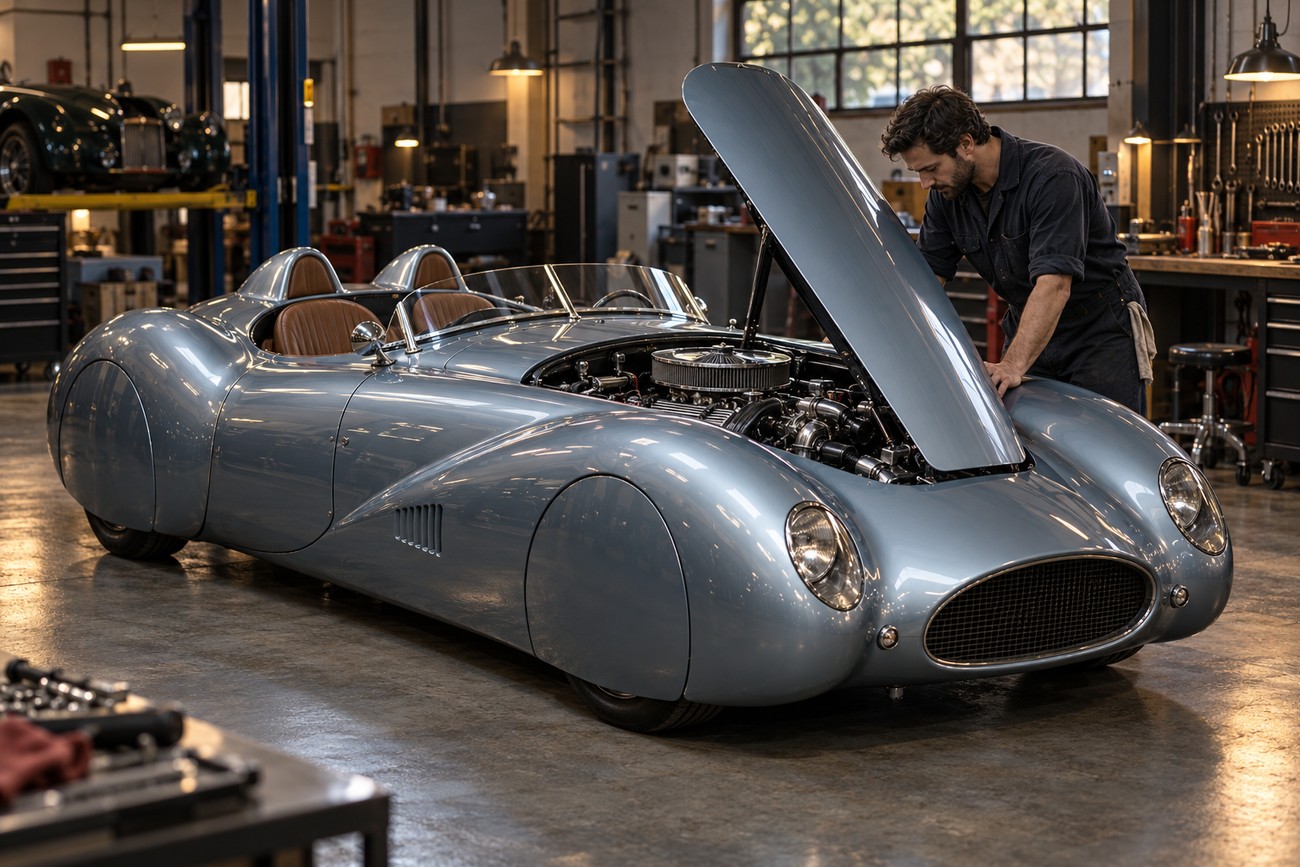
The MS8 is often described as using mechanical components or systems related to Commodore HSV models. That relationship can help with knowledge of the engine, driveline, suspension, and some service procedures. It does not turn the entire car into a readily supported HSV, because the difficult parts are frequently the ones specific to the Elfin.
Some publications cite approximately 260 kW for a V8 version. This is a single-source-style claim rather than a verified specification for every MS8, so the figure should be checked against the vehicle identification number, build documentation, engine details, and an inspection. Changes made during the car’s life can also affect the output actually delivered by the individual vehicle.
Published material commonly places the car’s mass at approximately 1,100–1,200 kg. That is useful for understanding the lightweight ambition of the design, though actual mass can vary with equipment, specification, fluids, safety additions, and later modifications. A buyer should treat the published range as context rather than a substitute for weighing the car or confirming its build configuration.
Shared running gear can reduce the risk of a completely bespoke mechanical repair. It does not remove the need to check cooling, mounts, driveshafts, brakes, fuel delivery, and electrical integration as a system. The most convincing performance figure in an advertisement is less valuable than an engine number that matches the paperwork and a driveline that has been maintained correctly.
How It Feels to Drive—and Where the Compromises Show
The MS8’s lightweight, dramatic character is aimed at enthusiastic driving and track-focused use. Its appeal comes from the sense that the body and performance package were prioritized ahead of everyday polish. On a suitable road, that focus can make the car feel far more special than a familiar donor vehicle with similar mechanical origins.
Road use exposes the compromises quickly. Cabin ergonomics may feel awkward, access can be less convenient than in a normal coupe, and visibility, storage, controls, or seating position may reflect the car’s specialist purpose. The result can be rewarding on a weekend drive while becoming tiring during traffic, parking, or a long urban journey.
Some owners report heat-management and urban noise concerns. The available evidence does not establish those complaints as universal defects, so they should be assessed on the individual car. A road test in traffic, with the engine fully warm and the electrical systems operating under load, is more informative than a short demonstration on an empty road.
Headline power also gives an incomplete picture. Throttle response, gearing, tire condition, brake setup, alignment, cabin heat, and noise shape the experience as much as the output figure. An MS8 that has sat unused may have impressive specifications and a poor first drive because its rubber, brakes, fuel system, or connectors need attention.
The Real Cost of Owning a Rare Elfin
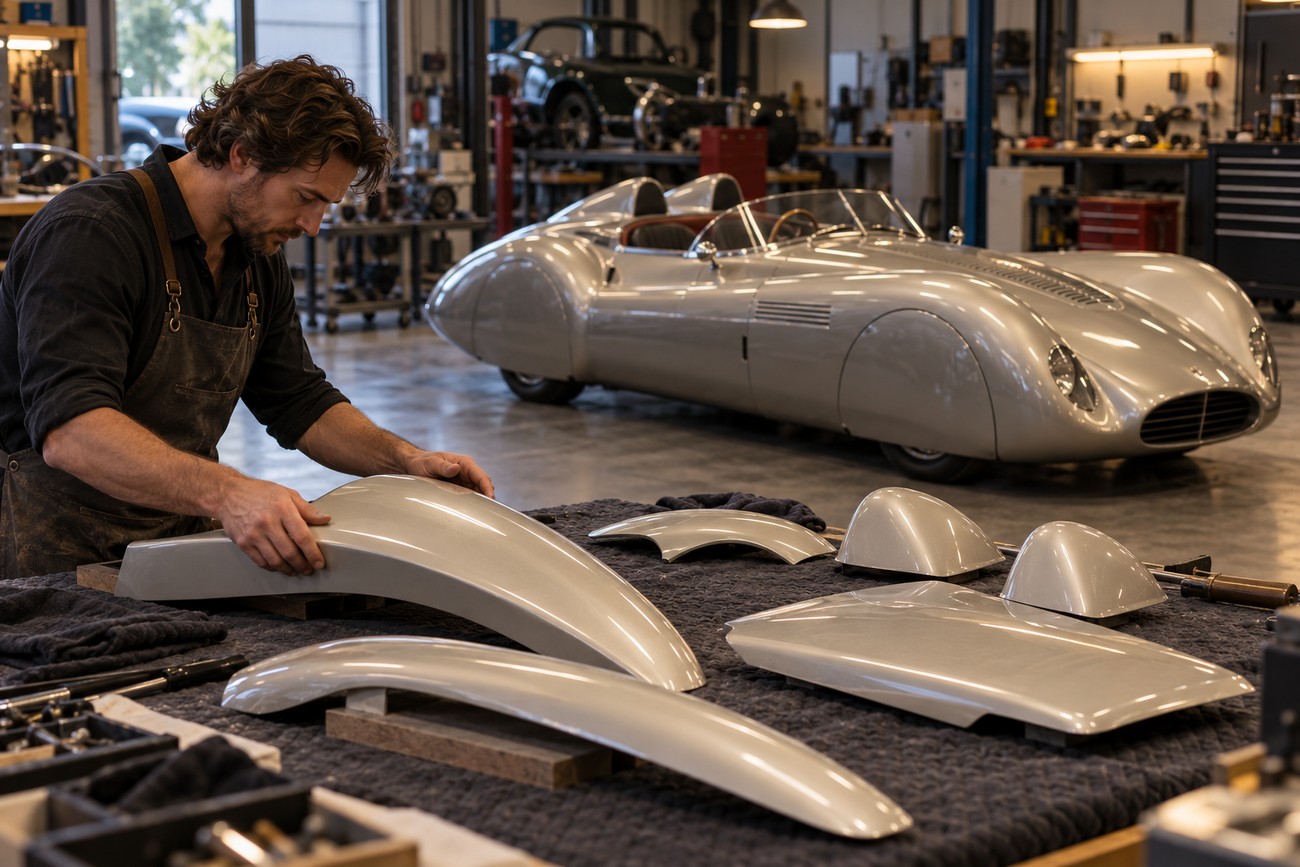
The ownership calculation is often misunderstood because common mechanical components receive most of the attention. Engine, driveline, and some suspension knowledge may be available through Commodore HSV-related experience. Original body panels, glass, seals, trim, plastics, clips, and interior components can be substantially harder and more expensive to locate.
That difference matters after minor damage. A mechanical failure may have several repair paths, while a cracked piece of unique trim or a damaged body section may require patient searching through specialist contacts, club networks, dismantles, or another incomplete car. A substitute part can also alter the appearance, fit, or future resale appeal.
Electrical details create a similar risk. Low-volume cars accumulate problems in connectors, grounds, fasteners, wiring repairs, and mounting points, especially where previous owners have adapted parts without preserving documentation. The labor can exceed the price of the component because a workshop must first understand what the original builder intended.
On a rare sports car, the small hardware often tells the repair story. Non-standard fasteners, improvised wiring, loose trim mounts, and earlier body repairs deserve inspection before anyone spends time discussing headline engine output.
Long storage can turn an apparently cheap purchase into a recommissioning project. Tires, brakes, seals, fuel systems, battery-related components, and electrical connectors can all suffer while the vehicle is stationary. Starting the engine occasionally does little to prove that the rest of the car is ready for road use.
Many workshops will also hesitate without clear records or suitable technical information. The practical cost of ownership therefore includes downtime, freight, searching, and access to a capable specialist. Fuel consumption matters, but rare parts and interrupted use often dominate the real budget.
What to Check Before Buying an MS8 Streamliner
Begin with identity and paperwork. Verify the VIN, engine number, build specification, service history, certification records, and registration history before treating the car as a finished vehicle. The documents should describe the car in front of you, including major changes made since assembly.
Inspect the unique bodywork carefully in consistent light. Look for uneven gaps, repaired mounts, stress cracks, mismatched surfaces, damaged glass, hardened seals, and trim that has been secured with improvised hardware. Cosmetic presentation can hide expensive structural or fitting work, while a less polished car with sound original parts may be the safer purchase.
The mechanical inspection still needs to be thorough. Check cold starting, operating temperatures, oil and coolant condition, brake operation, fuel-system behavior, suspension joints, driveline vibration, tire age, and the condition of the battery and electrical connectors. A car that has been stored for years needs a preservation and recommissioning assessment rather than a quick idle test.
Condition and documented history matter more than mileage alone. A low-mileage MS8 with long storage, missing records, and non-standard repairs can be financially weaker than a regularly used example that has been serviced and legally documented. Arrange access to a local specialist, club network, or donor-parts source before purchase, especially if the car is far from established support.
Finally, price the work before making an offer. Include tires, brakes, seals, fluids, fuel-system service, electrical diagnosis, transport, and the possible search for body or interior parts. The cheaper tired car can become more expensive than a sound example once downtime and rare components are included.
Registration, Market Value, and the Rarity Trap
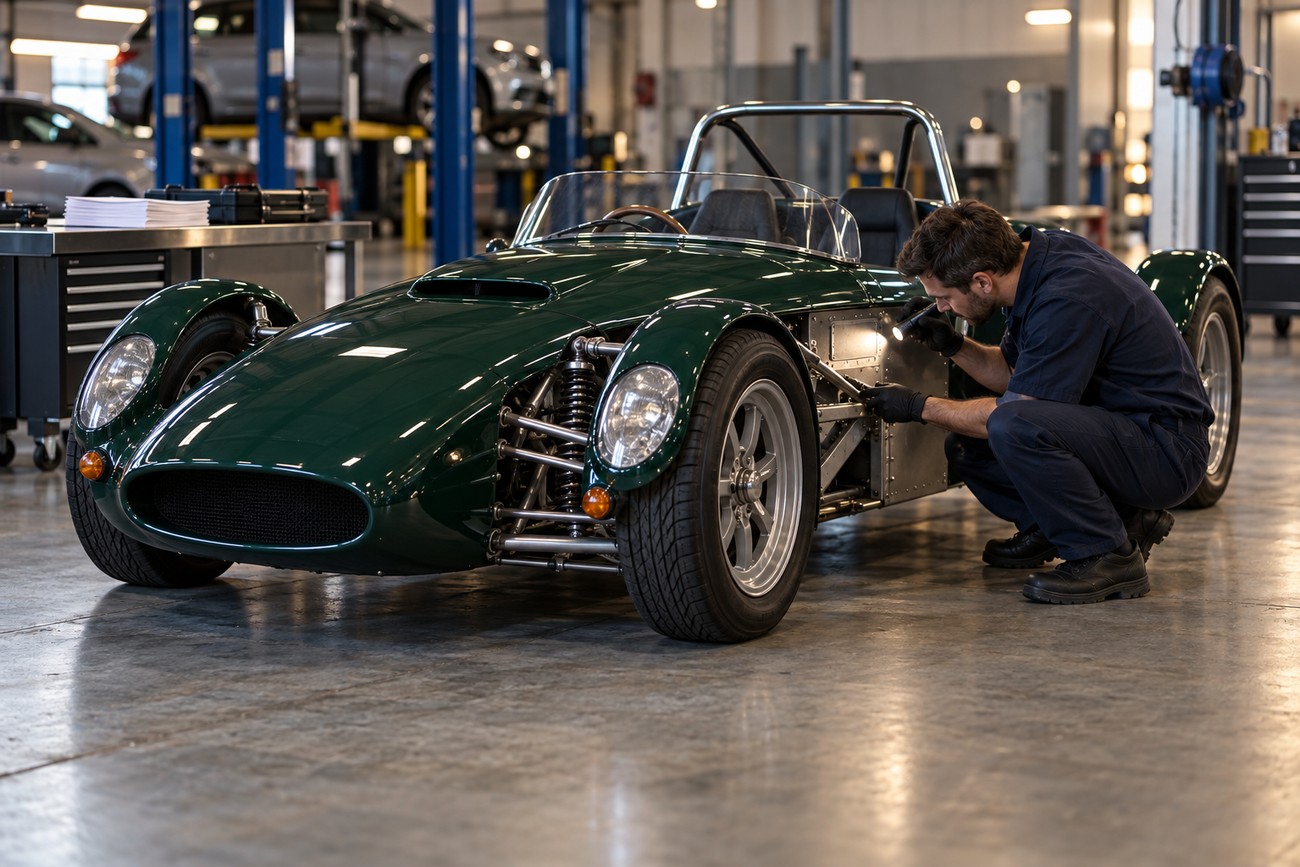
Road legality depends on the specific build year, applicable Australian Design Rules, state registration requirements, certification history, and modifications. A car that looks complete may still need clarification about its approval status or changes made after certification. State authorities and qualified registration advisers should be used where the paperwork is unclear.
Documented certification and registration history can be more valuable than perfect paint. Clear evidence that the vehicle has been accepted and maintained legally reduces uncertainty for the next owner. It also helps distinguish an unusual factory-built or certified car from one that has been altered without a supportable paper trail.
The market is narrow and generally slower than the market for mainstream Holden or Ford performance cars. There are fewer buyers who understand the model, fewer comparable sales, and greater concern about parts and servicing. A seller may need patience, strong documentation, and a realistic description of the car’s condition.
Value is driven by condition, provenance, legal status, originality, and current specialist demand more than by rarity or mileage alone. The MS8 is rare among Australian sports cars, but rarity does not guarantee investment value. An undocumented or neglected example can remain difficult to sell even when its appearance attracts attention.
Frequently asked questions
What does “poor man’s supercar” mean, and does the MS8 fit that label?
“Poor man’s supercar” is an informal comparison for a car that offers dramatic styling, strong performance, or unusual exclusivity at a lower entry point than an established exotic. The MS8 can attract that label because its shape and low-volume status create a visual impact beyond its donor-car connections.
The comparison has limits. It does not make the MS8 a substitute for a modern supercar’s refinement, electronics, dealer support, or production consistency. It describes the impression the car creates, not an official category or a guarantee of lower ownership costs.
How should an Elfin MS8 be stored if it will sit unused?
Long-term storage needs a preservation plan. Use suitable fuel-system precautions, protect the battery and electrical connectors, maintain tire condition, keep moisture away from brakes and seals, and store the car in a dry, stable environment. Periodic inspection should cover leaks, fluid condition, tire pressure, corrosion, and evidence of rodents or connector damage.
Occasional engine starts alone are inadequate. The car needs planned checks and, where appropriate, movement that allows the brakes and other systems to operate safely. Before returning it to the road, inspect the fuel system, tires, brakes, seals, and electrical components as though the vehicle were being recommissioned.
What is the rarest sports car?
There is no universal answer because “rarest” can mean the smallest production run, the fewest surviving cars, or the least accessible market. The MS8 is rare in the context of Australian sports cars, but there is no reliable basis for calling it the rarest sports car in Australia or worldwide.
What is the rarest car in Australia?
No single nationally accepted ranking identifies one definitive rarest car in Australia. Extremely limited local builds, prototypes, race-derived road cars, and surviving one-off vehicles may all qualify under different definitions. The MS8 belongs in the rare Australian sports-car conversation without needing an unsupported superlative.
What is the worst car in Australia?
There is no objective “worst” car because reliability depends on condition, maintenance, design, parts support, and the owner’s use. A neglected rare sports car can be more troublesome than a modest mass-market car, while a well-maintained example of the same model may be enjoyable and dependable.
For an MS8, the useful judgment concerns documentation, legal status, originality, and the cost of returning the individual car to reliable service. Reputation alone cannot replace an inspection.







