
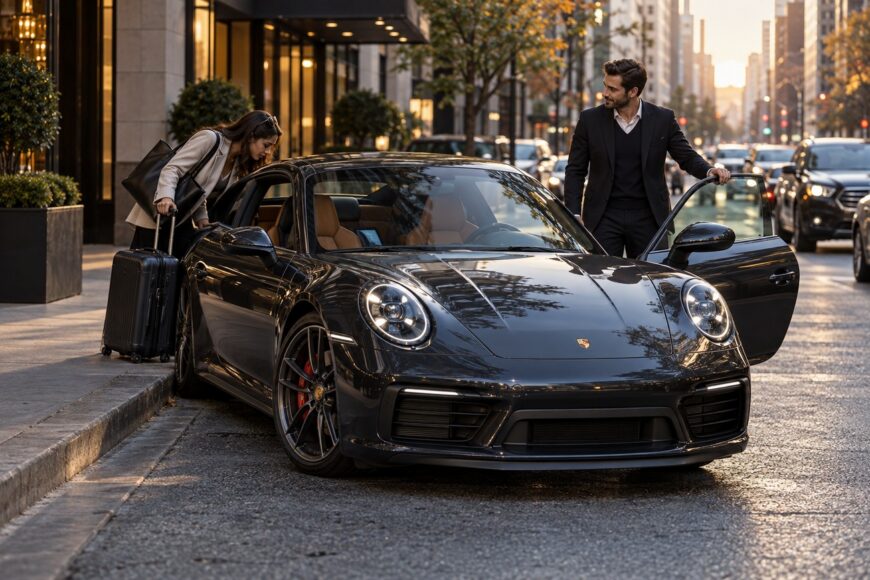
Turning a Porsche 911 into an Uber income source sounds appealing: premium passengers, a memorable car, and perhaps better fares or tips. The badge creates an immediate impression, but impressions do not pay fuel bills, insurance premiums, depreciation, or repair invoices.
The real decision depends on your local Uber market, the specific 911, and the category you intend to drive. Eligibility, passenger practicality, and operating costs can overwhelm any premium fare. A Porsche badge alone does not guarantee approval or profitable work.
- Can a Porsche 911 qualify for Uber?
- What passengers experience inside a 911
- The real economics of driving Uber in a Porsche 911
- Hidden wear, damage, and daily operating stress
- Porsche 911 vs. a typical Uber sedan
- Common myths and the smarter way to decide
- Frequently asked questions
- What cars does Uber consider luxury?
- What should I do if Uber rejects my Porsche 911 after inspection?
- How can I test whether a 911 is profitable for Uber before committing to it?
Can a Porsche 911 qualify for Uber?
Uber eligibility is market- and category-specific. Approval may depend on the vehicle year, VIN, number of doors, seat belts, condition, insurance, and inspection. A car that qualifies in one city or category may be rejected in another.
A Porsche 911 is generally a two-door vehicle with 2+2 seating. That creates an immediate problem in markets or categories that require four doors. The rear seats exist, but their limited access and space do not make the car equivalent to a conventional four-door sedan.
Luxury status does not override category rules. A Porsche badge does not automatically qualify a vehicle for Uber Comfort, Select, or Black, and the eligible-vehicle list may exclude a sports car even when its condition is excellent.
Check the exact city-specific requirements before buying, modifying, or insuring the car for rideshare. Confirm the approved model year, VIN eligibility, door requirement, insurance documents, and inspection process directly through the local Uber driver portal or support channel.
What passengers experience inside a 911
A 911 can create a strong first impression, especially for passengers who value unusual cars. The experience changes quickly if a rider must fold forward to reach the rear seat, lift luggage awkwardly, or step over a low sill. Entry and exit matter as much as the emblem on the hood.
The 911’s 2+2 layout makes the rear seats practical mainly as emergency-use seats. Older passengers, taller adults, and travelers carrying bags may prefer the front passenger seat, while a group expecting normal sedan space may cancel after seeing the cabin.
Luggage is another weak point. Depending on the specific 911 configuration, passengers may struggle with larger suitcases, and child-seat use can be difficult because of access, configuration, and limited rear space. That makes airport and family trips particularly risky from a service perspective.
Low ground clearance adds another layer of friction. Speed bumps, curbs, potholes, snow, and rough roads demand more care, while delicate-looking trim can make passengers nervous about handling the cabin. A striking car can therefore attract attention without delivering the practical expectations of a premium ride.
The real economics of driving Uber in a Porsche 911
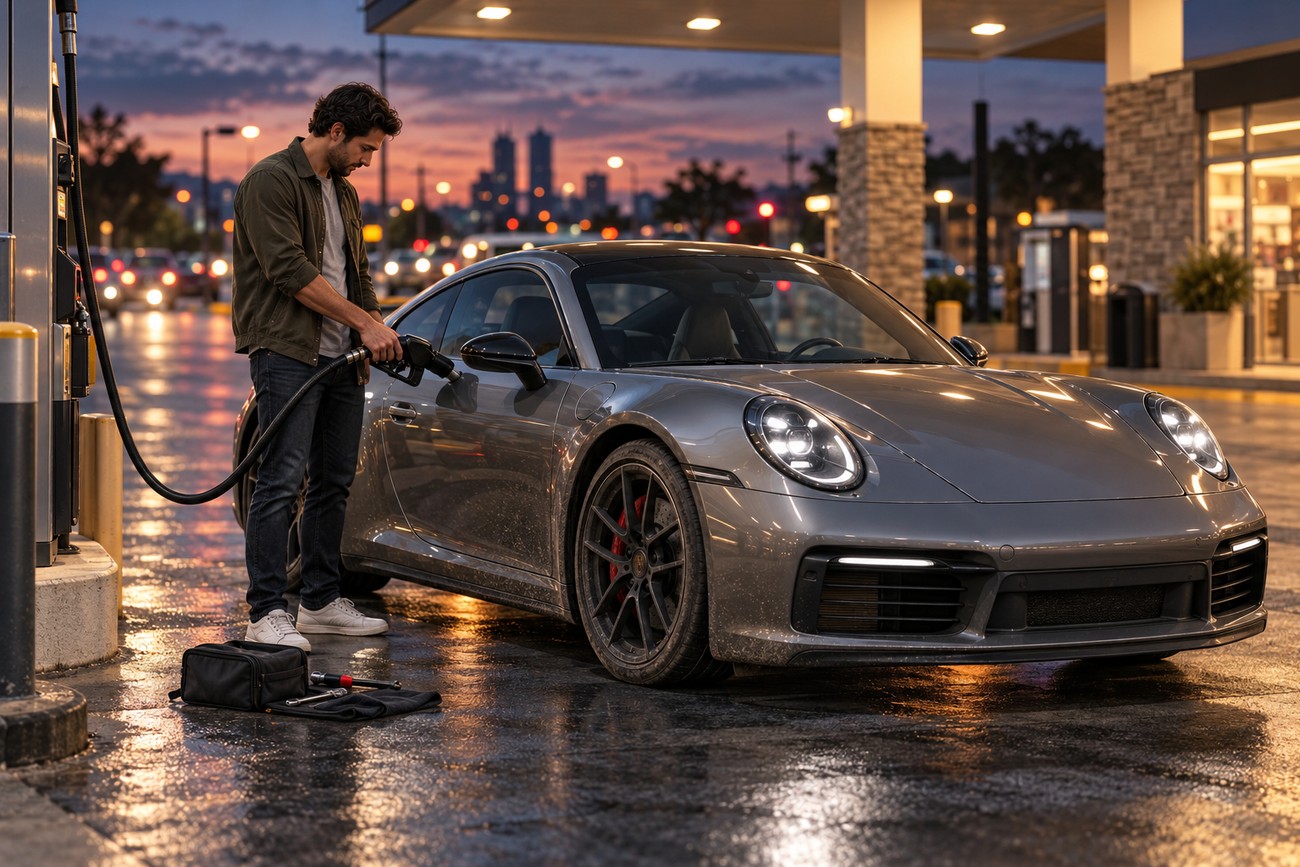
Gross fare is only the starting point. Real-world urban rideshare fuel use is generally higher in a 911 than in a typical mass-market sedan, especially in traffic and on short trips. Advertised performance and fuel figures say little about repeated idling, stop-start acceleration, and low-speed congestion.
Insurance can remove much of the apparent premium. Rideshare insurance generally costs more than personal-use insurance, and a premium sports car may require separate commercial or ride-hailing coverage. Fuel, parking, cleaning, insurance, depreciation, and maintenance must be assigned to the actual hours and miles you expect to drive.
Short trips can be particularly damaging because they combine low fare potential with repeated loading, unloading, idling, and parking exposure. Cancellations are also costly when the passenger rejects the cramped rear seats or the car cannot handle the requested luggage. A busy screen in the driver app does not guarantee useful utilization.
Premium tips are possible, but they are inconsistent. Some passengers may appreciate the unusual car, while others expect limousine-level service or dispute the fare just as they would in a standard Uber. Treat tips as variable income, never as a fixed return on the Porsche investment.
Build the decision from local data: category rates, average trip length, idle time, fuel consumption in traffic, parking costs, insurance quotes, cleaning, depreciation, and likely brake, tire, clutch or transmission, and suspension wear. If the result only works with optimistic tips and perfect utilization, the business case is already weak.
Hidden wear, damage, and daily operating stress
Urban rideshare duty can accelerate wear on brakes, tires, clutch or transmission, and suspension compared with a typical work sedan. Stop-start driving adds mechanical workload without giving the car much opportunity to use the performance that attracted you to it.
Minor damage can also be disproportionately expensive. A scraped wheel, damaged bumper, chipped light component, or small body mark may cost far more to correct on a costly sports car than on a mass-market sedan. One careless curb contact can erase much of the margin from ordinary trips.
Low clearance makes potholes, curbs, speed bumps, snow, and slush a daily concern. Rain and dirt create additional cleaning work, and a neglected exterior or interior quickly weakens the premium impression passengers were paying to experience.
Passenger handling adds stress that is difficult to capture in a spreadsheet. People may drag luggage against trim, enter without checking their shoes, or sit down carelessly. The result is a driver who spends the shift protecting the vehicle instead of concentrating on efficient trip selection.
Porsche 911 vs. a typical Uber sedan
The comparison below describes operating tendencies, not universal eligibility. Local Uber rules and category requirements remain decisive.
| Factor | Porsche 911 | Typical mass-market sedan |
|---|---|---|
| Doors | Generally two doors; some markets or categories require four. | Usually four doors, which better matches common passenger-access rules. |
| Seating | 2+2 layout, with rear seats practical mainly as emergency-use seats. | Designed for regular adult passenger use across both rows. |
| Passenger access | Front access is manageable; rear access is restricted and awkward. | Rear doors make loading and unloading simpler. |
| Luggage and child seats | Limited practicality for larger luggage and child-seat use. | Generally more suitable for luggage, families, and child seats. |
| Fuel use | Generally higher in urban rideshare work, especially in traffic and on short trips. | Usually easier to operate economically during stop-and-go work. |
| Insurance | Rideshare coverage may be costly, with separate commercial or ride-hailing coverage possible. | Rideshare coverage is still required where applicable, but the vehicle may carry lower risk costs. |
| Wear and damage | Higher exposure to costly wear on brakes, tires, transmission, suspension, wheels, and body components. | Usually simpler and less expensive to keep in high-utilization service. |
| Long-shift suitability | More demanding, especially on poor roads, in bad weather, and with frequent passenger loading. | Normally more practical for long urban shifts and regular rideshare volume. |
| Best operating fit | Potentially an eligible premium category or private work, depending on the market. | Usually better suited to mass-market rideshare, subject to local approval. |
Common myths and the smarter way to decide
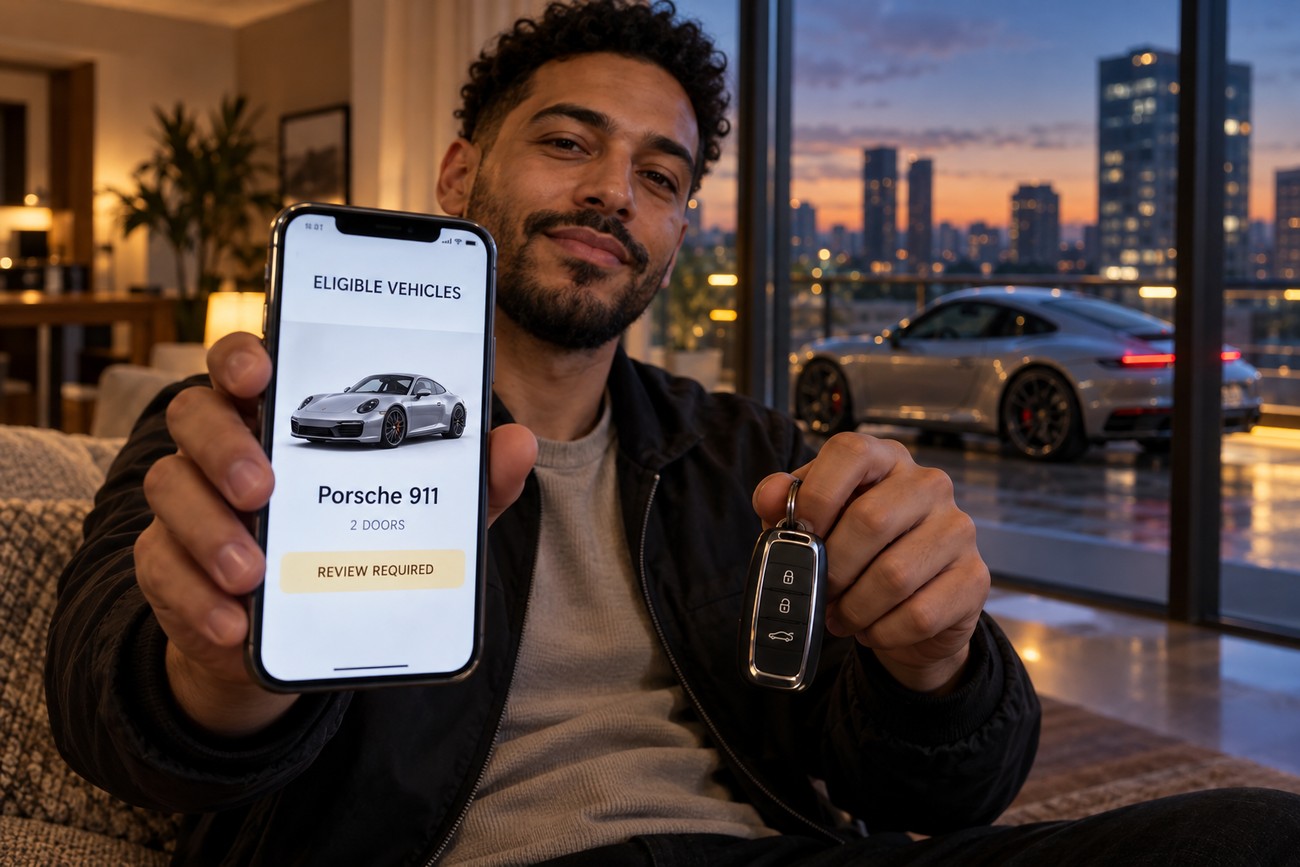
The first myth is that any Porsche automatically qualifies for luxury Uber. In reality, luxury-category eligibility comes from the local eligible-vehicle list and category rules. Year, VIN, doors, insurance, condition, and inspection can matter more than purchase price or brand prestige.
The second myth is that a sports car always earns better tips. An unusual vehicle may encourage a generous passenger, but the effect is unreliable. Some riders value the experience, while others care only about pickup time, comfort, luggage space, and the fare shown in the app.
A more expensive car can raise operating costs faster than revenue. The 911 is also not simply a faster sedan: its 2+2 layout, low clearance, limited luggage practicality, and more expensive wear items change the entire working pattern.
A separate vehicle can make the 911 easier to protect from poor weather, rough roads, and long shifts. Keeping the sports car for suitable premium or private work may preserve both its condition and your operating margin.
Before committing, complete a practical check:
- Verify the exact Uber category, model-year, VIN, door, insurance, and inspection requirements in your city.
- Obtain a rideshare insurance quote for the specific 911, rather than using a personal-policy estimate.
- Estimate fuel, parking, cleaning, depreciation, and wear from real local trip patterns.
- Test passenger entry, rear-seat access, luggage, and child-seat practicality.
- Consider another vehicle for bad weather, poor roads, and long high-utilization shifts.
- Compare mass-market rideshare with an eligible premium category or private work.
Frequently asked questions
What cars does Uber consider luxury?
Uber considers vehicles listed as eligible for a specific luxury category in a particular city. The list and operating rules may cover model year, body style, condition, insurance, inspection, and other requirements.
A premium badge or high purchase price is not enough. Check the local eligible-vehicle list for the exact model and category before assuming that a Porsche 911 qualifies for Comfort, Select, or Black.
What should I do if Uber rejects my Porsche 911 after inspection?
Start by obtaining the exact rejection reason in writing or through the driver support record. Confirm whether the issue concerns the vehicle list, model year, VIN, number of doors, seat belts, condition, inspection result, or insurance documentation.
Compare that reason with the local category rules and correct documentation errors first. Avoid spending more on repairs, modifications, or commercial coverage until Uber confirms that the vehicle can be approved; a Porsche should not be treated as approved merely because it passed a general inspection.
How can I test whether a 911 is profitable for Uber before committing to it?
Use a limited real-world trial with an already owned or legally available vehicle, where permitted. Log completed trips, idle time, fuel consumed, parking, cleaning, cancellations, and the practical time required for passenger loading.
Also record exposure to rough roads and the condition of the tires, brakes, suspension, and interior afterward. Compare the results with a typical sedan during the same local demand period. This reveals whether the 911 earns through actual utilization or only appears profitable under optimistic fare and tip assumptions.







