
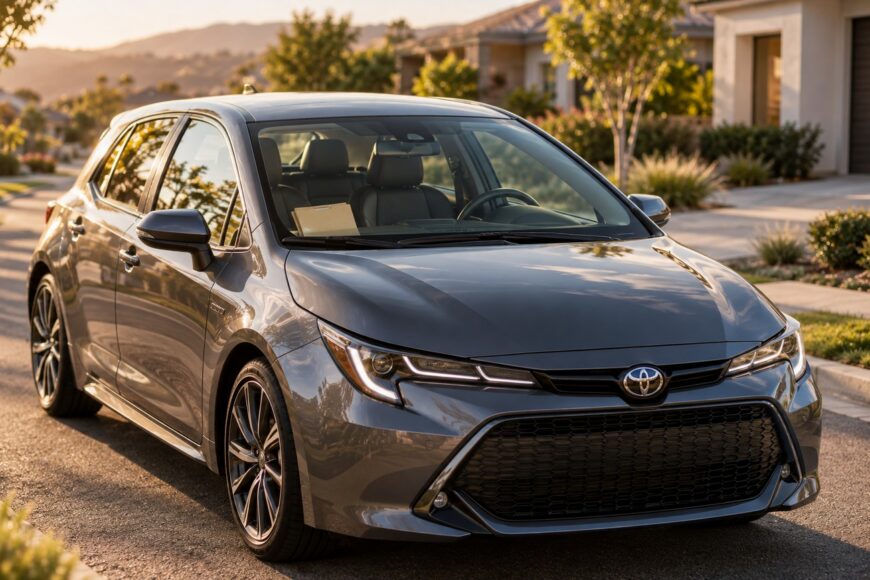
Driving a right-hand-drive Toyota in the US is not automatically illegal. Owning one legally and enjoying it as a daily driver are separate questions, though. A rare Japanese-market Toyota can be appealing, but its steering position affects passing, left turns, toll booths, and parking gates long after the import paperwork is complete.
The bigger risk is buying a car whose paperwork cannot support permanent registration. Even a properly imported Toyota may take more effort to insure, repair, and eventually sell than a comparable left-hand-drive car. The decision starts with the vehicle’s legal status, then turns to whether you can live with its everyday compromises.
- Is It Legal to Drive a Right-Hand-Drive Toyota in the US?
- Import and Registration: The 25-Year Rule Is Only the Starting Point
- RHD Toyota Import and Registration Checkpoints
- What Driving an RHD Toyota Feels Like on US Roads
- Safety, Inspection, and Practical Adaptations
- Insurance, Service, and Resale: The Costs Most Buyers Miss
- A Pre-Purchase Decision: Who Should Buy One?
- Common Myths About Driving RHD Cars in America
- Frequently asked questions
- How hard is it to drive RHD in the USA?
- What is the $3000 rule for cars?
- What color car is least stolen?
Is It Legal to Drive a Right-Hand-Drive Toyota in the US?
The US has no federal blanket ban on operating a right-hand-drive vehicle on public roads. Its steering position alone does not determine whether it can be driven legally. The vehicle must meet applicable federal safety and environmental requirements and have valid registration and insurance.
Import approval is a different issue from road use. A Toyota may be physically present in the US without having entered under a status that permits permanent registration. A title also deserves scrutiny: it does not, by itself, establish that every federal import requirement was satisfied.
DMV requirements vary by state, from VIN, insurance, and fee checks to more demanding reviews of federal compliance, title, inspection, and import history. That difference matters before you pay for a car or arrange shipping, because a smooth registration in one state does not promise the same outcome in another.
USPS, utility, and other specialized right-hand-drive vehicles operate legally in many states. They demonstrate that right-hand drive itself is permitted, while saying nothing about the eligibility of a particular imported Toyota. Check the individual car rather than relying on the existence of other RHD vehicles.
Import and Registration: The 25-Year Rule Is Only the Starting Point
Vehicles older than 25 years may generally be imported without full compliance with current US safety standards, subject to applicable procedures. The age threshold concerns federal import requirements; it is not an automatic registration approval. Confirm the vehicle’s manufacture date and entry documents before treating it as eligible.
Emissions rules require a separate check. An older vehicle may qualify for an EPA exemption under different age and original-configuration conditions, so reaching 25 years should not be treated as a blanket waiver of every environmental requirement. The importer still needs to make the correct declarations and retain evidence of lawful entry.
For a vehicle under 25 years old, permanent import generally requires a demanding federal compliance pathway. Where eligibility depends on comparison with a certified left-hand-drive version, the manufacturer must establish to NHTSA that the RHD version is substantially similar. Do not assume that a similar model name, shared engine, or familiar body shape provides that confirmation; EPA requirements must also be addressed.
A temporary import, parts-only vehicle, or noncompliant gray import may not qualify for permanent registration. Salvage status presents a separate title and inspection concern. Before payment, check the VIN and title history, request the import and compliance documents, ask your state DMV what it will accept, and obtain an insurance decision for that exact vehicle.
RHD Toyota Import and Registration Checkpoints
Use these checkpoints to identify what needs verification before purchase; neither vehicle age nor a document in isolation guarantees state approval.
| Vehicle | Federal issue | Documents to verify | Likely DMV risk | Ownership implication |
|---|---|---|---|---|
| Toyota older than 25 years | May generally use the age-based safety import exemption; check the separate EPA requirements and import procedures. | Manufacture date, entry and exemption paperwork, VIN, title, and insurance confirmation. | State may still require acceptable title, VIN, insurance, and inspection records. | Potentially viable, with parts and inspection demands to budget for. |
| Toyota under 25 years with documented federal compliance | Requires a valid, more demanding safety and emissions compliance pathway, including applicable NHTSA documentation. | Federal compliance and entry records, VIN, title history, and insurance confirmation. | Expect closer review of how the specific car became eligible. | Proceed only when the documentation supports permanent use. |
| Vehicle with unclear or nonconforming import status | Temporary, parts-only, or unsupported import status may prevent permanent registration. | Original entry records, declared import status, VIN, and complete title history. | High risk of delay or refusal; a title alone may not settle the issue. | A low asking price can leave you with a car you cannot register for ordinary use. |
Ask the seller for documents that connect the VIN on the car to its entry and title history. If the explanation changes between “collector import,” “parts car,” and “already titled,” pause until the records establish what actually happened. A paid intermediary’s assurance is no substitute for those records.
Check with the DMV in the state where you intend to register the Toyota, including any required inspection. That inquiry is useful even for an older, apparently eligible car: the federal import threshold and the state’s paperwork process answer different questions.
What Driving an RHD Toyota Feels Like on US Roads
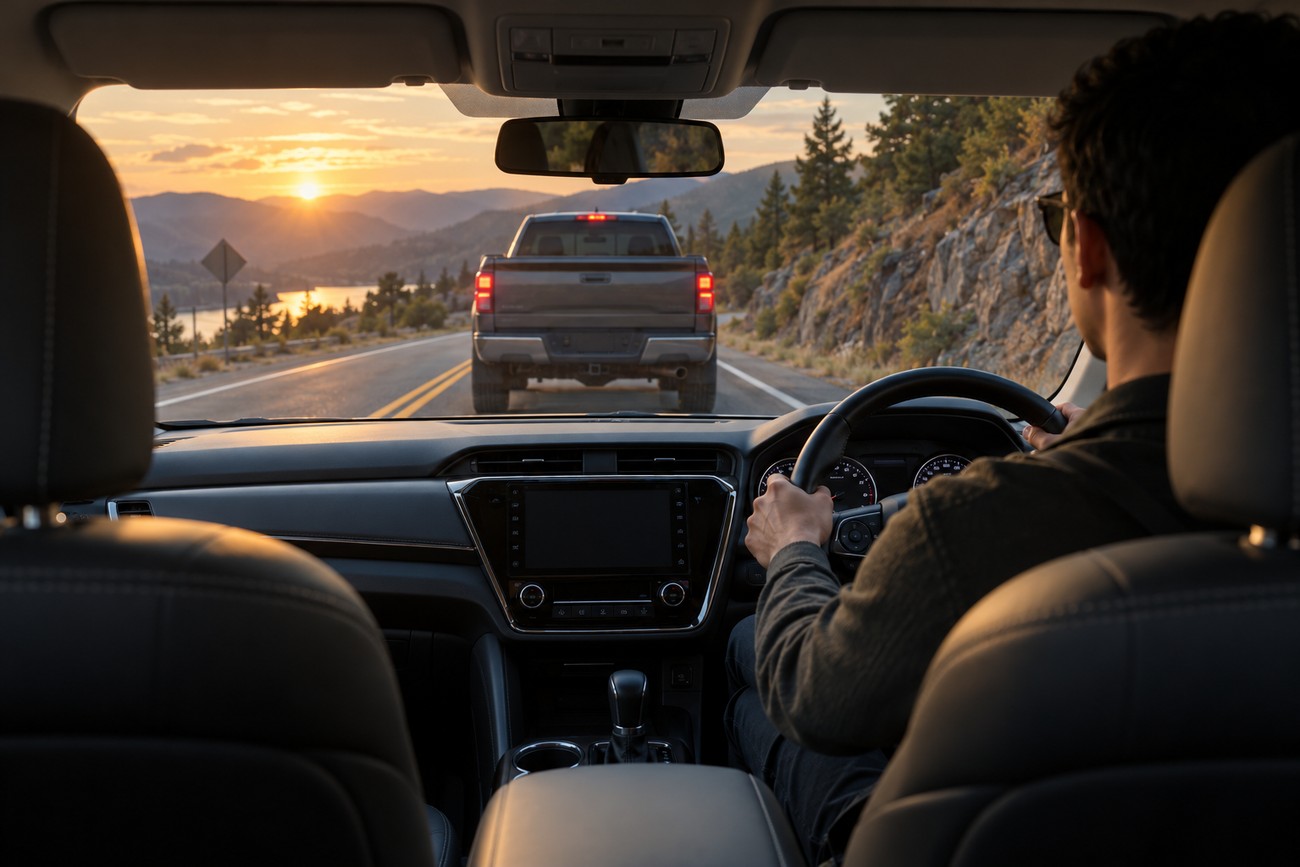
US roads and traffic rules are designed for right-side traffic and are not adapted to the driver’s RHD seating position. At first, lane placement and merging may demand more deliberate checks because you judge distances from the opposite side of the cabin. Familiarity helps, but it does not move the driver closer to the centerline.
That position matters most when passing on a two-lane road. A vehicle ahead can block your view of opposing traffic until you move farther left, which is precisely when you need reliable information. Some left turns across traffic present a similar problem, especially when another vehicle obstructs the sightline.
A cautious driver leaves more space, passes less often, and waits for a clear left-turn opportunity rather than edging into a marginal gap. Mirrors and cameras can help with adjacent areas, yet neither makes it safe to pass without a clear view down the road. Choose a route or wait when the view is blocked.
Daily errands bring smaller, persistent inconveniences. Toll equipment, parking gates, payment terminals, and drive-through windows commonly face a left-seat driver. Reaching across an empty cabin or getting out at a barrier is manageable occasionally; on a regular commute, it becomes part of the ownership experience.
Safety, Inspection, and Practical Adaptations
A Japanese-market RHD Toyota may differ from a US-specification Toyota in crash protection, airbags, bumpers, deformation zones, lighting, and markings. Similar-looking vehicles are not necessarily built to identical specifications. Avoid assuming that a US-market crash result or parts listing applies to the imported version.
Inspection is another place where the exact configuration matters. Some states review lighting, glass, seat belts, and other equipment more closely than others. Before buying, compare the car’s actual equipment with the requirements where it will be registered, rather than planning to resolve a failed inspection after delivery.
Carefully adjusted mirrors, an additional left-side mirror, or a camera can improve awareness around the car. Position each aid so it supports a direct visual check and does not encourage you to rely on a screen during a demanding maneuver. These additions do not establish federal compliance or correct a difference in passive-safety design.
For a test drive, include ordinary junctions and lane changes as well as the open road. That reveals whether you can judge the Toyota’s left side comfortably and whether an existing camera provides a useful view. Keep the assessment grounded in the roads you will actually use, particularly if your routine includes two-lane passing or busy left turns.
Insurance, Service, and Resale: The Costs Most Buyers Miss
Some insurers cover RHD vehicles normally, while others may charge more or decline coverage because of unusual configuration, VIN history, or limited risk data. There is no dependable standard surcharge. Obtain a quote and an explicit acceptance decision using the actual VIN before money changes hands.
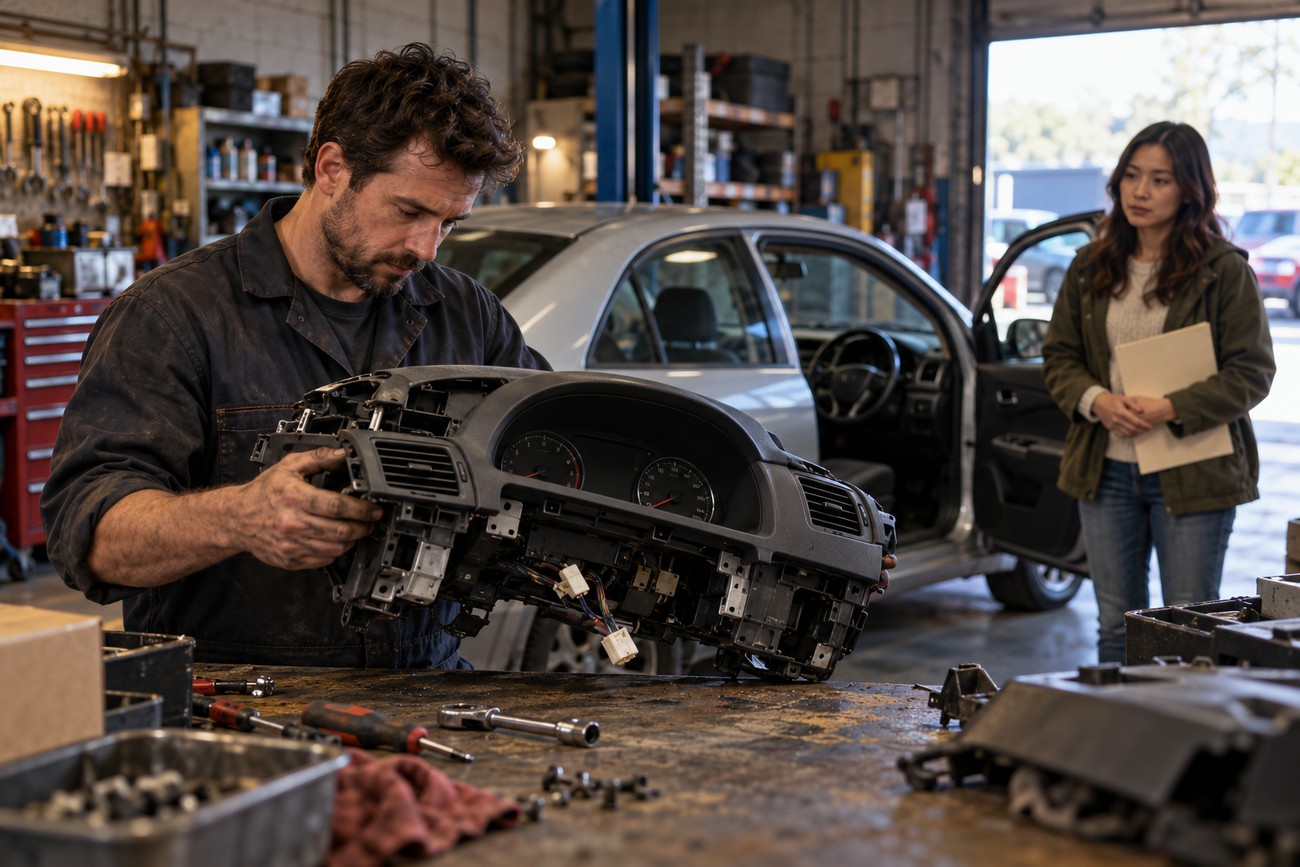
Service can be less predictable than it is for a US-market Toyota. RHD-specific body, interior, steering, wiring, and diagnostic parts may be less available, slower to source, or more expensive than LHD Toyota parts. Even a routine repair can wait on the correct component if a workshop initially orders by model name alone.
Ask a prospective workshop whether it can identify parts for the Japanese-market configuration and perform the diagnostics the car needs. Some dealer diagnostic systems may not fully support that configuration, and familiarity with a left-hand-drive counterpart is no guarantee. Confirm support before a fault leaves the car off the road.
Financing may also take extra work if a lender is cautious about an unusual import or its valuation. At resale, the US market for RHD Toyotas and other JDM vehicles is small, so the buyer pool is generally narrower and the car less liquid than a comparable LHD Toyota. Plan for a longer sale rather than treating rarity as a reliable return on your purchase.
A Pre-Purchase Decision: Who Should Buy One?
Start with a document file, not a deposit. Confirm import eligibility, the VIN and title history, your state’s registration and inspection requirements, and insurance acceptance for the actual car. Resolve missing records before it arrives; an attractive purchase price cannot remove a federal or state compliance problem.
Next, find out who will maintain it and how they will obtain RHD-specific parts. Ask about steering, body, interior, and electrical components, not only common engine service. Consider how long you could manage without the Toyota if a part had to be sourced from Japan.
An enthusiast or collector who accepts specialized service, awkward infrastructure, and limited resale options may find those trade-offs worthwhile. A commuter who depends on predictable repairs, straightforward financing, and easy resale has stronger reasons to choose a left-hand-drive car. The deciding factor is whether the Toyota fits your routine after the novelty wears off.
Common Myths About Driving RHD Cars in America
“All RHD cars are banned” confuses steering position with import eligibility. The US has no federal blanket ban on operating a right-hand-drive vehicle on public roads. Federal compliance, lawful entry, state registration, and insurance determine whether a particular Toyota can be used.
“Any Japanese-market car can be imported easily” overstates the 25-year rule. That threshold may simplify the safety import pathway for an older vehicle, subject to the required procedures, while younger and undocumented vehicles face different hurdles. Paperwork that cannot establish the car’s status remains a serious purchase risk.
Claims that RHD is safer for passing do not translate into a general rule for US roads. With traffic keeping right, LHD generally gives a more natural sightline for passing and many left-turn situations. An RHD driver can adapt their decisions, but should not count on seating position as a safety advantage.
Insurance is equally unsuitable for a blanket claim: one owner may obtain an ordinary policy, while another faces a higher quote or a refusal. Legal possibility is the starting point. Practical suitability depends on the exact car, its documents, and the demands of your daily driving.
Frequently asked questions
These answers address a few questions that arise outside the import paperwork itself. For any specific Toyota, its VIN, documentation, and intended state of registration remain the basis for a decision.
How hard is it to drive RHD in the USA?
Most basic controls remain familiar, but you need time to recalibrate lane position and sightlines from the right seat. Begin on quiet roads, then practice junctions and parking before using it in dense traffic. If you plan to take a DMV road test in the car, ask the testing office in advance about its vehicle requirements and procedures; the evaluator may be more accustomed to a left-hand-drive layout.
What is the $3000 rule for cars?
There is no universal federal $3,000 rule that automatically makes an RHD Toyota legal to import or register. A quoted dollar amount cannot replace the vehicle’s age, entry status, applicable federal requirements, or state documentation. Ask anyone invoking the rule to identify the specific law or program they mean before relying on it in a purchase.
What color car is least stolen?
There is no dependable single color that makes a car the least likely to be stolen in every place or vehicle category. Color is a poor basis for choosing an imported Toyota; assess the vehicle’s security, where you will park it, and the theft coverage available for its agreed or assessed value. Confirm that coverage with the insurer before assuming a rare paint color reduces the risk.







