
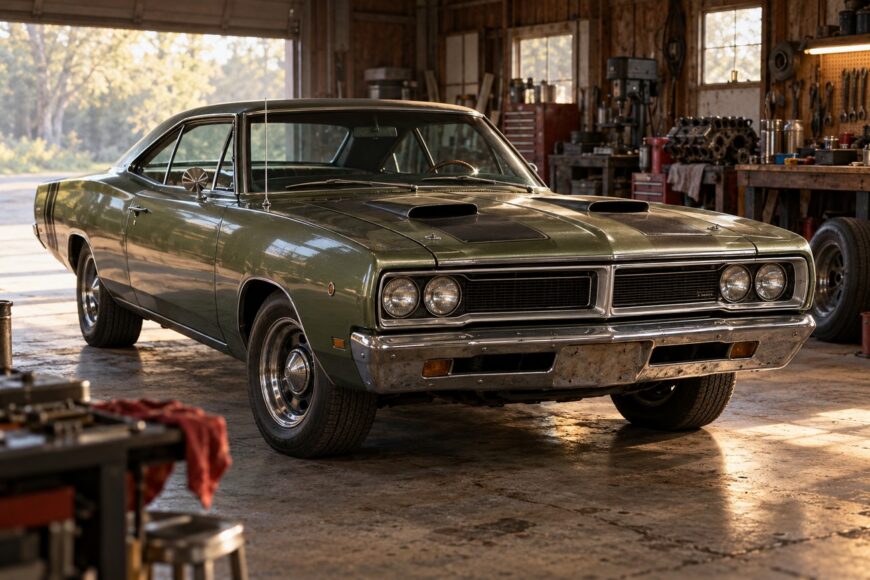
The Dodge Super Bee was created as an affordable, stripped-down muscle car. That original mission makes its modern market position hard to reconcile: authentic examples, incomplete cars, and even rough restoration projects can now cost serious money.
Your realistic choice usually falls between three very different cars: a documented 383 Super Bee for usable classic performance, a rare 426 Hemi car for collecting and preservation, or a 2007–2009 LX Super Bee for modern SRT-based speed. Paint, stripes, badges, and a loud engine do not prove factory identity, originality, or value.
- What the Dodge Super Bee Was Built to Be
- From Coronet to Charger: Super Bee Generations Explained
- 383, 440, and Hemi: Which Engine Makes the Best Super Bee?
- Performance Without the Brochure Fantasy
- The Budget Muscle Car Myth: Purchase Price Versus Ownership Cost
- How to Tell a Real Super Bee From a Clone
- Rust, Repairs, and the Hidden Cost of a Pretty Car
- Common Buying Mistakes and Sensible Upgrades
- Which Super Bee Makes Sense for You?
- Frequently asked questions
- What is the rarest Dodge muscle car?
- How much is a Dodge Super Bee worth today?
What the Dodge Super Bee Was Built to Be
The Super Bee debuted on the Dodge Coronet for the 1968 model year as a performance-focused package with a price-conscious brief. Dodge aimed at buyers who wanted acceleration and a strong visual identity without paying for extensive luxury trim. The formula was simple: a large-displacement V8, suitable transmissions, limited decoration, and a body built for straight-line performance.
That approach placed the Super Bee in the same broad market as other low-cost muscle cars. In 1969, the Super Bee was positioned below the related Plymouth Road Runner in price. Its appeal came from the amount of performance hardware attached to a relatively plain package, rather than from rich upholstery, extensive sound insulation, or elaborate exterior detailing.
The phrase “go, not show” remains useful when examining an original car. Restrained trim, basic interior materials, and limited cosmetic extras can support the car’s period identity. A heavily decorated example with mismatched parts may look impressive while revealing little about how it left the factory.
The original package also explains why condition varies so widely today. These cars were often driven hard, stored poorly, and modified during decades when originality had little financial importance. A plain-looking, well-documented Super Bee can be more significant than a fresh repaint with attractive graphics and uncertain paperwork.
From Coronet to Charger: Super Bee Generations Explained
The name began with the Coronet, appeared on the Charger for the 1971 model year, and returned in modern form on LX-era performance models from 2007 through 2009. Those applications share a badge and performance-minded identity, while their platforms, engineering, and ownership demands differ substantially.
| Version | Platform and period | Engine context | Performance hardware | Best fit for the buyer |
|---|---|---|---|---|
| 1968–1969 Coronet Super Bee | B-body Dodge Coronet | 383 Magnum V8 standard in the early period; 426 Hemi available | Period manual or automatic transmissions, large-displacement rear-wheel-drive muscle-car layout | Classic-car driving, restoration, and documented originality |
| 1971 Charger Super Bee | Dodge Charger | Large-displacement V8 options depending on specification | Charger-based performance package with period chassis and braking limitations | Buyers who specifically prefer the Charger body and later B-body styling |
| 2007–2009 LX Super Bee | LX-era Charger-related performance model | 6.1-liter Hemi V8, approximately 425 hp net | SRT8-based specification, Brembo brakes, sport suspension, and distinctive graphics | Modern performance with classic Super Bee styling cues |
The early Coronet cars are the foundation of the Super Bee’s reputation. They use traditional unibody construction, rear-wheel drive, leaf-spring rear suspension, and period V8 hardware. Their light weight helps the car feel forceful, although the same design brings noise, heat, and less predictable handling than a modern performance car.
The 1971 Charger version belongs to a later stage of the B-body story. It can be attractive to buyers who prefer Charger styling, yet its badge should still be authenticated through factory documentation. A Charger wearing Super Bee graphics is not automatically a factory Super Bee.
The modern revival is a different ownership proposition. The LX Super Bee was based on the SRT8 specification, with a 6.1-liter Hemi, Brembo brakes, sport suspension, and distinctive graphics. It was a complete performance model rather than merely a visual trim package, so its service costs resemble those of an SRT-level car.
383, 440, and Hemi: Which Engine Makes the Best Super Bee?
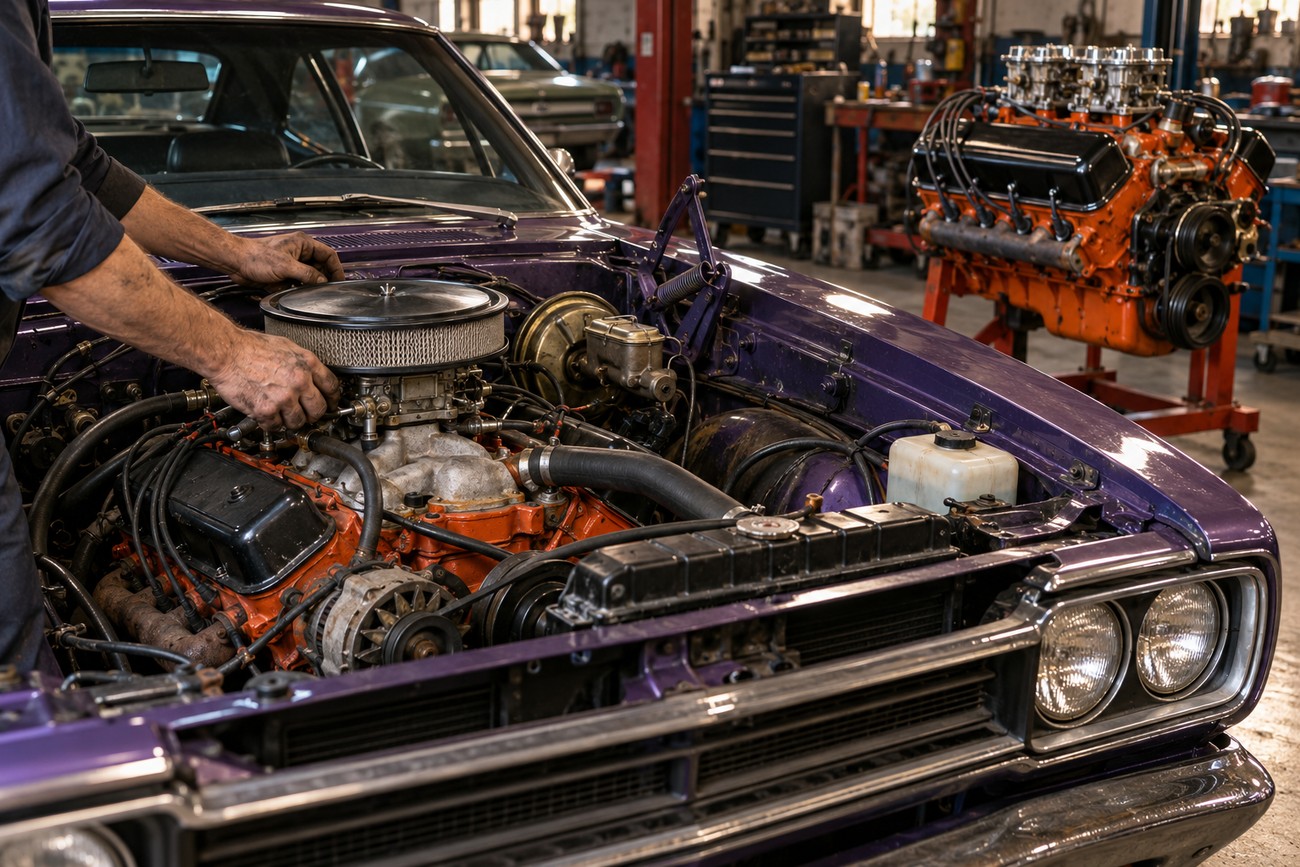
The 383 Magnum V8 was the base early engine and carried a rating of approximately 335 hp SAE gross. The available 426 Hemi was rated at approximately 425 hp gross. These period gross ratings were measured under conditions that differ from modern net horsepower ratings, so they should not be compared directly with later engine figures.
For most buyers, the 383 remains the most practical choice. It offers strong period performance, broad parts support, simpler service requirements, and a lower entry point than a correctly documented Hemi car. It provides a strong balance of cost, reliability, serviceability, and performance.
The 440 can produce formidable performance and may suit a buyer who wants more displacement without pursuing Hemi-level rarity. It still brings fuel, cooling, drivetrain, and traction demands. A 440 project becomes less rational if the body requires extensive metalwork or if the transmission and rear axle were never matched to the engine.
A 426 Hemi Super Bee belongs in a different category. Its rarity, documentation, and matching components can create a strong collector premium, while maintenance and restoration are considerably more expensive than with a 383. The Hemi is compelling as a historically important car; it is rarely the sensible starting point for a first budget restoration.
Performance Without the Brochure Fantasy
Reported drag-racing results place a properly prepared 383 Super Bee in the low-14-second quarter-mile range. Hemi cars are commonly reported in the low-13-second to high-12-second range. These figures depend on gearing, transmission choice, tire grip, engine condition, preparation, track conditions, and driver skill.
The period horsepower figures also need careful handling. The 383’s approximately 335 hp SAE gross and the Hemi’s approximately 425 hp gross describe an older testing convention. Modern net figures account for a different measurement method, so a direct numerical comparison can create a false impression of relative output.
Original cars commonly weigh approximately 1,600–1,700 kg, depending on configuration. That mass helps explain their straight-line character, yet a light classic body does not automatically deliver modern control. Braking, tire technology, suspension geometry, and chassis condition determine how confidently the car handles the speed it can produce.
Some LX owners report approximately 4.7 seconds from 0–60 mph, compared with roughly 5.0 seconds cited in official figures. Those quicker numbers are individual measurements and are not comprehensively verified. Weather, surface preparation, launch technique, tire condition, and measurement equipment can easily change the result.
The Budget Muscle Car Myth: Purchase Price Versus Ownership Cost
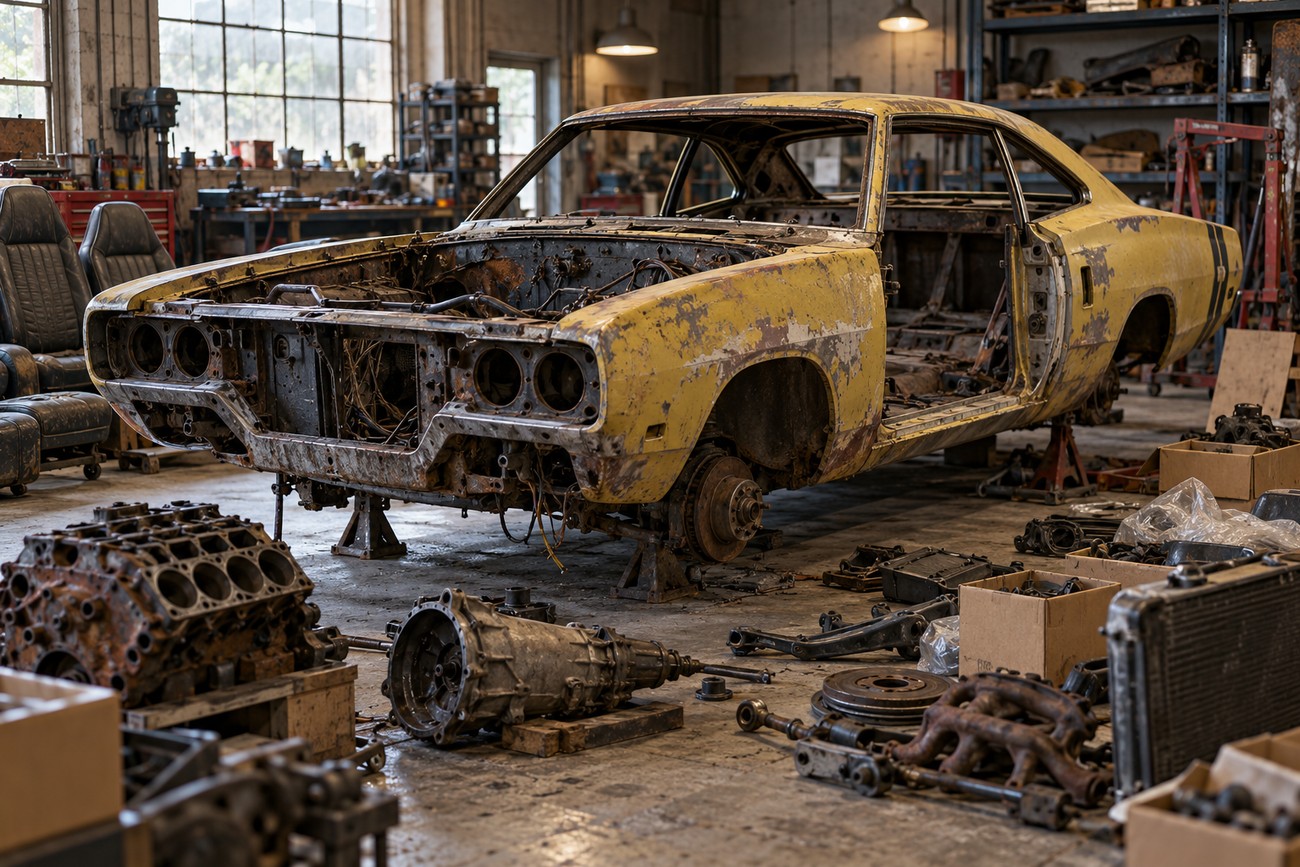
“Budget” accurately describes the Super Bee’s original market position. It does not describe every example available today. Collector demand, scarce factory combinations, restoration labor, and the cost of correct trim have pushed many authentic cars beyond the practical meaning of a budget muscle car.
A rough project can be financially dangerous because the purchase price reveals little about the metal hidden beneath the paint. Body repairs, structural work, wiring, drivetrain rebuilding, interior parts, and correct badges can consume far more money than a casual buyer expects. A cheap shell may become an expensive way to obtain an incomplete car.
Fuel is another permanent cost. Large-displacement early cars and LX Hemi models can reach or exceed 20–25 L/100 km during active urban driving. Insurance and taxes may also reflect power, rarity, and local classification, reducing the value of the original low-cost concept.
The LX Super Bee carries modern performance hardware, and that hardware has modern performance-car prices. SRT-level brake discs, tires, suspension components, and drivetrain service can make routine ownership substantially more expensive than maintaining an ordinary Charger.
Documentation and specification affect the market as much as appearance. Authentic Hemi examples, correct factory colors, matching numbers, and strong provenance can command collector premiums. A buyer should compare the total ownership plan—purchase, inspection, repairs, parts, storage, fuel, insurance, and taxes—rather than judging affordability from the asking price alone.
How to Tell a Real Super Bee From a Clone
Start with the VIN, then compare the fender tag, build sheet, factory codes, engine, transmission, and major body details. These records must agree with one another. A bee emblem, stripe package, fresh paint job, or claimed engine swap provides very little evidence by itself.
Matching numbers can materially affect collector value, especially on rare engine and transmission combinations. Verify the numbers rather than accepting a seller’s description. A correct-looking engine bay may contain a replacement block, mixed accessories, or components borrowed from another Mopar model.
Require code and document matching before evaluating paint, badges, or claimed engine originality. Every unverified factory detail should be treated as a potential cost risk.
Factory color and trim information can help identify an altered car, although a color change does not automatically make the vehicle illegitimate. The important issue is whether the car’s current specification is documented and honestly represented. A factory Super Bee that was repainted may still have far more value than a standard Coronet converted into a convincing tribute.
Cars restored outside the United States often contain mixed Mopar components because original panels, moldings, emblems, and mechanical parts can be difficult to source. That does not automatically disqualify the car from enjoyable ownership. It does affect originality, valuation, and the price you should be willing to pay.
Rust, Repairs, and the Hidden Cost of a Pretty Car
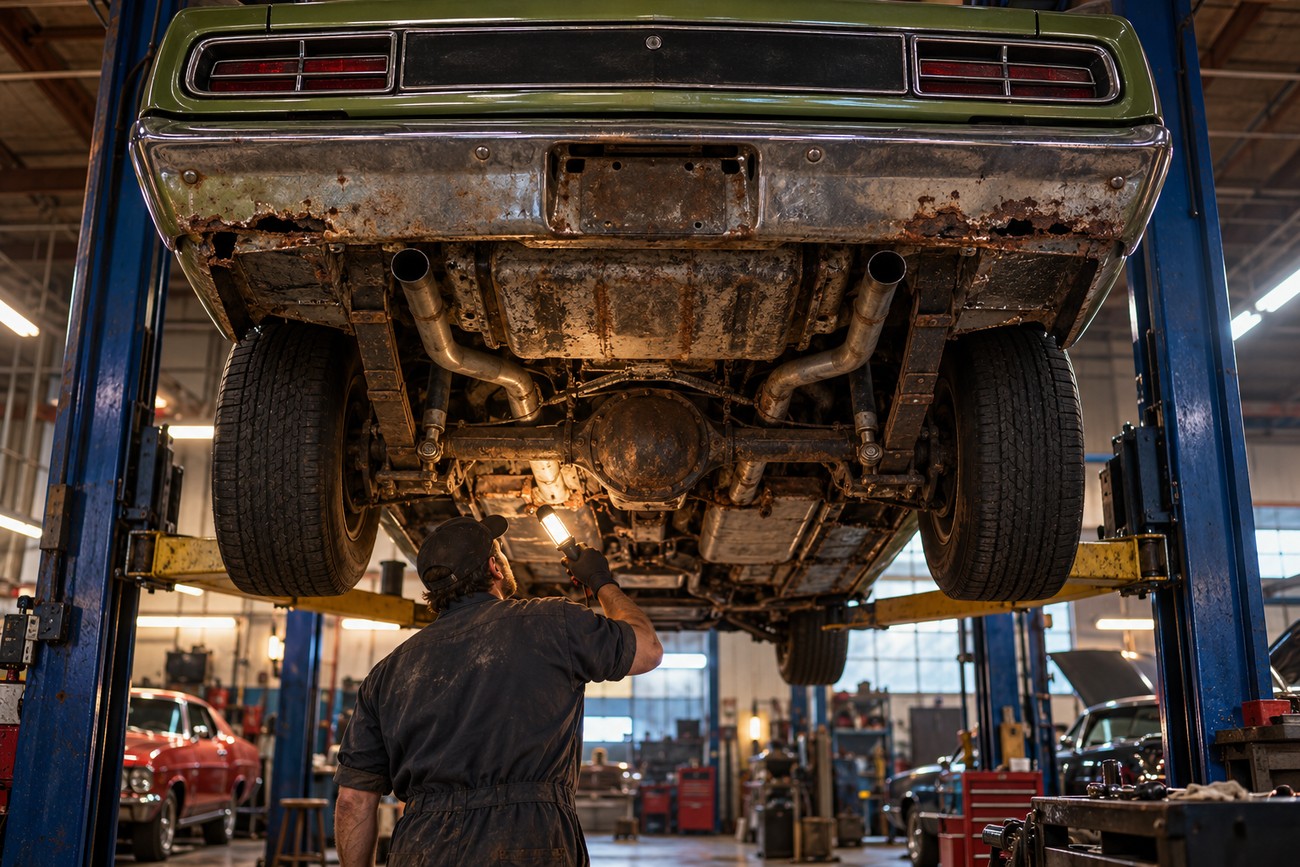
Early Super Bees have weak corrosion protection compared with modern vehicles. Inspect the sills, floors, lower body, rear-window surround, trunk areas, and suspension-related cavities. Rust in these locations can indicate deeper structural deterioration rather than a cosmetic blemish.
The suspension pockets and other load-bearing areas deserve special attention. A car may sit correctly and drive acceptably during a short test while carrying weakened metal underneath. Put the vehicle on a lift, inspect both sides, and request photographs of areas that were repaired before paint was applied.
Poor previous work commonly includes rough welding, excessive filler, incorrect replacement panels, and panels borrowed from other Dodge models. Thick paint can hide ripples and repaired seams. A magnet, paint-depth inspection, strong lighting, and an experienced body inspector are more useful than a polished engine bay.
Electrical faults are another recurring problem. Unstable gauges, intermittent lighting, starter issues, and deteriorated wiring can turn a usable classic into a car that is difficult to trust. Budget for diagnosis and possible harness work when the wiring shows age, heat damage, amateur modifications, or disconnected accessories.
Inspection evidence should outrank presentation quality. A dusty car with visible repairs may be easier to evaluate than a glossy example whose seller avoids underside photographs, documentation checks, or independent inspection. Paint is a finish; structural integrity is the asset.
Common Buying Mistakes and Sensible Upgrades
The most expensive mistake is buying on appearance alone. A cosmetic restoration can conceal incorrect geometry, structural repairs, weak suspension mounts, and a drivetrain assembled from unrelated parts. Pay for an inspection before committing to a car whose paint makes it difficult to see the evidence.
Restoration budgets also fail when the buyer treats metalwork and mechanical rebuilding as small, separate tasks. Rust repair, engine work, interior replacement, wiring, trim, and correct documentation can overlap in time and cost. A project should be purchased only after identifying which components are present, which are incorrect, and which are unavailable.
An aggressive camshaft and carburetor may increase peak performance while making the car unpleasant in traffic. The transmission, rear axle ratio, cooling system, fuel delivery, and ignition must work with the engine combination. Otherwise, the Super Bee can lose the everyday drivability that made the 383 package attractive.
Prioritize brakes, tires, suspension geometry, cooling, and electrical reliability before increasing output beyond roughly 450–500 hp. These changes improve usable enjoyment and reduce risk in ordinary driving. An LX Super Bee should be budgeted as an SRT-level car for brakes, tires, suspension, and drivetrain service, even when its body appears similar to a standard Charger.
Which Super Bee Makes Sense for You?
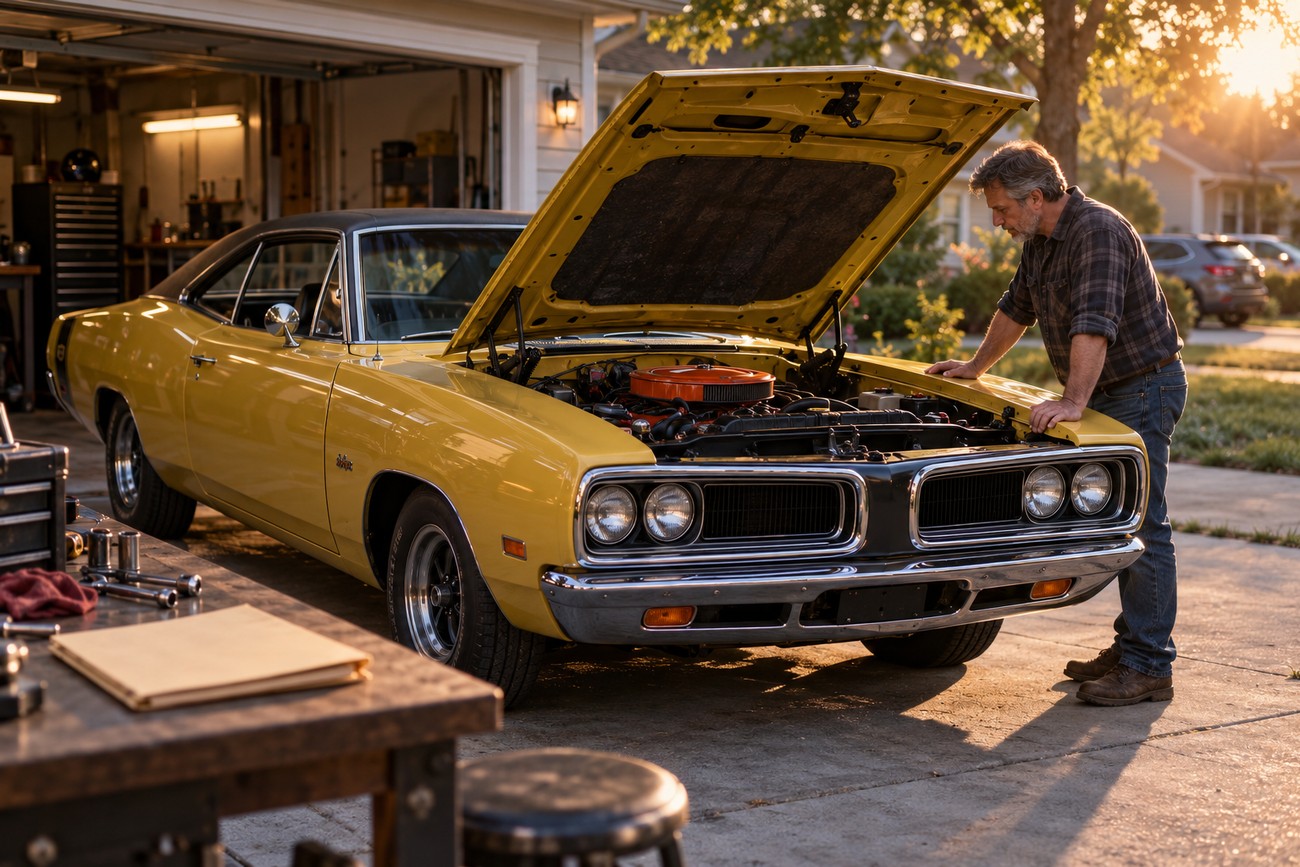
A documented 383 car is usually the most rational choice for regular enjoyment. It delivers the historic Super Bee character, has more manageable service requirements than a Hemi, and avoids some of the financial exposure attached to the rarest combinations. Condition and documentation still matter more than the engine badge alone.
The Hemi car suits a collector who accepts preservation work, specialist maintenance, and a higher acquisition cost. Its rarity can support strong value, yet that same rarity makes incorrect parts and incomplete records expensive problems. It is a poor candidate for a casual “cheap project” strategy.
The LX Super Bee offers a different kind of logic. Its SRT8-based chassis, Brembo brakes, sport suspension, and 6.1-liter Hemi provide modern performance and stronger high-speed control than an early car. Running costs, tire wear, brake service, and the possibility of previous drag or track use require a larger maintenance reserve.
Early Super Bees can be noisy, hot, sparsely trimmed, and less predictable on wet roads than modern muscle cars. The LX car brings better comfort and performance hardware while giving up some of the mechanical simplicity and period purity of the original. Choose the generation that matches your intended use, then buy the best-documented example you can inspect.
Frequently asked questions
What is the rarest Dodge muscle car?
There is no single universally accepted answer because rarity depends on the exact factory combination, production record, and surviving examples. Limited-production 426 Hemi Super Bees are highly collectible, especially in scarce 1968–1970 configurations, but that does not make the Super Bee universally the rarest Dodge muscle car.
For a buyer, documented scarcity matters more than a broad model label. The VIN, fender tag, build sheet, factory codes, matching numbers, and known ownership history should establish what the car was before rarity is assigned any financial meaning.
How much is a Dodge Super Bee worth today?
Use a structured valuation rather than an invented price range. Assess factory identity, matching numbers, body integrity, restoration quality, documentation, engine and transmission specification, originality, and market location separately.
A documented Hemi car in sound condition belongs in a different market from a 383 project, a clone, or an LX Super Bee with heavy wear. Professional appraisal is especially useful when the seller claims a rare combination because it should separate an authentic factory car from a tribute or clone before you compare asking prices.







