
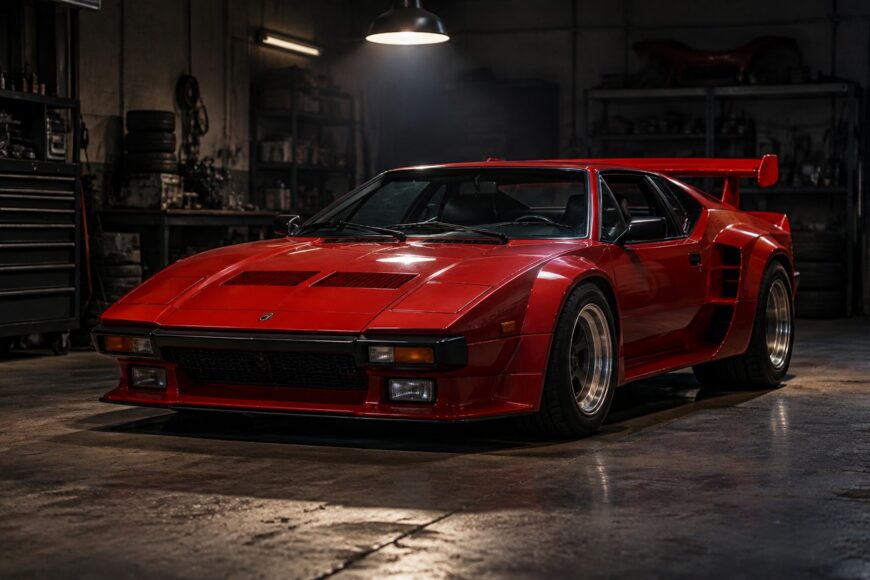
The De Tomaso Pantera GT5 puts a serviceable Ford V8 inside a rare, aging Italian mid-engine car. That combination can make an engine repair more approachable than its shape suggests, while leaving the gearbox, body, and model-specific parts firmly in classic supercar territory.
Fuel matters, especially if you plan to drive often, but it is seldom the bill that changes the buying decision. The condition of the car you start with, the quality of earlier work, and the possibility of unexpected repairs matter more. A sound GT5 with credible records can be easier to own than a cheaper, freshly painted example with unanswered questions underneath.
- What a Pantera GT5 actually costs to buy
- Pantera GT5 ownership costs: a budget-by-risk breakdown
- Ford V8 servicing and the fuel bill
- The bills the Ford engine cannot simplify
- Rust, rare GT5 parts and the pre-purchase inspection
- Is a GT5 sensible to own and drive?
- Frequently asked questions
- How many De Tomaso Pantera GT5s were made?
- How can I check whether a car advertised as a GT5 is correctly identified?
- What should an overseas buyer confirm before shipping a GT5?
What a Pantera GT5 actually costs to buy
Reported sales of €60,000–€150,000 cover Panteras of varying specifications; they are not a GT5 price range. An individual GT5 auction result has approached $275,000, but one result does not establish what another car should cost. With relatively few comparable cars changing hands, a headline price is a weak substitute for examining the vehicle.
Start by establishing what is being sold. Originality, the completeness of GT5-specific parts, documented repairs, and the condition of the underlying structure all affect how useful another sale is as a comparison. A modified car may suit a driver well, yet its price should reflect the work needed to verify those changes and source any missing original pieces.
Records deserve close reading rather than a simple check for a thick folder. Invoices for cooling, transmission, brake, and body work are more useful than a list of routine oil changes if those larger systems have not been assessed recently. Ask what was repaired, who did it, and whether the work can be inspected.
Leave room between your maximum purchase budget and the agreed price. Even a convincing GT5 may need corrective work once it is driven regularly. Paying less for a car with unexplained gearbox behavior or questionable metalwork can transfer a substantial bill to its next owner.
Pantera GT5 ownership costs: a budget-by-risk breakdown
Build the budget around the car’s condition and the evidence available, rather than an assumed annual total. Each category below calls for a different record, inspection, or local quote.
| Cost area | What drives the bill | Evidence to request |
|---|---|---|
| Purchase and initial repairs | Deferred work and unknown history | Inspection report and repair estimates |
| Fuel | Mileage, traffic, and engine setup | Owner’s usage records, if available |
| Engine servicing | Condition, access, and correct Cleveland parts | Invoices and a mechanical assessment |
| ZF transaxle | Adjustment, service, or internal wear | Road test and specialist assessment |
| Brakes and suspension | Age, wear, and previous modifications | Component inspection and work invoices |
| Body and GT5 trim | Corrosion, damage, and scarce pieces | Body inspection and parts quotations |
| Insurance and storage | Location, value, use, and facilities | Local policy and storage quotes |
Ford V8 servicing and the fuel bill
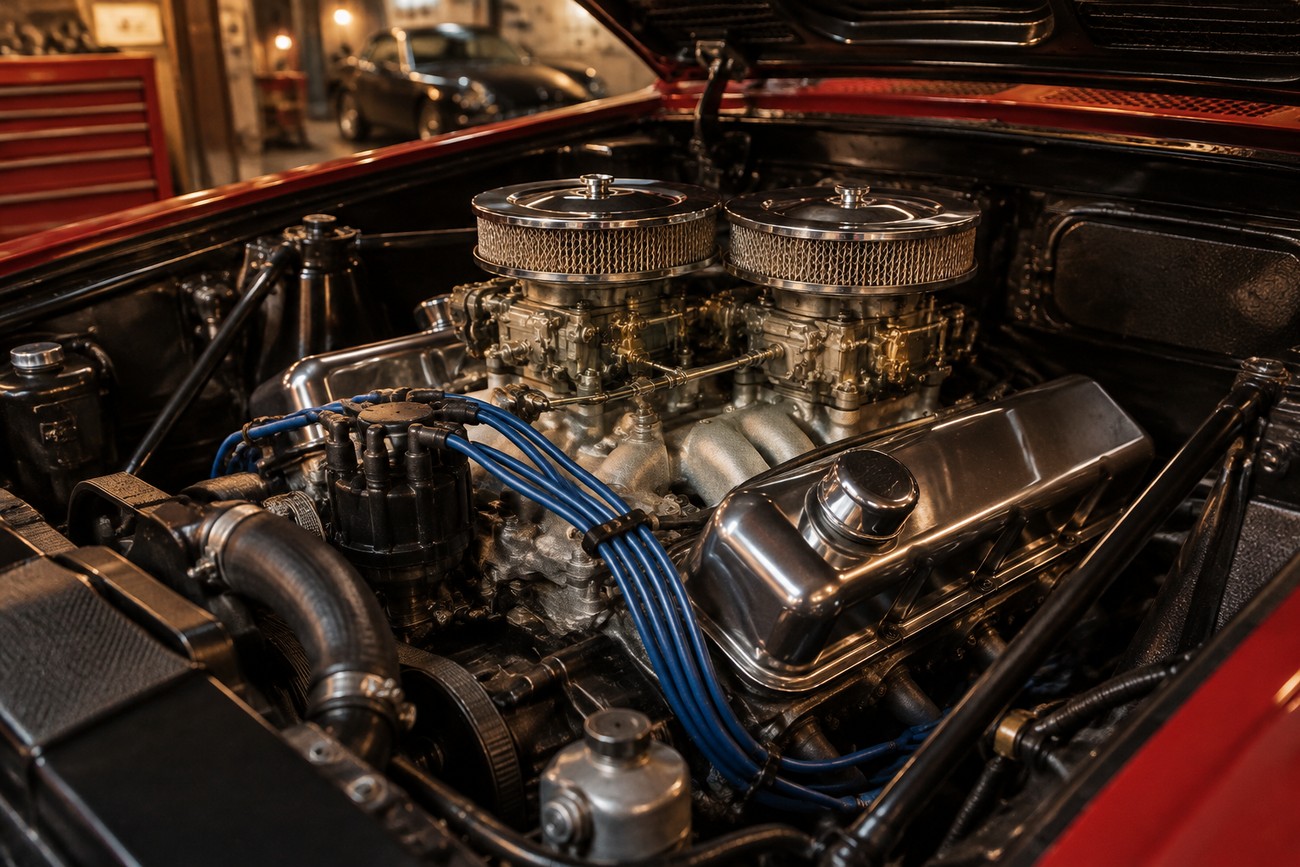
The GT5 uses a Ford 351 Cleveland 5.8-liter V8, commonly quoted at approximately 350 hp in GT5 specifications. Basic engine parts benefit from a broader American supply network than GT5-specific body or trim parts. That advantage helps most when a mechanic first identifies the engine and its existing modifications accurately.
“Ford V8” is too broad a description for ordering parts. Cleveland and Windsor engines are distinct families, and an earlier owner may have changed components or fitted performance hardware. Confirm what is installed before treating an inexpensive catalog listing as the answer to a leak, misfire, or cooling complaint.
Engine access, diagnosis, and the condition of surrounding systems still consume workshop time. A carburetor that runs poorly may need careful setup, while neglected ignition or fuel components call for more than a replacement engine part. The availability of basic Cleveland hardware does not make every job on a mid-engine GT5 inexpensive.
A reference figure for GT5 combined fuel consumption is approximately 17.6 L/100 km; some broader Pantera catalogs quote approximately 16 L/100 km. Neither predicts your result. Reports of 20–25+ L/100 km in active urban driving are anecdotal, and traffic, driving style, carburetor settings, and ignition setup can all influence consumption. Budget for substantial fuel use without assuming a tune-up will deliver a particular saving.
The bills the Ford engine cannot simplify
The five-speed manual ZF transaxle deserves its own assessment. On a test drive, note how it selects gears when cold and warm, and ask for records of previous service. A specialist can check external adjustment and service condition before judging whether a reluctant shift points to internal wear. Treating every reluctant shift as a complete rebuild is no more sensible than dismissing it because the car still moves.
Cooling is another system to examine under running conditions. Check for leaks, the operation of the fans, and evidence of earlier repairs, then observe how the car behaves after it reaches temperature. An engine that sounds healthy on a short, cool test drive has not necessarily proved its cooling system in traffic.
The GT5 has independent suspension and disc brakes, both of which need a component-level inspection after decades of use. Check wear, leaks, and the condition of any previous repairs or modifications. Brake fade under demanding driving is a reason to assess the existing system; an upgraded kit is not automatically required or suitable. Its fit, documentation, and effect on originality should be considered before purchase.
Aging wiring and fuel-system components also merit a safety check, without assuming that every GT5 is defective. Inspect routing, connections, hoses, and signs of improvised repairs, particularly around heat and fuel. Addressing a developing fault is preferable to discovering it through a breakdown or a more serious incident.
Rust, rare GT5 parts and the pre-purchase inspection
Begin the inspection beneath the finish. Have a body specialist check structural areas for corrosion, evidence of earlier repairs, and consistency from one side of the car to the other. A glossy repaint can conceal poor metalwork; it cannot establish that the structure beneath it is sound. Rust is a risk to investigate, not a condition to presume on every example.
Next, examine panel alignment and look for signs of collision repair. Uneven gaps or mismatched finishes need an explanation supported by records and a physical assessment. A car can drive acceptably while still carrying body damage that changes both the repair budget and its appeal to a later buyer.
Inventory the GT5-specific exterior pieces and interior trim before agreeing a price. Missing or damaged parts may be harder to source than basic Ford engine components, and a seemingly small omission can delay a restoration. If a seller says a replacement is readily available, obtain a current source and quotation rather than relying on that assurance.
Service history provides context, especially where it identifies who performed transmission, cooling, and body work. It cannot replace a mechanical check or reveal every hidden repair. Arrange a specialist body assessment and a separate mechanical inspection, then use their findings to set the price and the repair reserve.
Is a GT5 sensible to own and drive?
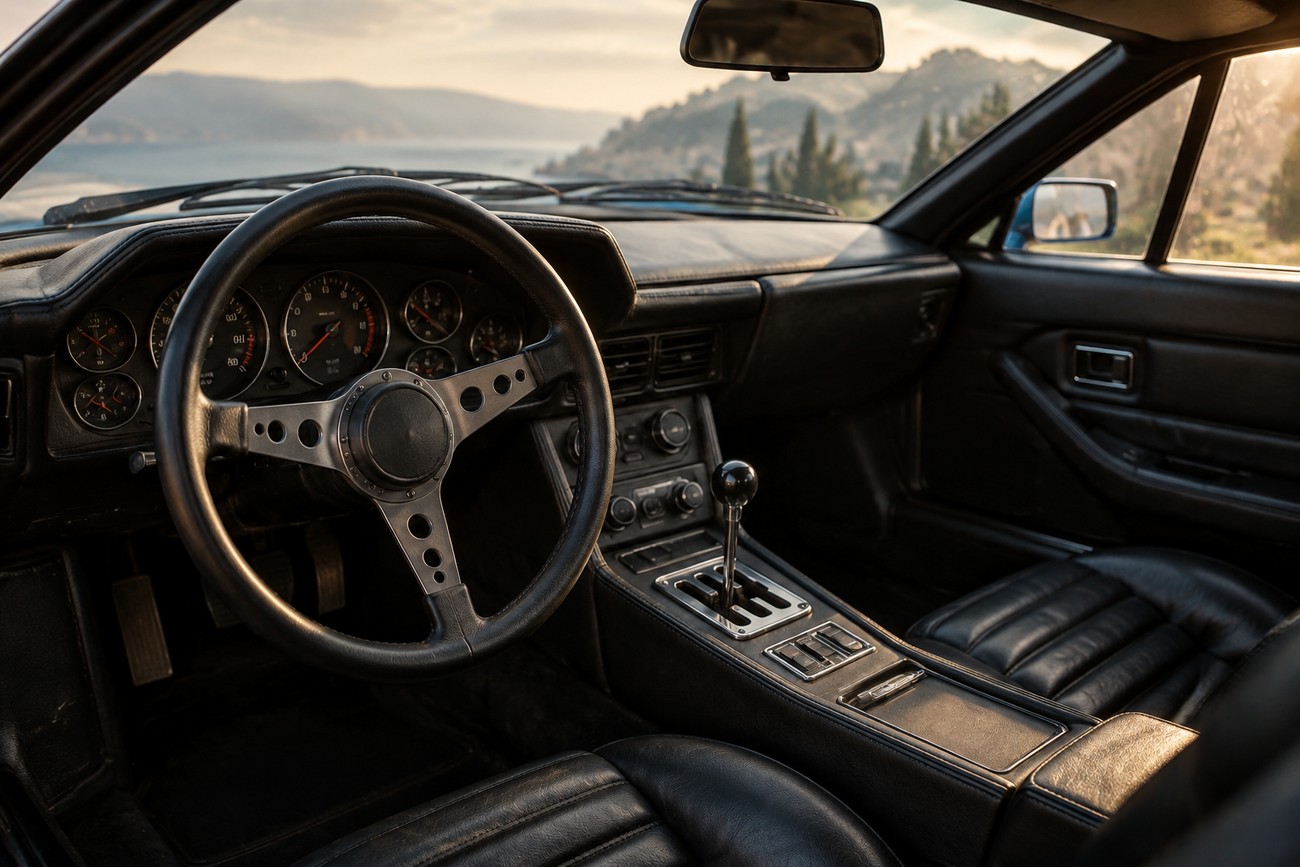
A GT5 offers direct mechanical controls and a distinctive mid-engine driving experience. Regular use also exposes its compromises: cabin heat, an unusual driving position, limited visibility, and parking demands. None makes daily driving impossible, but a short enjoyable test drive tells you little about a slow trip across a hot city.
Local support changes the calculation. Before buying, find out who can assess a ZF transaxle and who can carry out Italian body repairs near you. If suitable help is distant, transport and time without the car become part of a repair decision, even when the required part itself is obtainable.
Storage and insurance deserve quotes based on your location, the car’s value, and intended use. Resale is another uncertainty: a narrow collector audience may not produce a quick buyer at an advertised price. The soundest rule is to buy a documented, independently inspected car and keep a repair reserve, rather than stretch to the cheapest GT5 you can find.
Frequently asked questions
Rarity claims, model identification, and import plans can each change a buying decision. Check them against documents specific to the car, rather than against its appearance or a general Pantera listing. Where records are incomplete, ask a marque specialist to identify what can be verified.
How many De Tomaso Pantera GT5s were made?
The figures available here do not establish a verified GT5 factory total. One estimate from a single source puts GT5 production below 200. A separate figure of approximately 7,290 refers to Pantera production overall and must not be used as a GT5 count. Treat a seller’s precise rarity claim as something to document, not as proof of a particular car’s identity.
How can I check whether a car advertised as a GT5 is correctly identified?
Match the car’s identifying numbers to its ownership and registration records, then seek period documentation that establishes its original specification. Have a marque specialist assess those records alongside the body, trim, and any later modifications. GT5-style exterior parts or a seller’s description alone cannot establish how the car left the factory.
What should an overseas buyer confirm before shipping a GT5?
Confirm the seller’s right to transfer ownership and obtain the documents needed for export before arranging collection. Check import eligibility and local registration requirements with the relevant authorities or a qualified shipping agent, including how the car’s identity and specification must be recorded. Arrange transport insurance that reflects the agreed value and covers the journey as planned.







