
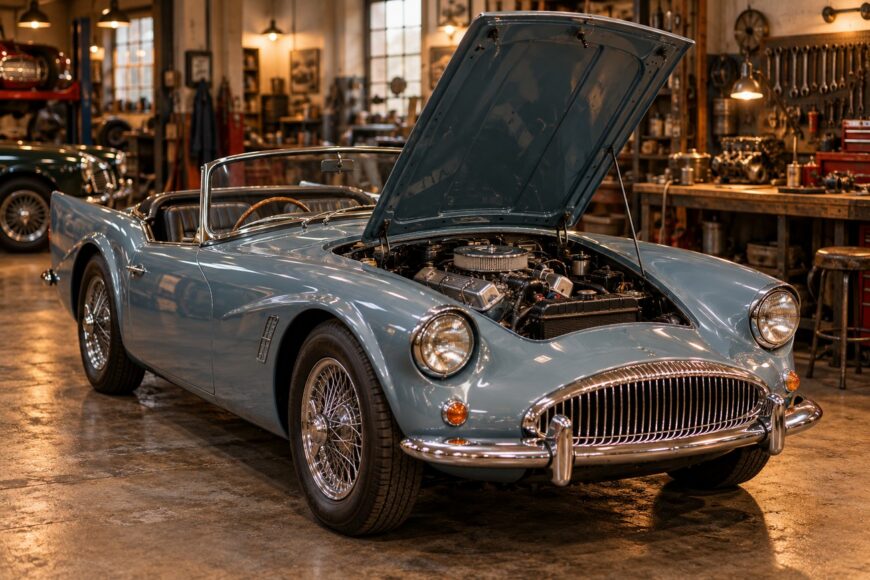
A small British roadster with a hemi-head V8 has an appeal all its own. The Daimler SP250 pairs an unusual engine with an open two-seat body and a soundtrack that sets it apart from the familiar four-cylinder sports cars of its era. Its early handling reputation, however, is as much a part of the story as the engine.
That reputation needs context. Later cars received chassis improvements, while decades of repairs and alterations have made the condition of individual examples more important still. The early “Dart” name may catch a buyer’s eye, but it tells far less about how an SP250 drives than its structure, maintenance, and documented work.
- From Dart to SP250: an unlikely British roadster
- What the hemi-head V8 actually was
- Why the early chassis earned its reputation
- Behind the wheel: charm without modern polish
- Buying an SP250: inspect the car, not the legend
- Why the SP250 remains more than its flaws
- Frequently asked questions
- How much is a Daimler SP250 worth?
- What was the Daimler SP250’s top speed?
- How much horsepower does the Daimler SP250 have?
- What are some common problems with Daimler 250 V8 engines?
- What was the top speed of a Daimler 250 V8?
From Dart to SP250: an unlikely British roadster
Produced from 1959 to 1964, the Daimler SP250 was a two-seat open roadster with a character unlike most of its British contemporaries. Its compact V8 gave it a distinctive sound and power delivery in a class largely associated with smaller, simpler engines. The adventurous styling made its mechanical difference plain even before the engine started.
Dart was an early name for the SP250, not a separate model or a distinct specification. Accounts commonly link the withdrawal of that name to a dispute with Chrysler, though the naming history is better treated as context than as a guide to identifying a car. An advertisement calling an SP250 a Dart should prompt a check of the car’s records, not an assumption that it is a rarer variant.
The SP250’s unusual combination also attracts buyers beyond the usual British-roadster audience. It offers the compact proportions of an open sports car and an engine layout associated with much larger machines. Those ingredients did not automatically produce a polished sports car, but they did produce one worth understanding on its own terms.
What the hemi-head V8 actually was
The Edward Turner-designed V8 was a compact 2.5-liter unit, displacing approximately 2,548 cc; some references give 2,547 cc. Turner was also known for motorcycle engines, and the Daimler’s architecture was an unusual choice for a British roadster of this size. Its modest displacement matters: the V8 layout gives it character without turning it into a large-capacity American engine.
A cast-iron block carried aluminum heads with hemispherical combustion chambers. That head design explains the “hemi-head” description, but this was a distinct British V8, not a Chrysler Hemi or a copy of one. The distinction is useful when reading advertisements, where a familiar nickname can make the engine sound rather different from what sits under the bonnet.
Published output figures range from 140 to 142 hp at 5,800 rpm, with quoted torque of 210 Nm at 3,600 rpm. The small difference in horsepower figures is best read as a variation between published specifications, rather than proof of a particular production upgrade. Both figures describe an engine that rewards revs and suits a light roadster.
What stays with many drivers is the combination of V8 sound and compact-car response. The engine gives the SP250 much of its identity, yet its quoted torque is a reminder to use the gearbox rather than expect effortless pull from very low speeds. A well-running example should be judged by how cleanly it delivers power across the rev range, not by the badge or the headline output alone.
Why the early chassis earned its reputation
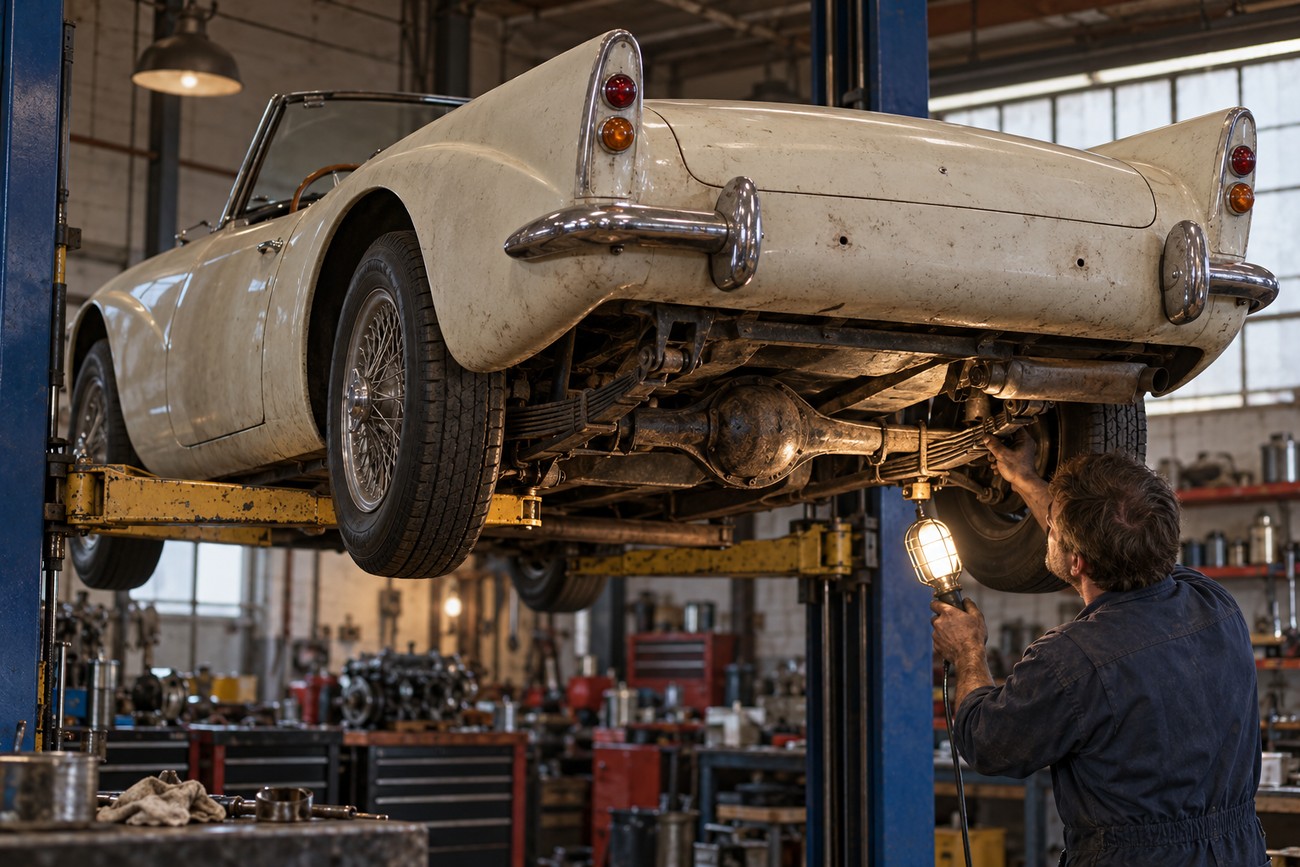
The SP250 had independent front suspension, a leaf-sprung live rear axle, and Girling disc brakes. Its wheelbase was 2,337 mm, while published weight figures vary from approximately 940 to 1,000 kg. Those dimensions helped make it an eager small roadster, but they left the rear suspension with a demanding job on uneven surfaces.
Early chassis setups earned a reputation for feeling unsettled on rough roads and in quick bends. The combination of a short wheelbase, a relatively light rear end, and a live axle could make the car feel nervous where a smoother road suggested confidence. Its disc brakes were a welcome feature for the period; they could not, by themselves, make the chassis composed.
Later cars received improvements, so the early reputation should not be applied indiscriminately to every SP250. Equally, a later build date is no substitute for checking the present state of the structure and suspension. Wear, repairs, and past adjustments can shape the driving experience as strongly as the original specification.
Period handling is part of the car’s character, though it deserves clear-eyed expectations. A properly sorted SP250 can be enjoyable at a sensible pace without steering or riding like a modern roadster. Buyers should distinguish between an inherent old-car trait and a fault that needs attention.
Behind the wheel: charm without modern polish
In a roadster weighing approximately 940 to 1,000 kg according to published figures, the quoted 140–142 hp at 5,800 rpm gives the V8 a lively role. Its sound adds to the sense of occasion, and the engine’s willingness to work through the rev range makes an open-road drive engaging. That appeal is more credible than any unverified top-speed claim.
The four-speed manual is the typical gearbox, although some catalogs also mention an automatic. With the manual, gear selection is part of keeping the compact 2.5-liter V8 in its preferred range. At sustained road speeds, four forward ratios and a period open body can also make the car feel busier and noisier than its smooth V8 note might lead you to expect.
Steering and ride require the same adjustment of expectations. An imperfect road can reveal movement from the rear axle, while noise, vibration, and simple controls keep the driver close to the machinery. The appeal lies in that directness and in the engine’s distinctive voice; anyone seeking relaxed modern touring manners should try a representative car before committing.
Buying an SP250: inspect the car, not the legend
Begin with the structure. Have the chassis and its attachment points examined carefully, then assess the body’s condition and the quality of any previous repairs. A tidy finish can make an SP250 attractive at first sight, but it does not establish what lies beneath or how soundly earlier work was carried out.
Next, check the brakes and suspension rather than treating period disc brakes as reassurance in themselves. Ask for evidence of maintenance and of any chassis improvements, especially on an early car. The distinction between an original early setup and a properly improved one matters more to the drive than an advertisement’s description of the model year.
A drive should include imperfect surfaces and bends taken at an appropriate speed. Notice whether the car tracks consistently, brakes cleanly, and settles after bumps. Sudden or inconsistent reactions deserve investigation rather than being dismissed as normal SP250 character; an inspection by someone familiar with the model can help separate setup from wear.
Finally, review service records and check that the engine warms and runs cleanly, the cooling system behaves as expected, and the carburetors are properly set up. Parts availability and specialist work can be concerns with a distinctive Daimler V8, though that does not make every engine troublesome or justify a blanket repair estimate. Price any outstanding work against the particular car before buying its story.
Why the SP250 remains more than its flaws
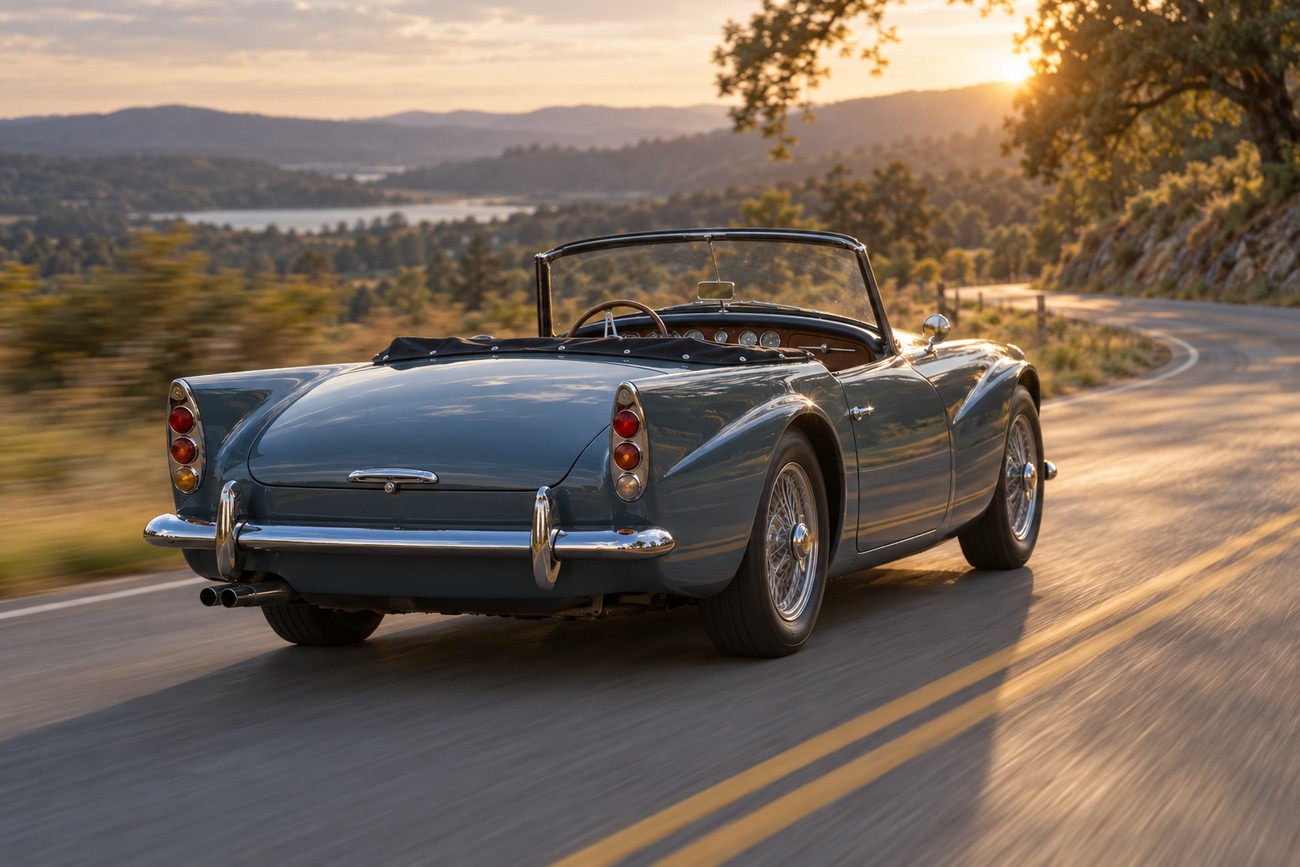
The SP250’s appeal survives an honest account of its weaknesses. Its distinctive British hemi-head V8 gives the small roadster a sound and mechanical character that a specification sheet only partly conveys. The unconventional appearance and straightforward rear suspension are inseparable from the car’s identity, even if neither pleases every driver.
A later or demonstrably improved example can offer a more convincing drive than the early reputation suggests. An early car needing structural or chassis work presents a different ownership proposition, however attractive its engine sounds. Enthusiasm pays off most when it is backed by records, a careful inspection, and a drive on roads that reveal the car’s behavior.
Built from 1959 to 1964, the SP250 is a rewarding choice for someone who enjoys period machinery and accepts its compromises. It is no Chrysler Hemi-powered muscle car and no modern sports car. Its strongest case rests with a sound, well-sorted example whose condition lives up to the promise of that remarkable little V8.
Frequently asked questions
Value depends on the individual car’s condition and documented work. Published engine figures are useful, but the evidence here does not establish a definitive top speed. Similar Daimler model names can also lead to misleading performance comparisons.
How much is a Daimler SP250 worth?
Value an SP250 by comparing recent sales in the relevant market, then adjusting for structural condition, documented chassis improvements, originality, and the work still required. An asking price alone is a weak benchmark: a cheaper car with unresolved structural or brake work may be the costlier purchase.
What was the Daimler SP250’s top speed?
The supplied evidence does not establish one definitive top speed. If you encounter a published figure, check whether it comes from a dated road test or a stated specification, and compare the test conditions and car specification before treating it as representative.
How much horsepower does the Daimler SP250 have?
Published figures give the SP250’s 2.5-liter V8 140–142 hp at 5,800 rpm. That range reflects differences in the available specifications; it should not be taken as evidence that every car left the factory with one exact figure or that the difference marks a confirmed model change.
What are some common problems with Daimler 250 V8 engines?
For an SP250, check cooling performance, carburetor adjustment, smooth running, and the quality of the service history. Those are sensible inspection points, not proof of universal engine defects. Have a specialist assess symptoms and parts needs on the individual car before allowing for repairs.
What was the top speed of a Daimler 250 V8?
“Daimler 250 V8” can refer to a different Daimler model, so its performance figures should not be transferred to the SP250 roadster. First establish which car is meant; then look for a dated test or specification with comparable measurement conditions. The evidence here supports no definitive top-speed figure for either query.







