
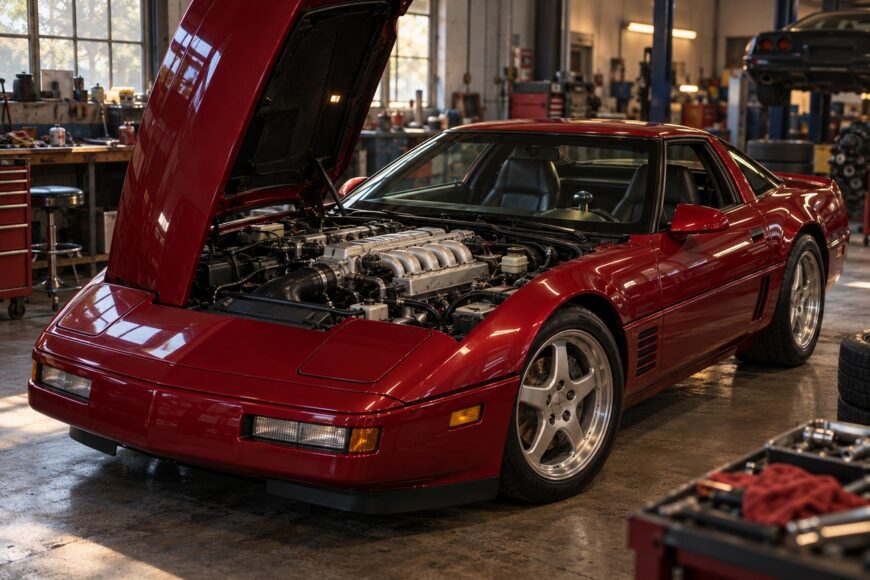
The Corvette ZR-1 delivered supercar performance from a platform that is now decades old. That combination creates its appeal and its risk: the car can still feel extraordinary when every system works, while age-related faults can turn a seemingly sound example into an expensive project.
Produced from 1990–1995, the ZR-1 used the LT5, a 5.7-liter DOHC V8 with four valves per cylinder, assembled by Mercury Marine. Early cars are listed as 375 hp in some technical sources and 380 hp in some period tests and advertising materials; from 1993 onward, the advertised figure was 405 hp. The sensible purchase decision rests on documented condition, system checks, and maintenance history rather than a low odometer reading or a famous badge.
- Why the C4 ZR-1 Was More Than a Faster Corvette
- LT5 Character: The Two-Stage Engine That Makes the ZR-1 Special
- Performance, Records, and the Supercar Question
- C4 ZR-1 Power and Model-Year Changes
- 1990–1995 ZR-1 Specification Snapshot
- Buying a C4 ZR-1 Today: Inspect the Systems, Not Just the Shell
- Ownership Reality: Reliable LT5, Expensive Periphery
- ZR-1 Myths, Hidden Weaknesses, and Smarter Collector Logic
- What Determines a C4 ZR-1’s Collector Value
- Frequently asked questions
- How much is a C4 ZR-1 worth?
- How can you verify that a ZR-1 is a 405-hp car?
- What should be done before driving a long-stored C4 ZR-1?
Why the C4 ZR-1 Was More Than a Faster Corvette
The ZR-1 changed the mechanical character of the C4 through the LT5, a 5.7-liter DOHC V8 with four valves per cylinder. Its cylinder-head design and high-rpm intent demanded a different intake and control strategy from the ordinary C4 engines. The result was a Corvette with more sophisticated power delivery and a substantially different engineering identity.
Its six-speed manual transmission gave the driver closer control over the engine’s operating range. J55 upgraded brakes addressed the demands of repeated high-speed use, while the 3.54 final drive helped keep the engine responsive. These components formed a coherent performance package rather than a simple engine-output upgrade.
The secondary-throttle system is central to that package. A vacuum- and actuator-controlled system restricts part of the intake at low demand and opens full intake operation under high demand. The engine therefore has a restrained low-load mode and a much more forceful character when the secondary system operates correctly.
That arrangement also explains why a ZR-1 inspection needs specialist attention. A standard C4 may look similar in the engine bay and chassis, yet its LT5, intake system, secondary controls, and related service requirements create additional failure points and diagnostic procedures.
LT5 Character: The Two-Stage Engine That Makes the ZR-1 Special
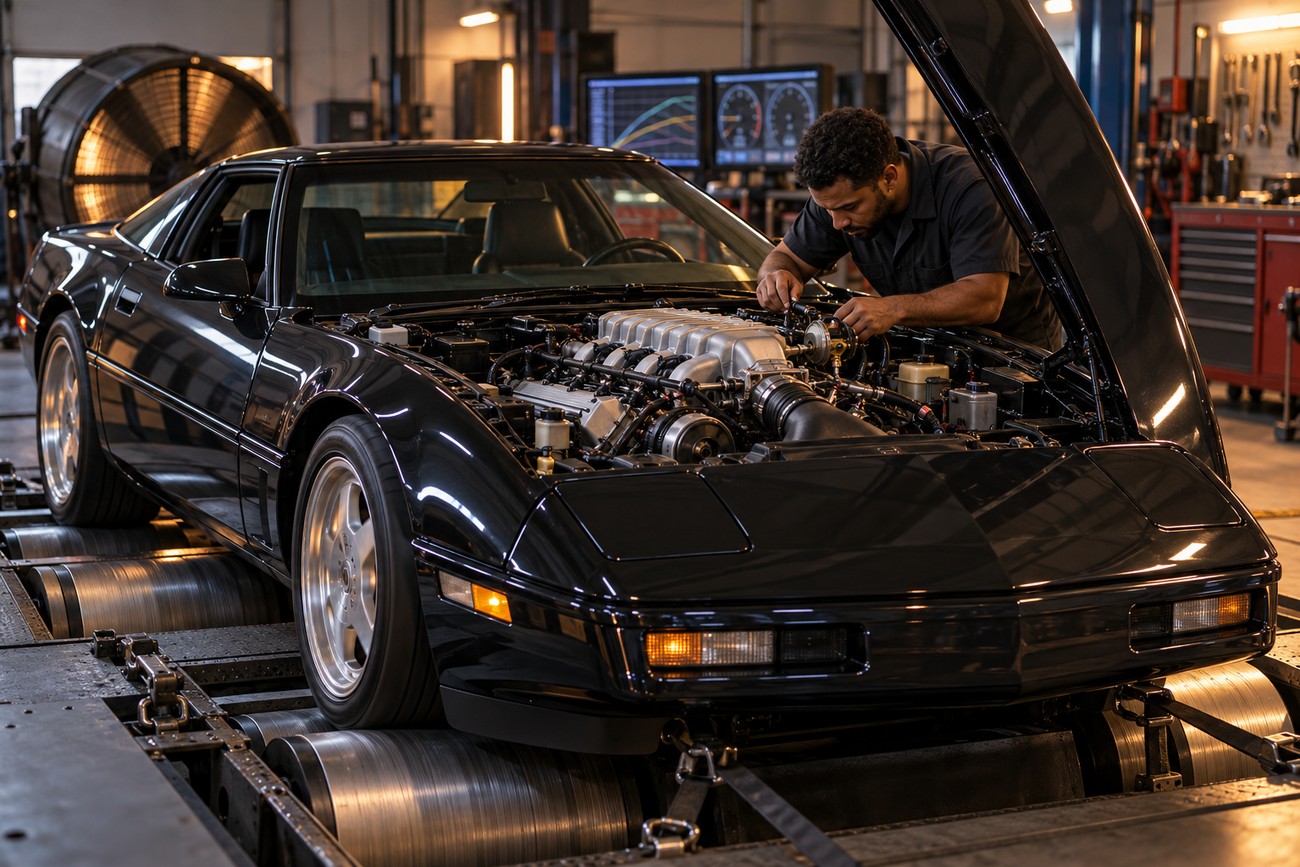
The LT5 was designed for high-rpm operation. Its appeal comes from the way power builds as the engine moves into the upper part of its range, where secondary intake operation adds the sharper change in character that defines a healthy ZR-1.
Owners commonly report LT5 service lives beyond 100,000 miles when maintenance is regular. That record supports the engine’s reputation for durability, although it does not make every surrounding component equally durable. Vacuum lines, actuators, supporting components, and electrical connections age even when the engine itself has seen little use.
A fault in the secondary-throttle system can leave the engine operating with reduced power. The car may start, idle, and drive smoothly enough to deceive a casual buyer while failing to deliver the upper-range performance that justifies the ZR-1 designation.
Long-term reliability therefore depends on more than compression and oil pressure. The transition into full intake operation should be verified under controlled conditions, and the vacuum supply and actuator movement should be checked rather than inferred from a short road test.
Performance, Records, and the Supercar Question
Period testing established the ZR-1 as a serious high-performance car. In a 1990 Road & Track test, it reached 0–60 mph in 4.9 seconds, a figure that placed the Corvette in supercar territory for its era.
That number describes one test result, not a guaranteed result for every surviving example. Acceleration varies with tires, clutch condition, surface, weather, launch technique, and test method. A poorly maintained car can feel slow even when its engine appears mechanically sound.
The ZR-1’s historical standing also rests on sustained performance. A production ZR-1 recorded a 24-hour average speed of 175.8 mph among its world records. That achievement demonstrated the car’s ability to combine speed with endurance rather than relying on a single short acceleration run.
Today, the more useful performance test is system-based. Correct secondary operation, a healthy clutch, suitable tires, and a properly functioning drivetrain tell you more about the car’s condition than a dramatic claim based on an old magazine figure.
C4 ZR-1 Power and Model-Year Changes
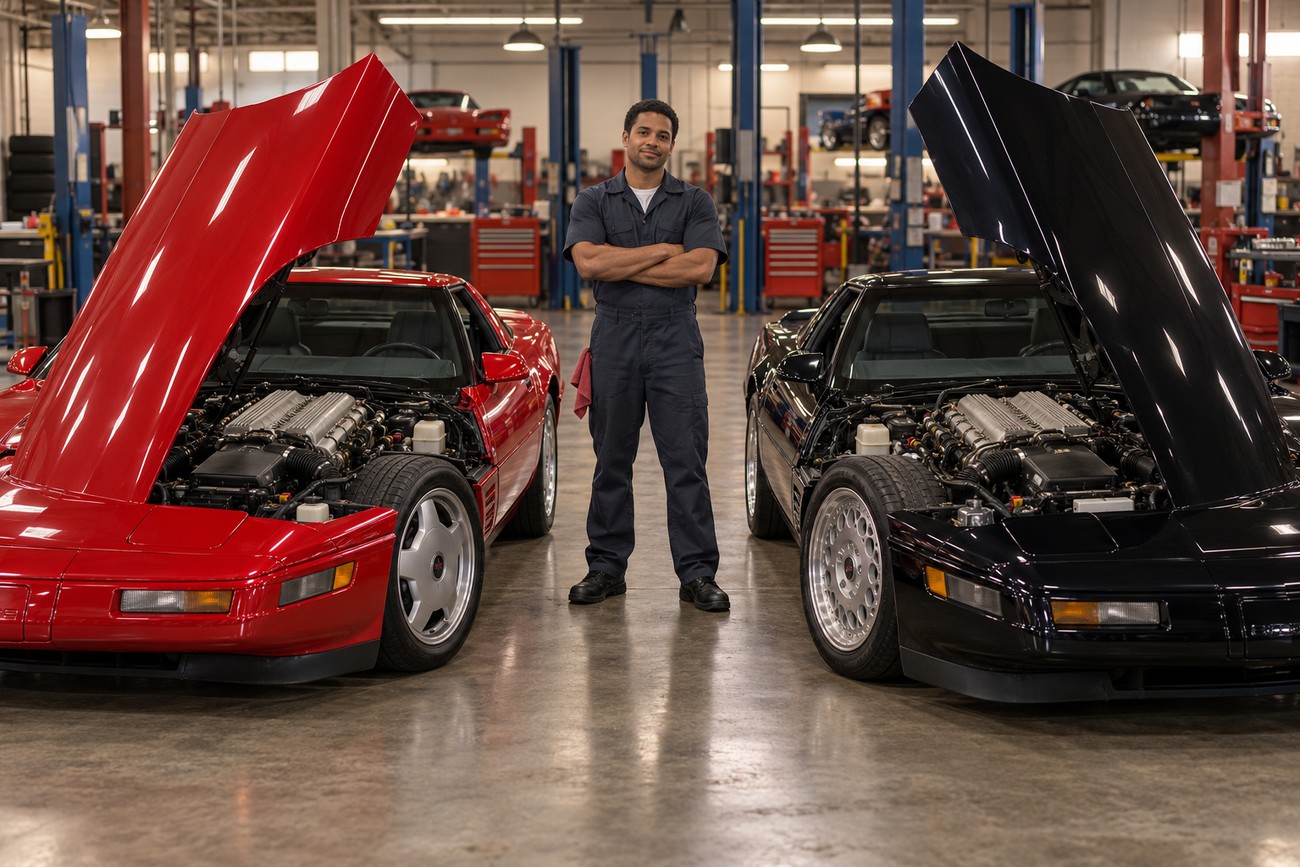
The ZR-1 was produced from 1990 through 1995. Early power figures require careful wording because technical sources commonly list 375 hp, while some period tests and advertising materials used 380 hp.
From 1993 onward, the advertised output was 405 hp. That figure belongs to the later versions and should not be applied to every ZR-1 simply because the cars share the same basic model name.
Model-year identification matters during a purchase inspection, parts search, and valuation. A seller’s description, a rear badge, or a generic online specification page is weaker evidence than factory documentation, engine identification, and matching service records.
1990–1995 ZR-1 Specification Snapshot
The table preserves the early power-rating discrepancy while separating it from the later advertised figure.
| Model years | LT5 power-rating language | Transmission | Brakes | Final drive |
|---|---|---|---|---|
| 1990–1992 | 375 hp in some technical sources; 380 hp in some period tests and advertising materials | Six-speed manual | J55 upgraded brakes | 3.54 final drive |
| 1993–1995 | 405 hp advertised from 1993 onward | Six-speed manual | J55 upgraded brakes | 3.54 final drive |
These specifications identify the ZR-1’s core configuration, yet they do not describe the condition of an individual car. A low-mileage example can still have aged hoses, seals, injectors, and electrical connections.
Parts should be ordered against the specific model year and ZR-1 configuration. Catalog entries for an ordinary C4 can appear superficially correct while omitting the components that make the LT5 installation distinctive.
Buying a C4 ZR-1 Today: Inspect the Systems, Not Just the Shell
Begin with the systems that distinguish the ZR-1. Verify that the secondary-throttle system changes the engine’s operation under high demand, then inspect the vacuum supply, actuators, hoses, and electrical connections. A clean engine bay and convincing bodywork cannot prove that the intake system reaches full operation.
Compression testing adds useful evidence about the engine’s internal condition. Check for oil leaks around the oil pan, covers, head plugs, pressure sensor, and oil-cooling connections, and inspect the car after it has been warmed and allowed to sit. The absence of visible smoke does not rule out external leaks or developing seal problems.
Test the secondary system as a system first: confirm vacuum supply, actuator movement, hose condition, and electrical control before condemning the LT5 itself.
Fuel delivery deserves its own inspection. On cars that spent long periods stored or were driven gently, the less-used second row of injectors can become clogged. Uneven operation, reduced power, or a missing secondary transition should lead to proper injector and control-system diagnosis rather than immediate engine-replacement assumptions.
Review service records for fluids, seals, hoses, electrical repairs, and previous LT5 work. A standard C4 inspection is insufficient because the LT5, intake system, injectors, and other components are ZR-1-specific. Specialist inspection costs less than discovering those differences after purchase.
Ownership Reality: Reliable LT5, Expensive Periphery
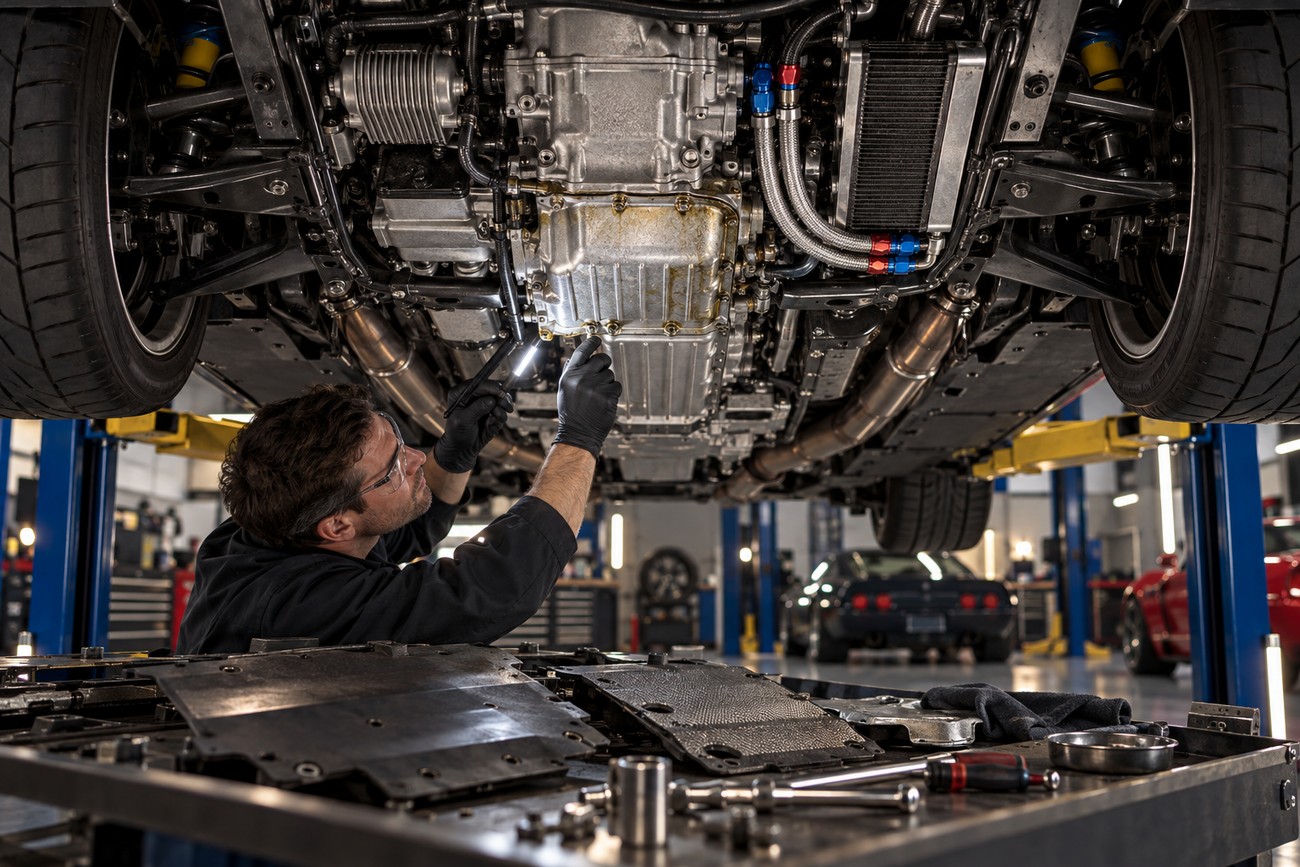
The LT5’s internal durability is one of the car’s strengths, yet the ownership experience is shaped heavily by the aging C4 platform around it. Common oil-leak sources include the oil pan, covers, head plugs, pressure sensor, and oil-cooling connections. Several of these faults are external and do not automatically indicate internal engine wear.
Restricted access can make a modest repair labor-intensive. Rare LT5 parts and specialized labor can cost more than comparable L98 service, particularly when an incorrect diagnosis leads to unnecessary disassembly or parts replacement.
Peripheral C4 complaints include the fuel-level gauge, steering-column play, seats, belts, air conditioning, and Bose audio. These systems may have little connection to the engine’s core durability, yet they influence reliability, safety, comfort, and the car’s value.
A car that starts readily and produces no obvious noise can still require substantial recommissioning. Age affects rubber, wiring, connectors, seals, and actuators, while long storage can create fuel-system problems that ordinary road use might have exposed earlier.
The practical ownership budget should therefore include diagnosis and age-related electrical or mechanical work. A documented repair history is valuable because it shows which peripheral systems have already been corrected and which risks remain open.
ZR-1 Myths, Hidden Weaknesses, and Smarter Collector Logic
Every ZR-1 does not have the 405-hp rating. That advertised figure begins in 1993, while early cars are described as 375 hp in some technical sources and 380 hp in some period tests and advertising materials.
An oil leak does not by itself prove a failed LT5. Inspect the oil pan, covers, head plugs, pressure sensor, and oil-cooling connections before drawing conclusions about internal wear. The repair may still be inconvenient, yet the diagnosis should match the source of the leak.
The idea of an indestructible LT5 creates its own buying risk. A durable engine core can coexist with aged vacuum hardware, clogged injectors, leaking seals, and unreliable electrical connections. Low mileage can conceal storage-related deterioration rather than eliminate it.
The transmission and rear differential share substantial commonality with ordinary C4 components, so not every drivetrain repair is unique to the ZR-1. Documented preventive maintenance and working peripheral systems can matter more than a lower odometer reading.
What Determines a C4 ZR-1’s Collector Value
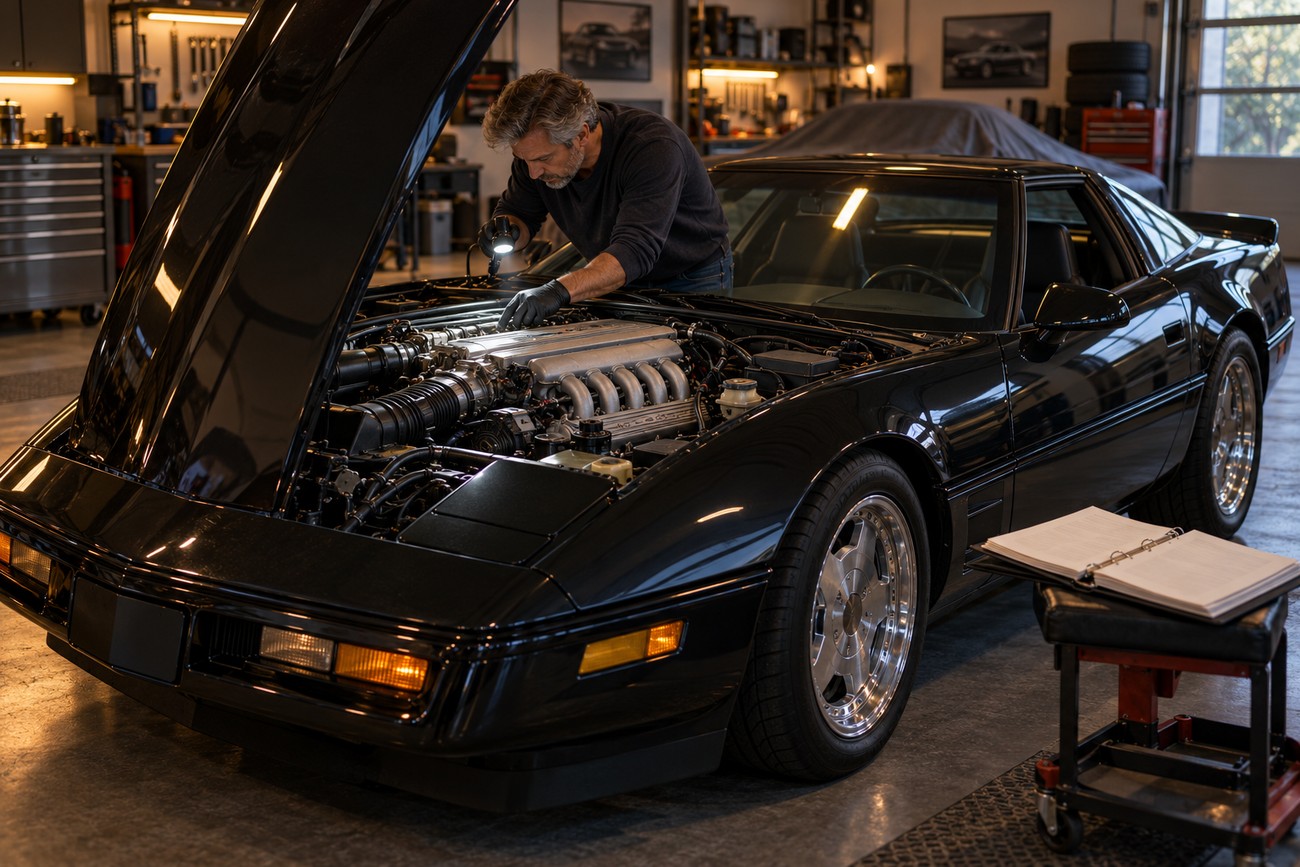
Collector appeal begins with originality and honest condition. Correct model-year specification, an operating secondary-throttle system, documented LT5 maintenance, and a clear leak history give buyers stronger evidence than cosmetic presentation alone.
Storage history deserves equal attention. A low-mileage car that spent years idle may have injector, seal, hose, and electrical risks that a regularly maintained driver has already exposed and repaired. Mileage is useful context, while condition and documentation carry greater weight.
Peripheral faults can reduce desirability even when the LT5’s core is healthy. A failed air-conditioning system, inaccurate fuel gauge, loose steering column, worn seats, faulty belts, or dead Bose audio adds work and affects how confidently the car can be used.
The strongest example is a documented car with verified secondary operation, credible service records, correct parts, and a specialist inspection. Such a ZR-1 is collectible because its working systems support the historical promise of the model rather than leaving that promise to the badge.
Frequently asked questions
The questions below focus on valuation, model-year identification, and recommissioning. Together, they reinforce the need to assess condition rather than rely on mileage or appearance. System checks and documentation remain central to each decision.
How much is a C4 ZR-1 worth?
A responsible valuation requires current comparable sales and a verified inspection. Originality, service records, a working secondary-throttle system, leak status, and storage history can move a car’s desirability substantially within the same model year.
Use recent sales as a starting point, then adjust for documented LT5 maintenance, correct specification, operating equipment, and deferred work. A generic model-year price cannot account for a car that needs specialist diagnosis or recommissioning.
How can you verify that a ZR-1 is a 405-hp car?
Start with the model year: the 405-hp advertised rating applies from 1993 onward. Confirm the year through factory documentation and vehicle records, then compare the engine identification and service history with the car being offered.
Badges and seller claims are supporting details only. A matching record trail is stronger evidence, especially when the car has received replacement parts or has incomplete documentation.
What should be done before driving a long-stored C4 ZR-1?
Recommission it in a controlled sequence: inspect and replace aged fluids as appropriate, check fuel delivery, examine hoses and seals, service the brakes, and verify the condition and age of the tires. Electrical checks should cover connectors, gauges, belts, air-conditioning controls, and other safety-related equipment.
Before sustained road use, confirm that the secondary-throttle system operates correctly and that the injectors are delivering evenly. A short initial drive should follow the static checks, with leaks, temperatures, braking, clutch operation, and warning indications monitored closely.







