
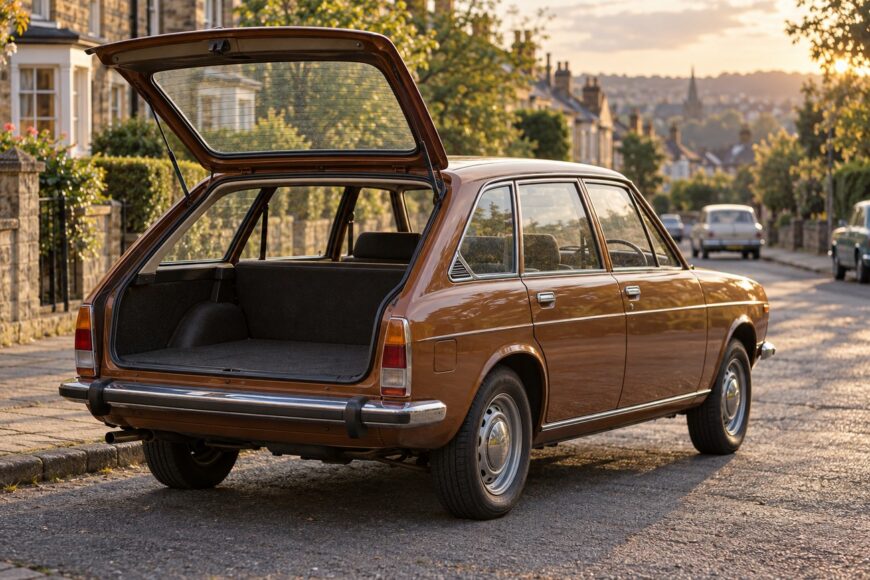
The Austin Maxi is often called the first British five-door hatchback. That description needs a boundary: the Renault 16 had already brought a comparable body style to Europe. The more defensible claim is that the Maxi was the first mass-market British family car of this five-door hatchback type.
Its significance went beyond the tailgate. Austin combined five doors, a transverse engine, front-wheel drive, a five-speed manual gearbox, and an adaptable interior in a car intended for ordinary family use. Those ideas remain familiar because they work. For a buyer today, however, the ingenious packaging comes with less appealing questions about structural rust, cooling, and gearshift quality.
- Why the Austin Maxi Mattered
- The Engineering Behind the Practicality
- 1500, 1750, and the Five-Speed Question
- What the Maxi Is Like to Own and Drive Today
- Rust, Cooling, and Gearbox Problems to Check
- Buying, Restoring, and Choosing the Right Maxi
- Frequently asked questions
- How many Austin Maxis were made?
- What did “All the fives” mean on the Austin Maxi?
- Was the Renault 16 earlier than the Austin Maxi?
Why the Austin Maxi Mattered
Produced from 1969 to 1981, the Austin Maxi was a front-wheel-drive five-door hatchback conceived around usable family space rather than the appearance of a conventional saloon. Its rear opening made bulky luggage easier to load, while the passenger area could be rearranged for changing demands. The result was an early British example of a layout that would become commonplace in family cars.
The word “first” is easy to overextend. Renault’s 16 appeared earlier as a European five-door family hatchback, so the Maxi cannot reasonably claim to have invented the form or introduced it to Europe. Its place in history is narrower and more interesting: it brought this combination of features to the mass-market British family-car sector.
Austin’s “All the fives” message pointed to five doors and five manual transmission speeds. The gearbox mattered because an extra ratio was a conspicuous feature in a family car at launch, alongside the flexible body. The slogan described the Maxi’s specification; it was never sound evidence that no earlier hatchback existed.
Seen as a complete package, the Maxi anticipated a durable formula: put the mechanical components across the front, drive the front wheels, and give much of the remaining length to people and their belongings. That achievement does not require an exaggerated world-first claim. It is also why a sound Maxi can still feel remarkably useful despite its age.
The Engineering Behind the Practicality
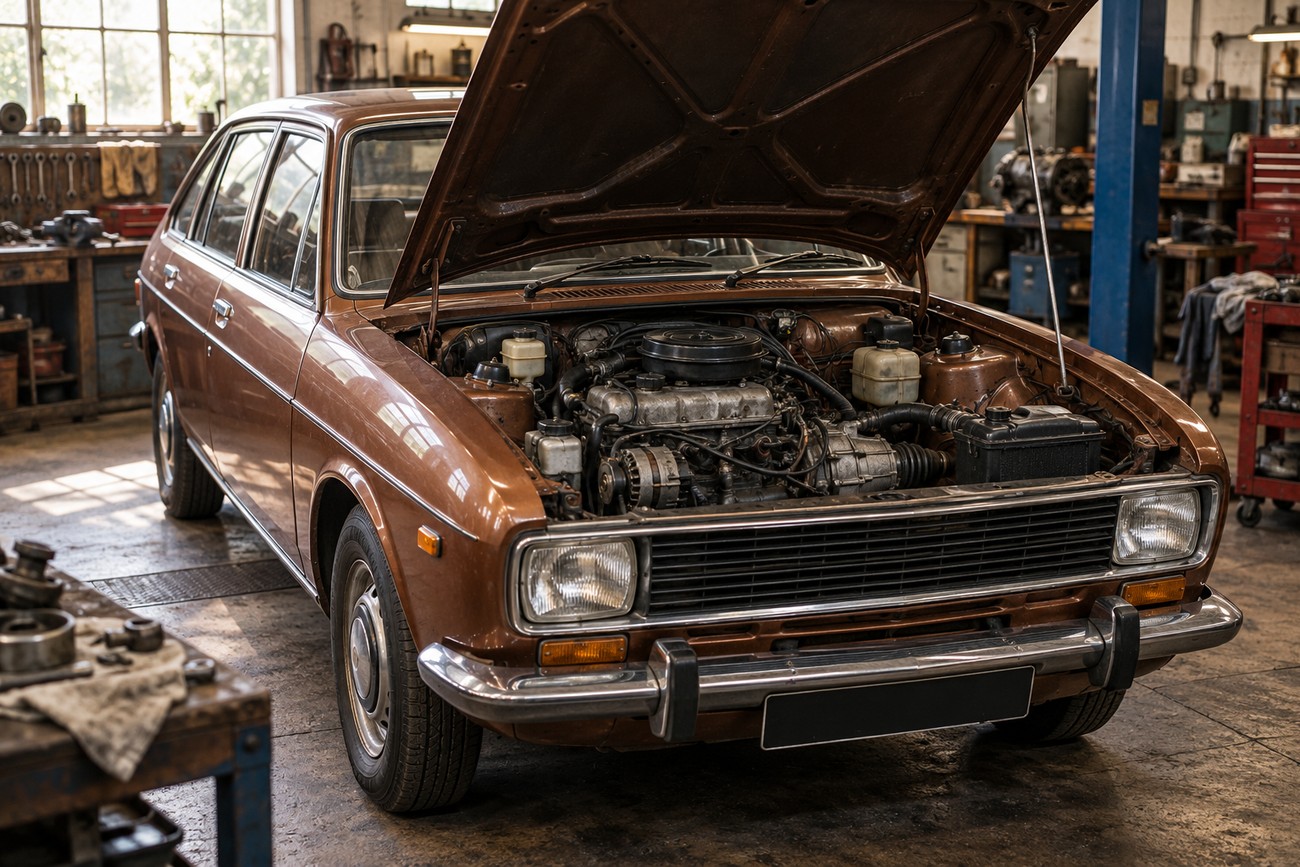
The transverse-engine, front-wheel-drive layout helped Austin allocate space efficiently within a moderate-sized body. The Maxi was approximately 4039 mm long and 1626 mm wide, with an approximately 2661 mm wheelbase. That relatively long distance between the axles helped make room for passengers without demanding an especially long car, a benefit when carrying a family or finding space to park.
Its adaptable interior was as important as the rear hatch. The passenger area could be transformed to accommodate different combinations of occupants and luggage, making the car useful for journeys that did not fit a fixed saloon boot. The advantage is practical rather than theoretical: a large item that would defeat a small boot opening could be approached through the Maxi’s full-height rear access.
Independent suspension formed part of the engineering package, but the car was designed around family utility rather than sporting handling. Its approximately 978 kg mass also puts the engine choices in context: space and versatility did not make the original 1500 feel effortless when the car was loaded. Specifications can vary by version and source, so these measurements are best treated as guide figures rather than a substitute for checking an individual car.
Packaging brings a less obvious ownership consequence. The generous cabin and useful rear opening may persuade a buyer to focus on seats, trim, and the hatch itself, yet the condition of the structure underneath determines whether that practicality can be enjoyed safely. Interior flexibility is a strong reason to want a Maxi; it is not a reason to relax a corrosion inspection.
1500, 1750, and the Five-Speed Question
The original Maxi 1500 used a 1485 cc E-Series four-cylinder overhead-valve engine. In a family-sized body, it is commonly judged short of performance, especially when carrying passengers or luggage. A test drive should therefore reflect the use you have in mind: an unladen run on quiet roads may conceal how much effort the engine needs in normal traffic.
Later cars gained a 1748 cc four-cylinder engine, and the 1750 generally feels more convincing. Versions with different carburetor arrangements should not be judged solely by a badge or a seller’s description; establish what engine and equipment the particular car has. The stronger character improves everyday usability, although it does not turn the Maxi into a sporting car.
A five-speed manual gearbox was a key launch feature, giving Austin an unusually clear technical selling point. The extra ratio was valuable on paper, but early cable-operated shift mechanisms could make selecting a gear feel vague or rubbery. Gear count and gearshift quality are separate matters: a car may have all five speeds and still be frustrating to drive.
Later improved linkage arrangements changed that experience, so an early Maxi and a later one should not automatically be treated as mechanically identical. Nor should shift-system parts be assumed interchangeable when ordering replacements. Check the production year and the components actually fitted, particularly on a car that has undergone previous repairs.
A four-speed automatic was offered from 1974, widening the choice beyond the original manual concept. Whichever transmission is fitted, its condition matters more than the novelty of its specification. The manual also has reported gearbox failures associated with a loosening nut on the main shaft; there is no dependable mileage at which a buyer can assume the risk has passed.
What the Maxi Is Like to Own and Drive Today
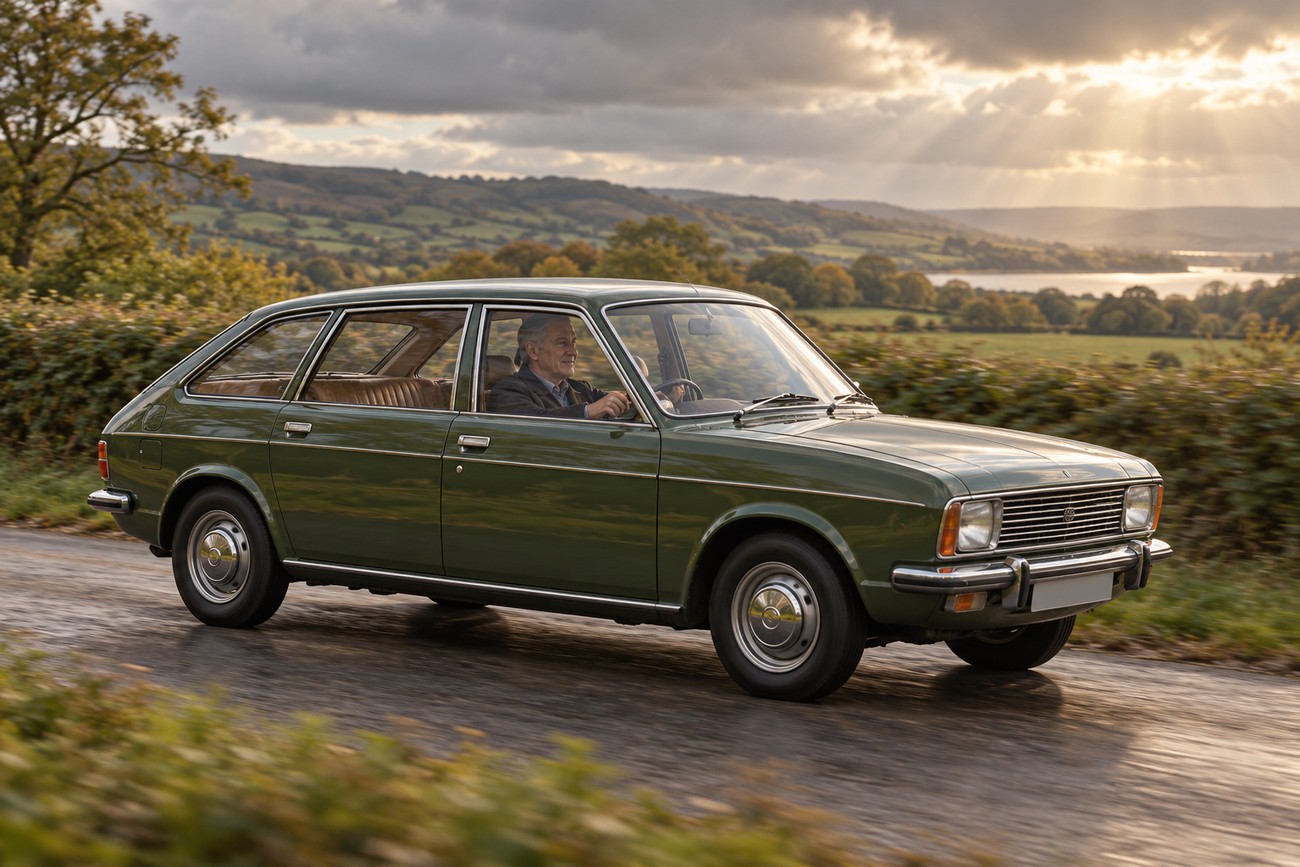
A good Maxi rewards a measured approach. It offers a spacious, adaptable cabin and a distinctive example of British family-car engineering, while its pace and handling remain modest by the standards of many later cars. It suits an owner who wants to use its space and understand its design, rather than someone seeking brisk acceleration or precise, sporty responses.
The 1500 and 1750 feel like different ownership propositions. The 1500’s limited performance may be acceptable for gentler use, but it can require more planning when joining traffic or climbing with a load. The 1750’s stronger response makes it the easier recommendation for someone intending to drive regularly, provided the individual car is sound.
Reliability deserves the same distinction between reputation and evidence. The Maxi is sometimes regarded more favorably than the Allegro and Princess, although that comparison may partly reflect owner perception. It cannot tell you whether a particular cooling system has been maintained, whether its gear selection is accurate, or whether previous repairs have lasted.
Living with one also depends on access to suitable parts and people who know the model. A small surviving fleet limits both, so a seemingly minor fault can require more research than it would on a common classic. Before treating a pleasant test drive as proof of an easy ownership experience, establish how you would maintain the car and obtain version-correct components.
Rust, Cooling, and Gearbox Problems to Check
Begin a Maxi inspection with the structure, even if the paint and interior look inviting. Corrosion is reported in the front wings and doors, but the front sections of the sills and the rear-suspension mounting points deserve particular attention because deterioration there has more serious implications. An apparently cosmetic blemish can coexist with deeper damage out of sight.
Inspect the front sill structure and rear-suspension mounting areas from underneath before allowing polished paint, tidy trim, or a working five-speed gearbox to settle your judgment.
Look for evidence of previous repairs as well as visible rust, and arrange a knowledgeable inspection if access beneath the car is limited. A clean outer panel does not establish the condition of the metal behind it. Conversely, visible corrosion in a door or wing should prompt a closer structural check rather than an immediate assumption that every rusty area has equal significance.
Cooling needs a proper road test. Overheating is a recurring concern, especially in hot conditions or where the system has not been adequately maintained, and a short drive from cold may reveal nothing. Allow the engine to reach working temperature, then assess it under load and watch for signs that it cannot remain stable; any problem warrants investigation before purchase rather than a promise of a simple fix.
Drive through all the manual gears and pay attention to the accuracy and consistency of selection. An early cable-operated shift can feel rubbery, but a seller’s assurance that “they all do that” should not replace an examination of the cables, selector mechanism, and gearbox. Reported failures associated with a loosening main-shaft nut add another reason to take unusual transmission behavior seriously, without assuming that age or mileage predicts when a failure might occur.
Buying, Restoring, and Choosing the Right Maxi
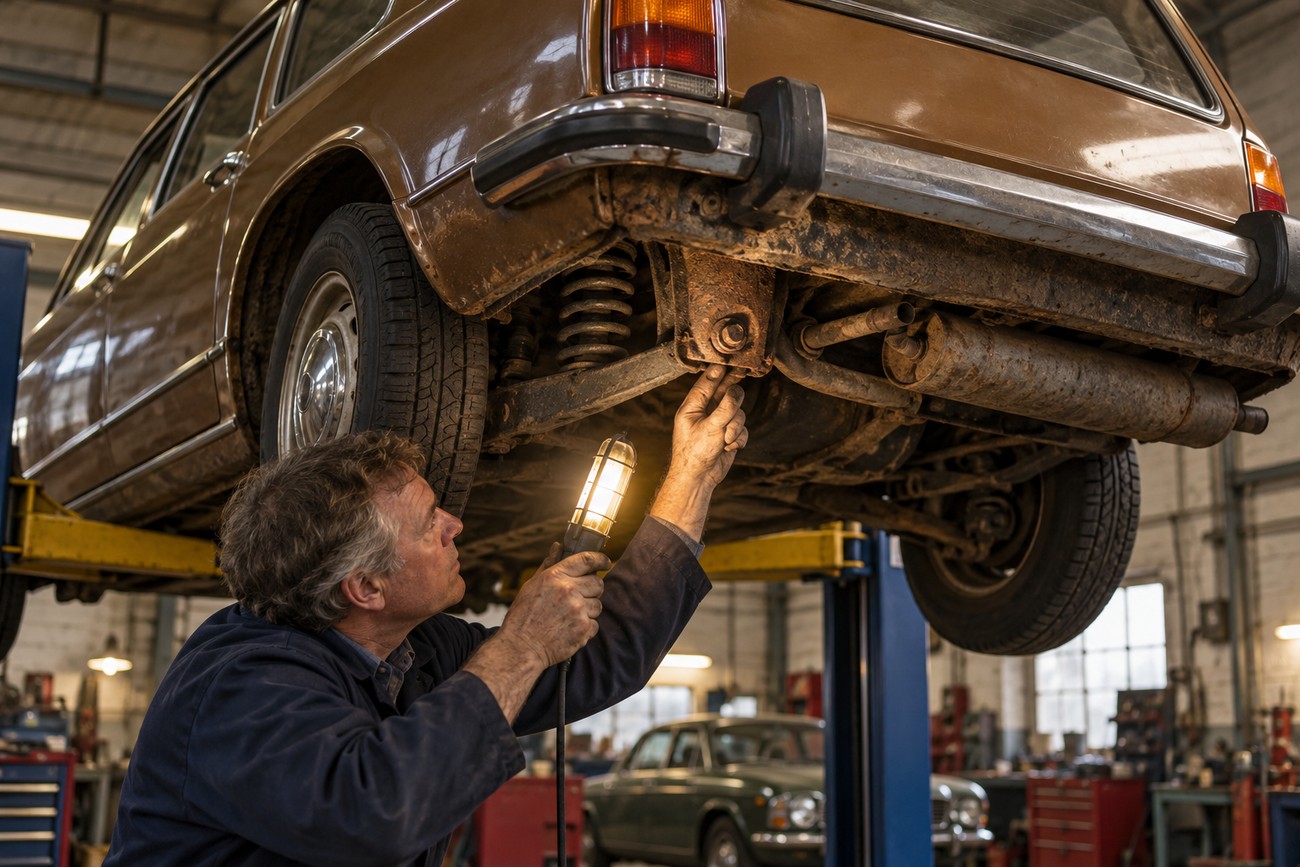
Choose the best structure you can assess, rather than the brightest finish or lowest asking price. Front sill sections and rear-suspension mounts should carry more weight in the decision than cosmetic presentation, because substantial metalwork can overwhelm the apparent saving on a cheap car. A prospective restoration deserves an inspection from underneath before its paint or trim becomes the basis of a budget.
Decide how the car will be used before choosing between a 1500 and a 1750. An early 1500 may appeal for its place in the model’s history, but its modest performance and cable-operated shift call for realistic expectations. A 1750 may suit more frequent driving better; its stronger engine still does nothing to excuse rust, poor cooling, or a faulty transmission.
Parts research must follow the specific car, not merely the Maxi name. Engine specification, shift-linkage arrangements, and suspension details changed across production, and past repairs may complicate identification further. Confirm the production year and fitted components before ordering: an apparently correct catalog listing is little help if it belongs to another version.
Limited parts availability and model-specific repair knowledge can make a low purchase price misleading. Price the known defects, establish whether suitable components and competent repair are accessible, and leave room for faults an inspection cannot fully expose. The best Maxi to buy is the one whose structure and mechanical condition support its intended use, even if another example looks more impressive in photographs.
Frequently asked questions
The Maxi’s history attracts a few recurring points of confusion, particularly about production numbers and its claim to be a first. These short answers separate the model’s documented significance from the broader claims sometimes attached to it.
How many Austin Maxis were made?
Approximately 422,000 Austin Maxis were produced. Published totals can differ according to the counting method and the final production year used, so the figure is best read as an approximate total rather than a precise tally. Production ran from 1969 to 1981.
What did “All the fives” mean on the Austin Maxi?
“All the fives” referred to the five-door body and the five speeds of the manual gearbox. It highlighted two features that helped distinguish the Maxi as a family car at launch. The phrase did not mean that it was the first five-door hatchback anywhere, and it should not be used as evidence for that claim.
Was the Renault 16 earlier than the Austin Maxi?
Yes. The Renault 16 appeared earlier in Europe as a five-door family hatchback. The Maxi’s defensible “first” claim is more specific: it was the first mass-market British family car of this five-door hatchback type, rather than the first European hatchback.







