
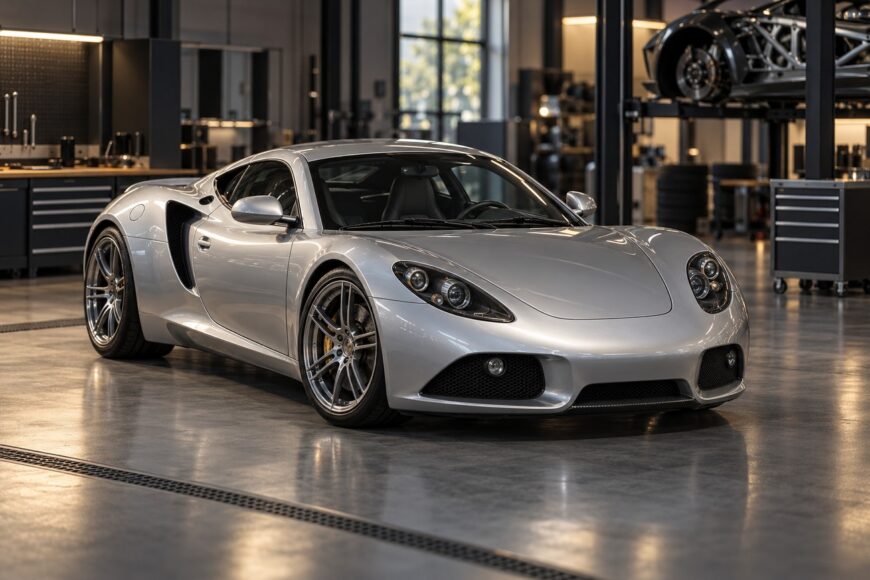
The Artega GT combined an exotic mid-engine, rear-wheel-drive layout with Henrik Fisker’s clean coupe design and Volkswagen’s 3.6-liter VR6. That combination gave it the ingredients of a serious lightweight sports car, yet its production life was remarkably short.
Production began in Delbrück in 2008, and GT production ended on September 30, 2012, after Artega filed for bankruptcy in July 2012. The surviving cars are therefore rare by circumstance as much as by intent. The central buying dilemma is clear: the GT offers unusual engineering and low weight, while its bespoke bodywork, electronics, and support network can be harder to secure than its shared engine suggests.
A Volkswagen badge on selected mechanical components does not turn the Artega into a familiar donor-car project. A good example can be an engaging and distinctive sports car; a neglected one may require specialist knowledge, patient parts sourcing, and a larger contingency budget than its relatively conventional VR6 might imply.
- What the Artega GT was—and why it mattered
- Artega GT specifications: claimed figures versus context
- Artega GT production numbers: rarity versus expectation
- The ownership reality: Volkswagen hardware, Artega-specific problems
- What to check before buying an Artega GT
- Performance claims, myths, and the uncomfortable trade-offs
- Frequently asked questions
- Why do sources quote 150, 153, and larger production numbers for the Artega GT?
- What makes one Artega GT more desirable than another?
- What car is a poor man’s Ferrari?
What the Artega GT was—and why it mattered
The Artega GT was conceived as a low-volume mid-engine coupe rather than a mass-market Volkswagen derivative. Its engine sat behind the cabin and drove the rear wheels, giving the car the layout expected of a purpose-built sports car. Henrik Fisker’s design kept the body compact and visually restrained, while the aluminum structure and composite panels supported the car’s lightweight brief.
That positioning mattered because Artega was attempting to occupy a narrow space between mainstream performance cars and established specialist sports-car makers. The GT used recognizable Volkswagen hardware where possible, but the complete vehicle was engineered around a unique chassis, body, interior, wiring system, and packaging solution. It was therefore a small manufacturer’s sports car with selected mass-production components, not a Volkswagen model wearing a different badge.
Production began in Delbrück in 2008. Artega filed for bankruptcy in July 2012, and GT production ended on September 30, 2012. The short timeline helps explain why the car never developed the broad dealer, service, and parts infrastructure that buyers of a larger manufacturer’s coupe would normally expect.
The Artega SE was a separate electric project and should not be treated as continued GT production. Paragon acquired Artega, but GT production was not resumed as a sports-car model. That distinction is important for buyers who encounter claims that the model continued under new ownership.
Artega GT specifications: claimed figures versus context
The headline specification is compelling, but the figures need to be read as period claims rather than guaranteed results from every surviving car.
| Item | Claimed specification | Ownership context |
|---|---|---|
| Engine | Transversely mounted 3.6-liter naturally aspirated Volkswagen VR6 | Familiar core hardware, but access and installation are Artega-specific. |
| Transmission | 6-speed DSG | Requires assessment of the gearbox, clutches, mechatronics, software, and integration. |
| Drivetrain | Mid-engined, rear-wheel drive | Creates the car’s balance and character while making packaging and servicing less conventional. |
| Output | About 300 PS | Actual performance depends on condition, calibration, and measurement method. |
| Torque | 350 Nm | Useful for strong acceleration, with the DSG responsible for managing delivery. |
| Mass | Approximately 1,100 kg claimed | Running mass can vary with equipment, fluids, and measurement method. |
| Acceleration | 0–100 km/h in under 5 seconds claimed | Some sources cite approximately 4.5 seconds; tires, surface, DSG condition, and test method matter. |
| Top speed | Above 270 km/h claimed | A period claim, not a universal result for every current car. |
| Chassis | Aluminum spaceframe with composite body panels | Lightweight construction can make accident repair and panel sourcing difficult. |
| Suspension | Independent double wishbones front and rear | Offers useful control, but Artega-specific chassis parts may be scarce. |
| Brakes | Ventilated discs on both axles with ABS | Inspection must include the hardware and the electronic systems that control it. |
| Wheels | Standard 19-inch wheels | Correct wheels and suitable low-profile tires affect grip, comfort, ABS/ESP operation, and cost. |
The transverse VR6 helped Artega keep the body compact. It also made the engine bay dense, with less straightforward access than many sports cars using a longitudinal engine installation. The 6-speed DSG added rapid shifts and suited the car’s performance brief, but its condition cannot be judged from the engine alone.
The chassis used an aluminum spaceframe with composite body panels. Independent double-wishbone suspension was fitted at both ends, while ventilated disc brakes and ABS provided the stopping hardware. Standard 19-inch wheels completed the visual and dynamic package, although their large diameter leaves less tire sidewall to absorb poor road surfaces and sharp impacts.
The claimed output was about 300 PS and 350 Nm, with approximately 1,100 kg quoted for mass. The stated acceleration was under 5 seconds from 0–100 km/h, with some sources giving approximately 4.5 seconds, and the claimed top speed was above 270 km/h. Those figures depend on tires, surface, DSG condition, actual running mass, equipment, fluids, and the measurement method used.
Artega GT production numbers: rarity versus expectation
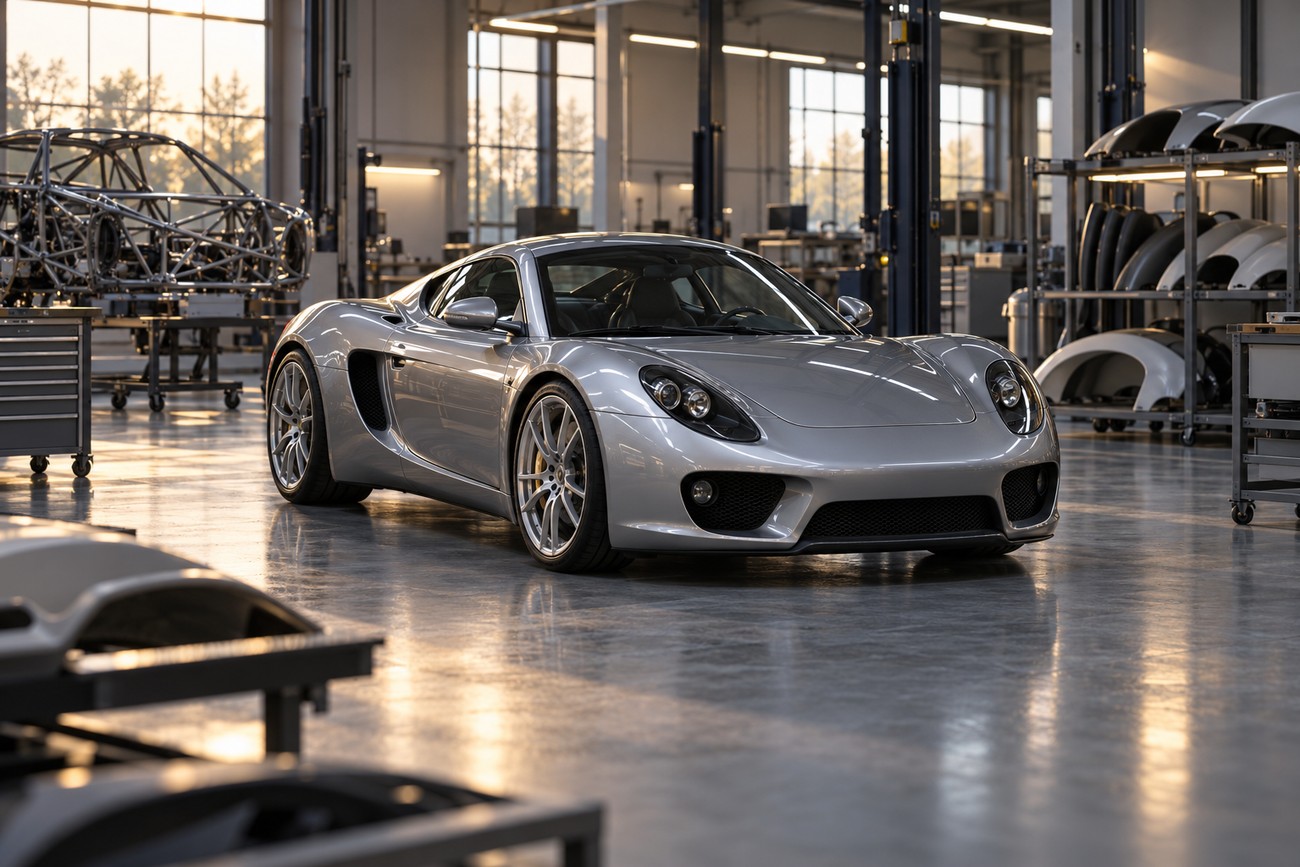
Artega’s early plans targeted 300–350 cars per year. That volume was not achieved, and the company’s brief production run left far fewer cars on the road than the original business ambition suggested.
The safest description of total GT production is about 150–153 cars. The precise figure of 153 appears in individual catalogues rather than a confirmed factory registry, so “about 150” is the more cautious wording when documenting the model’s history.
This production scale makes the GT rare, but rarity does not automatically create strong resale demand. A collector needs enough confidence in parts supply, serviceability, documentation, and future market interest to commit money. The Artega lacks the broad enthusiast and specialist infrastructure enjoyed by more established Porsche or Lotus alternatives.
Paragon acquired Artega, but it did not resume GT production as a sports-car model. The small surviving population therefore has no later production run to provide a larger parts ecosystem or a clearer factory-backed continuation story.
The ownership reality: Volkswagen hardware, Artega-specific problems
The VR6 gives the Artega a useful donor base, and some transmission components may also be familiar to Volkswagen specialists. That can make engine-related work more manageable than the car’s rarity suggests. It does not make every repair a routine Volkswagen job.
Body panels, glass, interior pieces, original electronics, and other Artega-specific parts can be difficult to source. A donor car is particularly valuable, yet finding one may be nearly as difficult as finding the part itself. Previous accident repairs deserve close scrutiny because a replacement panel or piece of glass may have an uncertain origin, fit, or installation history.
Diagnosis must trace the Artega’s wiring, cooling, DSG calibration, and control-module integration rather than treating the car as a standard Volkswagen donor vehicle.
The DSG needs a technician who understands both Volkswagen hardware and the way Artega integrated it into the mid-engine chassis. Cooling paths, wiring, calibration, and communication between control modules can all differ from the assumptions used on a familiar Volkswagen application. A normal VAG workshop may be capable with the engine yet still lack the information or experience needed for the complete car.
The driving position also has practical drawbacks. Low seating, wide sills, and limited cabin space can make entry difficult for taller drivers, while the 19-inch wheels and low-profile tires increase the risk of wheel damage and transmit more road shock on poor surfaces. Independent systematic owner-complaint data is limited, so common failures cannot be ranked with high confidence; buyers should avoid treating isolated reports as a definitive reliability chart.
What to check before buying an Artega GT
Begin with the car’s identity and history, not its engine note. Verify the VIN against the registration documents, import records, and available service paperwork. Because so few cars were built, an error in the model description, identity record, or ownership history can create disproportionate problems during registration, insurance, export, or resale.
Inspect the body and glass for provenance, repair quality, and correct fit. The aluminum spaceframe requires careful examination after any accident, while composite panels can conceal or complicate previous repairs. Ask which original components remain with the car, whether removed parts are included, and whether the seller can identify sources for any non-standard replacements.
Assess the engine and DSG separately from their Artega-specific installation. Check cold starting, temperature control, leaks, cooling performance, gearbox behavior, clutch operation, fault codes, and service records. The engine may have a clearer donor base than the chassis, but a familiar VR6 does not remove the need to inspect the surrounding cooling, wiring, calibration, and mounting systems.
Test every electrical function during a proper inspection. That includes all control modules, instruments, warning lights, windows, climate control, lighting, central locking, and the original immobilizer. Confirm that all keys are present and functional, because replacing a missing key or resolving an immobilizer fault can be more involved than on a higher-volume Volkswagen.
Finish with the wheels, tires, suspension, brakes, and documents. Check the correct 19-inch wheels for cracks, repairs, and distortion, and confirm that the tires are appropriate and in good condition. A documented history, complete keys, stock parts, confirmed servicing, and available spares can matter more than a lower odometer reading on a car whose specialized components are difficult to replace.
Performance claims, myths, and the uncomfortable trade-offs
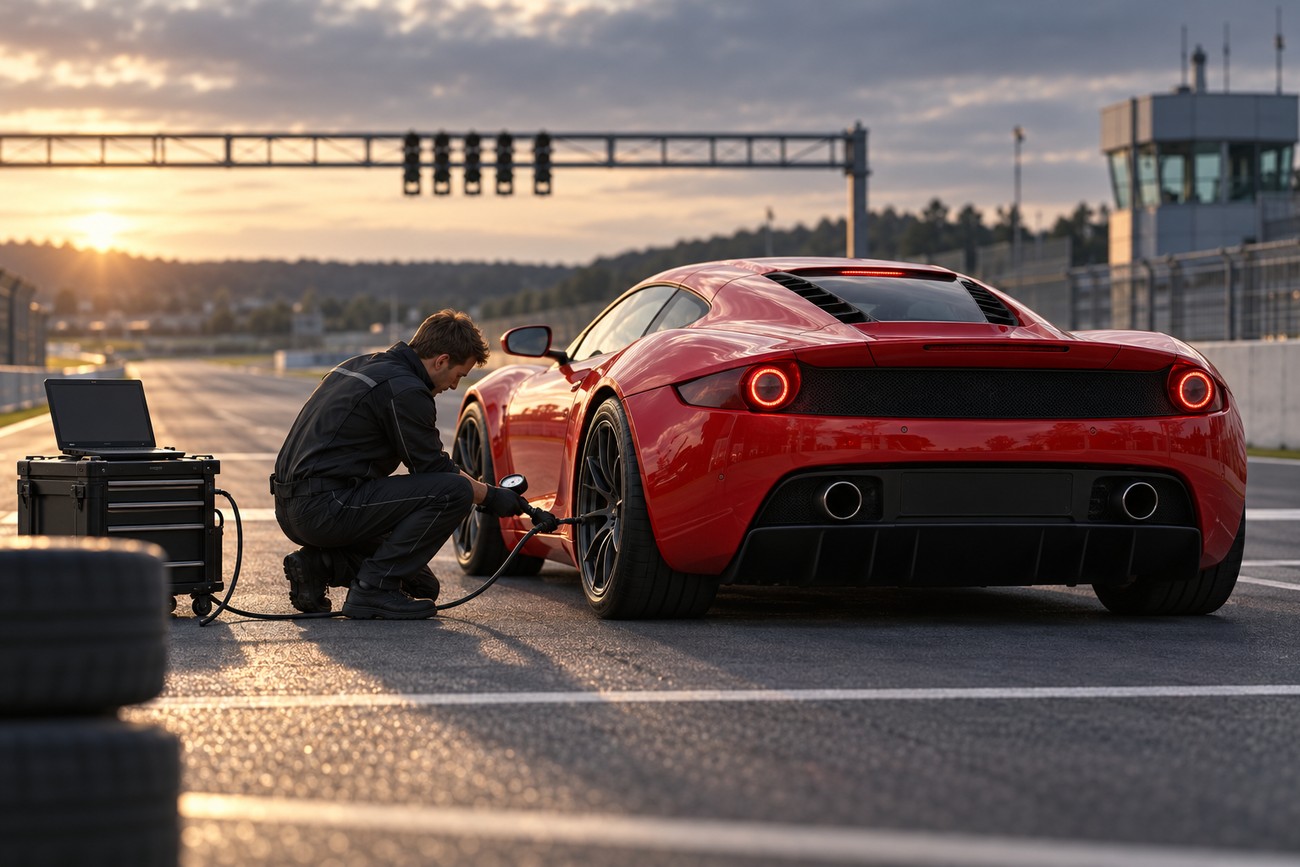
The Artega’s stated 300 PS, under-five-second 0–100 km/h time, and top speed above 270 km/h make sense on paper for a lightweight, rear-wheel-drive sports car. They should still be treated as claims attached to a specification, not as independently verified results for every surviving example.
Sources vary on acceleration, including figures around 4.5 seconds and the broader statement of under 5 seconds. Tires, road surface, DSG condition, launch technique, and measurement method can all change the result. A car carrying different equipment or fluids may also have a running mass that differs from the approximately 1,100 kg claimed figure.
Another persistent mistake is assuming that substantial serial production took place because early plans targeted 300–350 cars per year. Actual output is generally described as about 150–153 cars, and the catalogue-based figure of 153 should not be presented as a confirmed factory total.
Volkswagen compatibility is concentrated in selected powertrain components. It can simplify some engine and transmission work, but it does not solve the supply problem for bodywork, glass, interior trim, chassis parts, electronics, or Artega-specific integration. Likewise, Paragon’s acquisition did not lead to renewed GT production, and rarity alone does not guarantee easy resale or rising values.
Frequently asked questions
The key questions concern production numbers, desirable specifications, and the car’s reputation as an affordable exotic. The answers also return to the same ownership priorities: condition, originality, documentation, and parts support. These factors matter more than a simple comparison of mileage or performance claims.
Why do sources quote 150, 153, and larger production numbers for the Artega GT?
About 150–153 cars is the safest description of completed GT production. “About 150” reflects cautious historical wording, while 153 comes from individual catalogues rather than a confirmed factory registry. Larger figures usually relate to the early plan for 300–350 cars per year, which was never achieved, rather than to the number of GTs actually built.
What makes one Artega GT more desirable than another?
Condition and supportability matter more than headline mileage. A stronger car will usually have documented history, complete keys, original body and interior parts, correct wheels and tires, confirmed specialist servicing, and evidence that its electrical systems and DSG integration work correctly.
A lower-mileage car with unknown repairs, missing stock parts, incomplete documentation, or improvised electronics may be a weaker purchase. On a car this rare, originality and the ability to maintain it can outweigh a modest difference in odometer readings.
What car is a poor man’s Ferrari?
There is no single accepted “poor man’s Ferrari.” The phrase is informal and can describe affordable mid-engine or exotic-looking sports cars, but it says little about engineering quality or ownership cost. The Artega GT fits the mid-engined, low-volume idea, yet its rare parts and specialist support mean it should not be assumed to be a cheap Ferrari substitute.







