
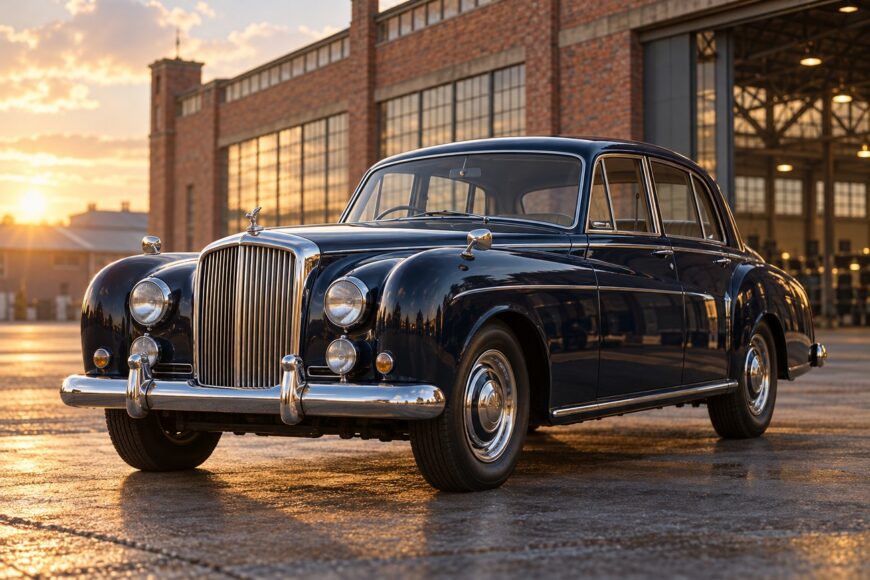
Armstrong Siddeley Sapphire refers to two very different achievements: a British saloon car and a family of aircraft engines. The car is the subject here, although the shared name often leads listings and search results toward aviation.
The saloons appeal through their formal presence, restrained luxury, and connection with a manufacturer better known for aircraft than mass-market motoring. Judging one today requires care, because model names, specifications, restoration quality, and surviving documentation are often blurred together.
- A Sapphire saloon, not a jet engine
- What the aircraft maker brought to the road
- The Sapphire models are not interchangeable
- How the saloon feels beyond its brochure image
- The ownership risks a polished photograph cannot show
- How to judge an example before agreeing a price
- Frequently asked questions
- How much is an Armstrong Siddeley Sapphire worth?
- What happened to Armstrong Siddeley?
- Who made Armstrong Siddeley cars?
- Where can I check a Sapphire’s original specification?
A Sapphire saloon, not a jet engine
Armstrong Siddeley used Sapphire for a range of saloon cars and, separately, for a family of aircraft engines. The two uses reflect the company’s broad industrial identity, yet they describe separate products. A Sapphire saloon did not contain a Sapphire jet engine simply because both carried the same name.
The car names a reader may encounter include Sapphire 346, Sapphire 234, Sapphire 236, and Star Sapphire. These are distinct car designations, rather than interchangeable labels for one body, engine, or specification. A listing that says only “Armstrong Siddeley Sapphire” leaves an important part of the identification unresolved.
The aviation connection still matters as historical context. Armstrong Siddeley’s reputation as an aircraft maker helped give its cars an unusual technical image and a more formal identity than many ordinary family saloons. It does not prove that aircraft components, jet technology, or aviation-engine performance belonged in the road car.
What the aircraft maker brought to the road
Armstrong Siddeley approached the saloon market with the authority of an established engineering company. That background shaped the car’s presentation: the Sapphire was intended to appear substantial, carefully appointed, and suitable for owners who valued dignity as much as transport. Its appeal today lies partly in that distinctive position between conventional family car and formal luxury saloon.
Period luxury is best understood through the cabin and the way the car presents itself. Materials, seating, instrumentation, exterior trim, and the general sense of occasion matter more to a modern observer than advertising claims about engineering brilliance. A well-preserved interior can explain why these cars attracted loyal owners, while worn trim can quickly expose years of neglect.
The company’s aerospace identity should therefore be treated as context, not as a specification sheet. The saloon was a road vehicle designed for its period, with its own mechanical systems and service requirements. Descriptions that imply a direct transfer of jet-engine components usually confuse the manufacturer’s activities with the construction of the car.
That distinction also protects the buyer from inflated assumptions. An aircraft-maker badge does not guarantee exceptional durability, effortless performance, or modern refinement. It tells you where the marque came from; the individual car must still demonstrate sound structure, proper maintenance, and credible documentation.
The Sapphire models are not interchangeable
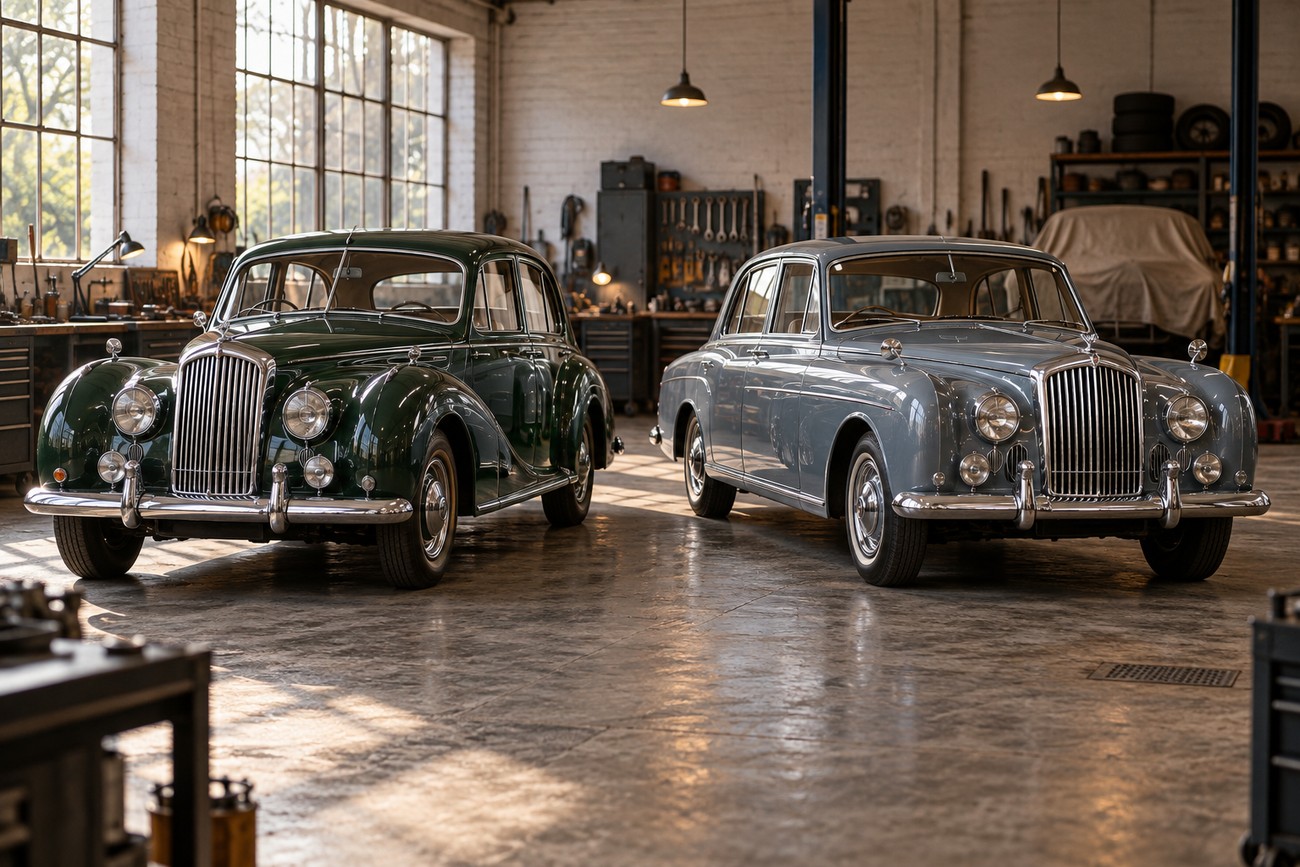
A car advertised simply as a “Sapphire” needs further identification before its condition or value can be assessed. Sapphire 346, Sapphire 234, Sapphire 236, and Star Sapphire are distinct names within the car range. Their specifications, trim, mechanical details, and parts requirements should be tied to the identified version rather than borrowed from another model.
Begin with the chassis or identification information, the body style, the badges, and any factory or club records that accompany the car. Compare those details with period documentation before accepting an owner’s description or a sales listing. A familiar-looking dashboard or a replacement badge can make a car appear to belong to a different variant.
This matters when sourcing parts. A component described as suitable for “an Armstrong Siddeley Sapphire” may fit only one version, or may have been adapted during a previous repair. Ask for the exact model designation before comparing mechanical parts, trim, electrical equipment, or restoration advice.
The same discipline applies to specifications. Do not take a figure published for one Sapphire and present it as a characteristic of the entire range. Establish the car’s identity first, then use model-specific technical references to judge what is original, what is modified, and what may simply be an error repeated through online listings.
How the saloon feels beyond its brochure image
A sound Sapphire should be approached as a period British saloon, not as a modern car wearing older styling. Steering, braking, acceleration, noise insulation, and ride quality reflect the expectations and engineering priorities of its era. The experience can be calm and imposing, yet it will not provide the effortless control or predictable refinement many drivers now take for granted.
The cabin’s formal character is part of the attraction. You sit in a car designed to make ordinary journeys feel deliberate, with a substantial dashboard and a sense of mechanical presence. That character becomes less enjoyable when worn suspension, vague controls, poor braking, or persistent rattles are mistaken for normal “old-car behavior.”
Driving impressions depend heavily on the particular version and its condition. Two cars carrying the Sapphire name may differ in equipment, maintenance, and previous repairs, so a general description cannot replace a road test. Starting, idling, selecting gears, steering through a full range of movement, and braking from different speeds can reveal more than a polished presentation.
There is also a counterintuitive point for first-time buyers: a car that feels exceptionally quiet on a short drive may simply have been driven gently around a seller’s property. Allow time for the engine, transmission, cooling system, and brakes to show their behavior at operating temperature, where neglected service work is more likely to become apparent.
The ownership risks a polished photograph cannot show
Inspection should begin with structure, even when the paint and upholstery look excellent. Check the sills, floor areas, suspension mounting points, inner wings, door structures, and other places where corrosion or old repairs may be concealed. Fresh paint can improve appearance while making the quality of previous metalwork harder to judge.
Look for uneven panel gaps, evidence of welding, trapped moisture, mismatched finishes, and repairs that have been covered rather than properly completed. Then examine the mechanical history: cooling-system work, oil leaks, brake maintenance, steering wear, electrical repairs, and the quality of replacement components. A folder of invoices is useful only when it identifies what was done and to which car.
Structural repair quality should be verified before time is spent judging trim. Once the variant is confirmed, check that replacement parts match it; an attractive car can become difficult to maintain when its repairs combine components from different Sapphire models.
Parts availability is a practical risk, particularly when a seller cannot identify the exact variant. Version-correct trim and mechanical components may require specialist searches, club contacts, or careful refurbishment of original items. That does not make every Sapphire impractical, but it does make an undocumented or heavily modified example harder to budget accurately.
Aircraft-engine reliability claims have no place in this inspection. The relevant questions concern the saloon’s structure, repairs, maintenance, and parts compatibility. A clean cabin is welcome, yet it cannot establish that the car is safe, mechanically healthy, or correctly assembled.
How to judge an example before agreeing a price
Start by confirming exactly what is being offered. Record the model designation, identification numbers, body details, ownership history, and available factory or club documentation. If the description changes between the advertisement, the paperwork, and the car itself, resolve that discrepancy before discussing value.
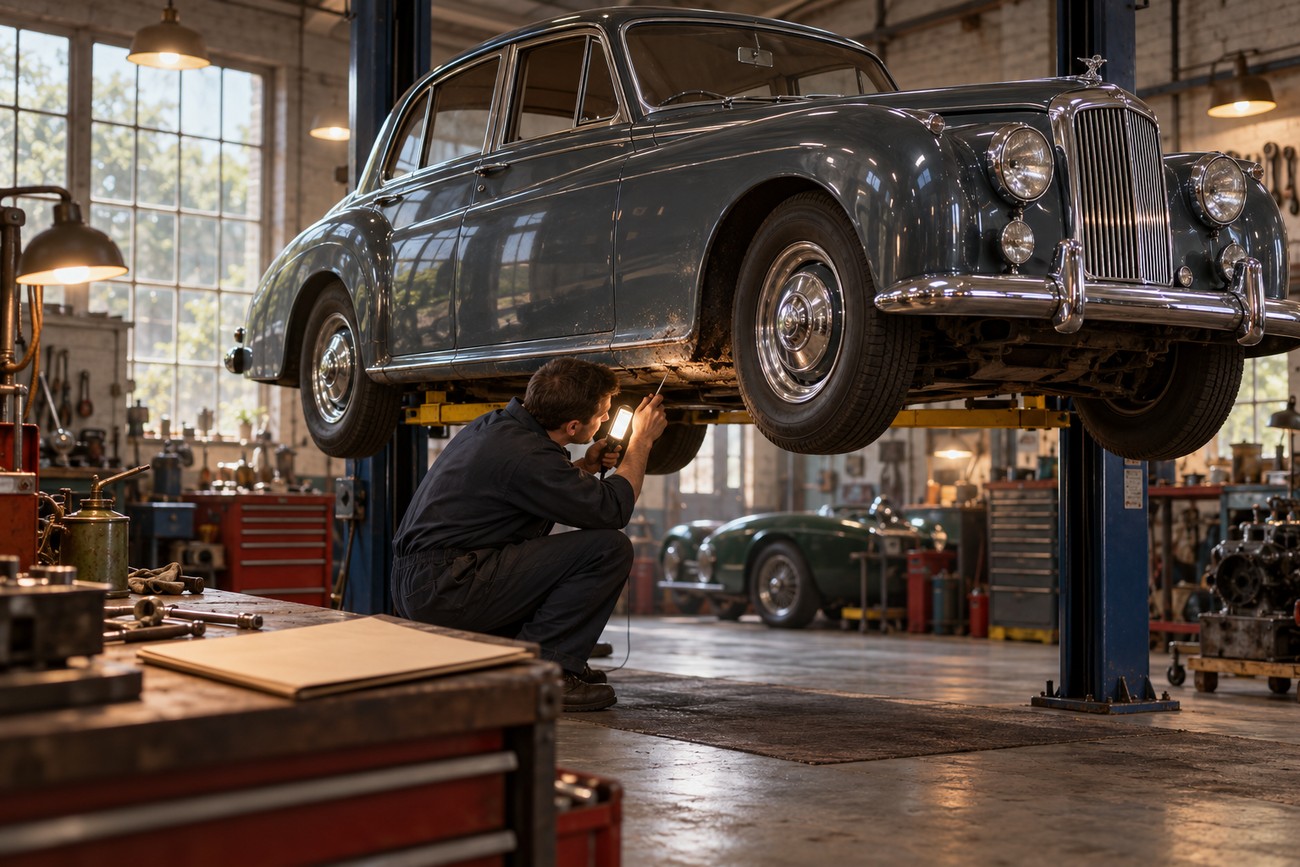
Next inspect the structure and mechanical condition in a fixed order. Look beneath the paint, examine repairs, check the major controls, and assess whether the car can be driven and stopped safely. A specialist inspection is especially sensible when corrosion, incomplete restoration, or uncertain mechanical work is involved.
Only after those steps should you compare the asking price with relevant completed sales. Use examples of the same Sapphire variant in a similar market, then adjust for documented condition, originality, usable mechanical systems, and the cost of unfinished work. A high advertised price is evidence of a seller’s expectation, not proof of what the car is worth.
Condition also includes the quality of the story attached to the car. A modestly presented Sapphire with consistent records may be a safer proposition than a freshly painted example with vague history. The nameplate creates interest, but the identified version, structure, maintenance evidence, and realistic restoration plan should determine the decision.
Frequently asked questions
Armstrong Siddeley Sapphires are easier to assess when the car’s exact variant and documentation are kept separate from the company’s aircraft history.
How much is an Armstrong Siddeley Sapphire worth?
There is no single value for every Armstrong Siddeley Sapphire. Search recent completed-sale results for the same variant in the same market, then adjust for documented condition, originality, mechanical health, and unfinished restoration work. Generic Armstrong Siddeley prices can combine unlike cars and mislead buyers.
What happened to Armstrong Siddeley?
Armstrong Siddeley car production ended, while the company’s aviation-engine business followed a separate corporate path. The fate of the car marque should therefore be distinguished from the later history of the Sapphire aircraft-engine family; the shared name does not make them one product line.
Who made Armstrong Siddeley cars?
Armstrong Siddeley Motors made the cars in Coventry. The company’s aviation identity explains the marque’s unusual historical profile, but it does not mean that its saloons were built by installing aircraft engines or using aircraft components.
Where can I check a Sapphire’s original specification?
Use marque-club records, surviving factory documentation, and the car’s identification numbers to corroborate its original specification. A badge or sales listing alone is insufficient, especially where Sapphire 346, 234, 236, and Star Sapphire descriptions have been mixed together.







